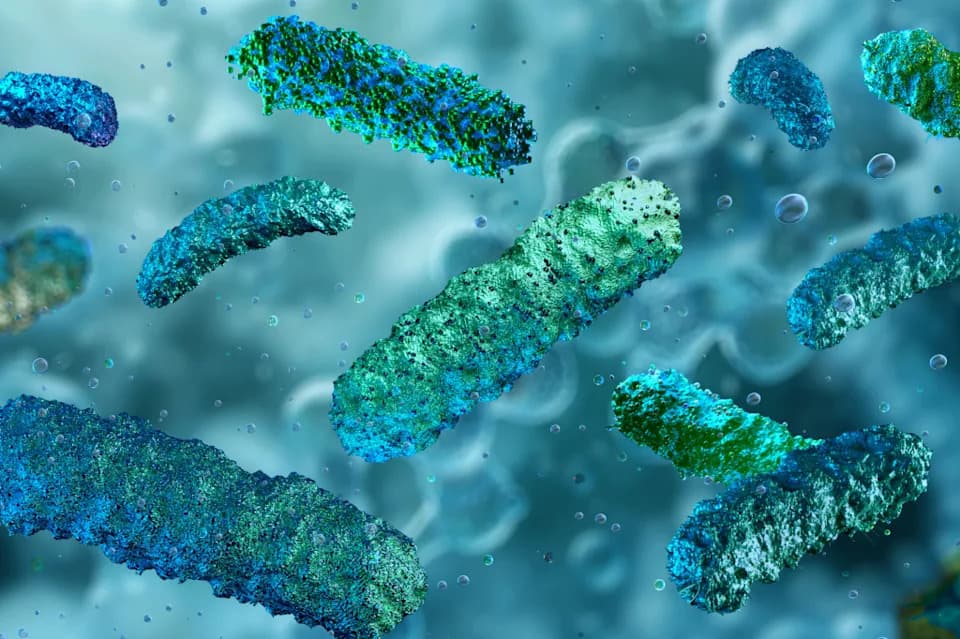
The study in Gut provides experimental and population-level evidence that certain gut bacteria convert primary bile acids into deoxycholic acid (DCA), which can promote abnormal colon cell proliferation. Experiments in genetically predisposed pigs, germ-free and conventional mice, and human colon organoids showed that DCA-producing microbes increase tumor formation, while preventing DCA production reduced it. Analysis of stool DNA (1,034 cancer cases vs. 1,108 controls) found genes for DCA production more often in people with colorectal cancer. The findings support dietary recommendations but do not yet prove treatments or preventive drugs.
Gut Bacteria Turn Bile Acids Into Tumor-Promoting DCA — A Plausible Link Between Western Diets and Colorectal Cancer
(puhimec/iStock/Getty Images Plus)
New research suggests a specific mechanism by which Western-style diets may raise colorectal cancer risk: gut bacteria transform liver-made bile acids into deoxycholic acid (DCA), a compound that can stimulate abnormal growth of colon cells.
What the Study Did
An international team led by German institutions combined experiments in genetically predisposed pigs, germ-free and conventional mice, and human colon organoids with an analysis of stool microbial DNA from multiple cohorts. The human dataset included 1,034 people with colorectal cancer and 1,108 without.
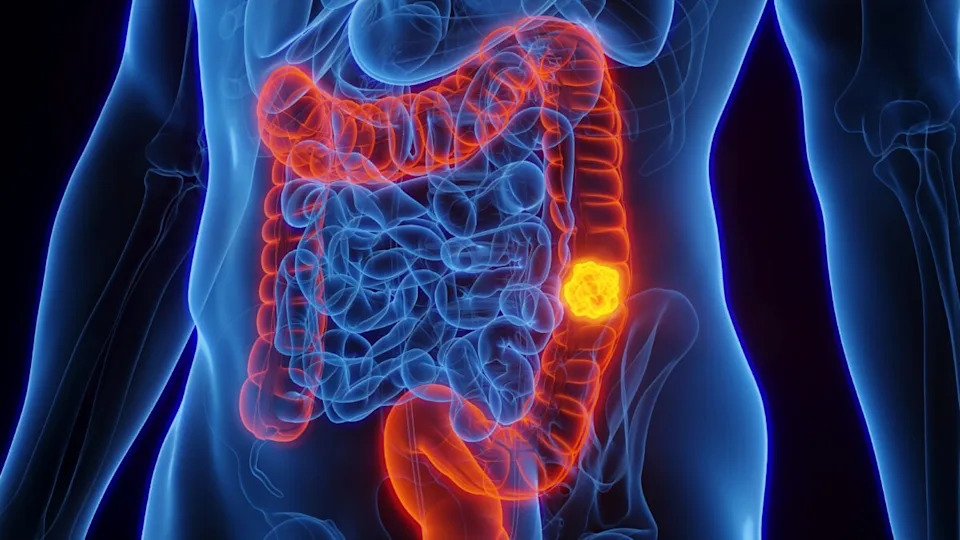
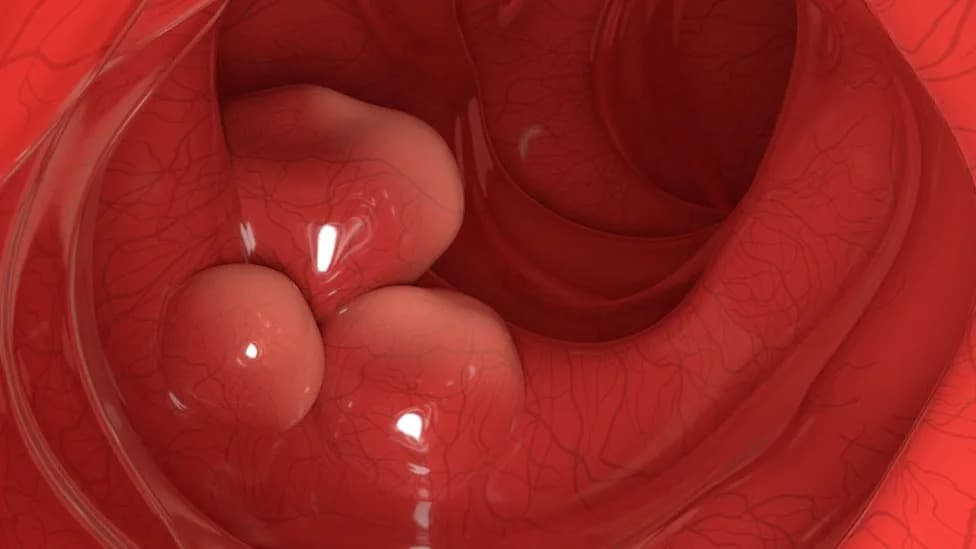
Colorectal cancer is thethird most commoncancer worldwide and is increasingly affecting young people. (Sebastian Kaulitzki/Science Photo Library/Getty Images
How DCA Is Made
Bile acids are produced in the liver from cholesterol and released into the small intestine to help digest fats. Most are reabsorbed, but some reach the colon where certain bacteria perform 7-alpha-dehydroxylation to convert primary bile acids into secondary bile acids such as DCA. Species implicated in this conversion include Clostridium scindens, Extibacter muris, and related taxa.
Main Experimental Findings
In genetically modified pigs prone to colon polyps, a Western-style, high-fat diet increased intestinal tumor pathology, raised fecal DCA levels, and drove epithelial cell proliferation. Treating some pigs with cholestyramine — a drug that binds bile acids in the gut — reduced excess epithelial proliferation, supporting the role of bile acids in the observed effect.
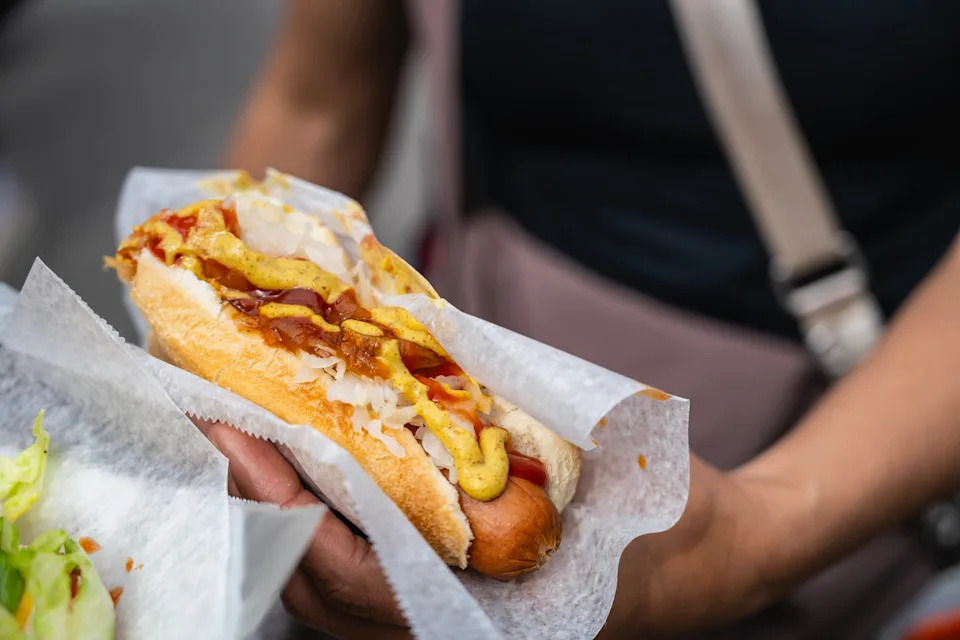
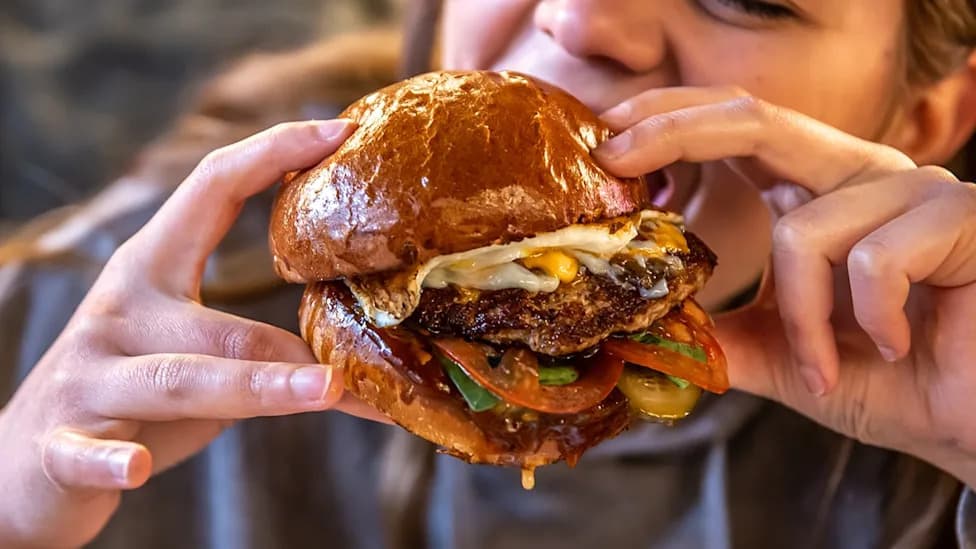
The foods we eat can affect our gut microbiome, with flow-on effects to our health. (Cavan Images/Henn Photography)
In germ-free mouse experiments, adding DCA-producing bacteria increased DCA production and the number of colon tumors across two distinct colorectal cancer models. In contrast, mice colonized with a genetically modified strain of Faecalicatena contorta that lacks the enzymatic ability to produce DCA developed fewer tumors. The modified strain also triggered less epithelial proliferation in human colon organoids.
Human Microbiome Evidence
Analysis of stool-derived microbial DNA showed that genes involved in DCA production — especially those associated with C. scindens and close relatives — were more frequent in people with colorectal cancer than in those without, indicating an association at the population level.

Subscribe to ScienceAlert's free fact-checked newsletter
Interpretation and Caveats
Taken together, the data support a plausible chain of events: a Western high-fat diet alters bile acid metabolism and favors DCA-producing gut bacteria; elevated DCA stimulates abnormal epithelial proliferation in the colon, creating conditions that could promote tumor development.
Important limitations: The causal experiments were performed in animal models predisposed to colorectal disease. The human component was observational and can show association but not direct causation. The study does not demonstrate that cholestyramine or other bile-acid–binding drugs prevent colorectal cancer in people — clinical trials would be necessary before any clinical recommendations.
Practical Takeaway
While more research is needed to translate these findings into treatments or screening tools, the results provide a biologically plausible explanation for the long-observed link between Western dietary patterns and colorectal cancer. The findings reinforce existing public-health guidance: diets richer in fiber, fruits, vegetables, and whole grains and lower in processed and red meats are associated with reduced colorectal cancer risk.
Study source: Published in the journal Gut.
Help us improve.