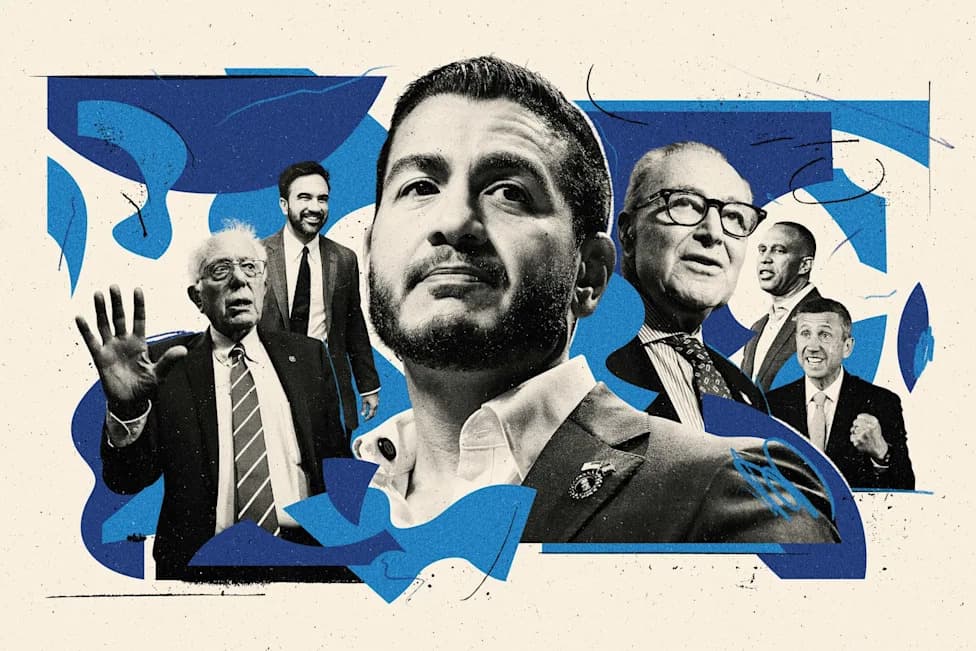
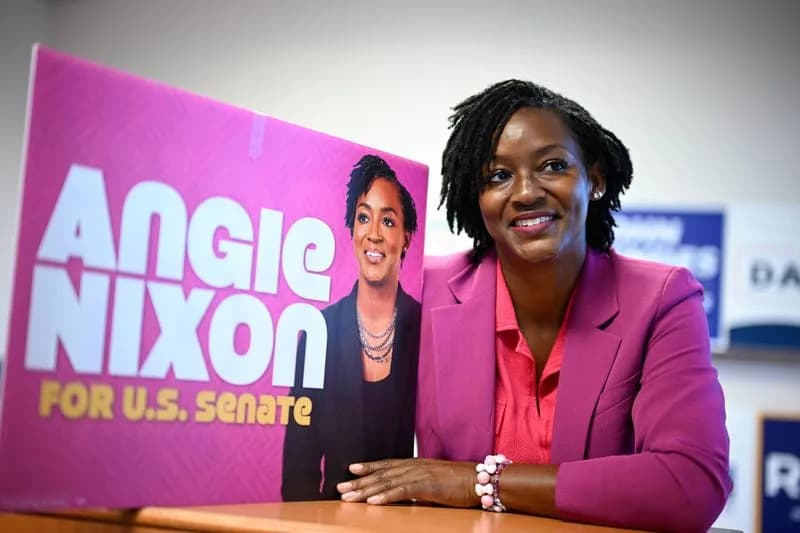
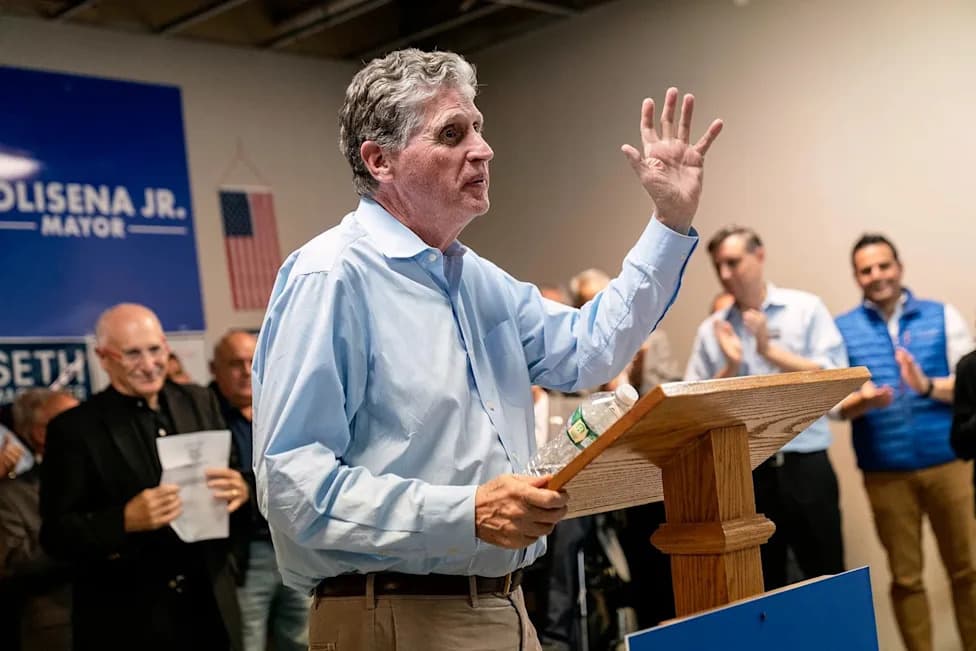
Tuesday's primaries delivered mixed outcomes: some progressive insurgents won while others fell short, and Republican efforts to alter ballot and judicial rules in Missouri and Kansas were rejected. Will Lawrence won Michigan's 7th decisively, but several high-profile progressive challengers underperformed relative to late polls. Record turnout, mail-in ballots and heavy PAC spending shaped key races and surprised many forecasters.
An Unsettled Primary Night: Mixed Results for Progressives and Establishment in Michigan and Beyond
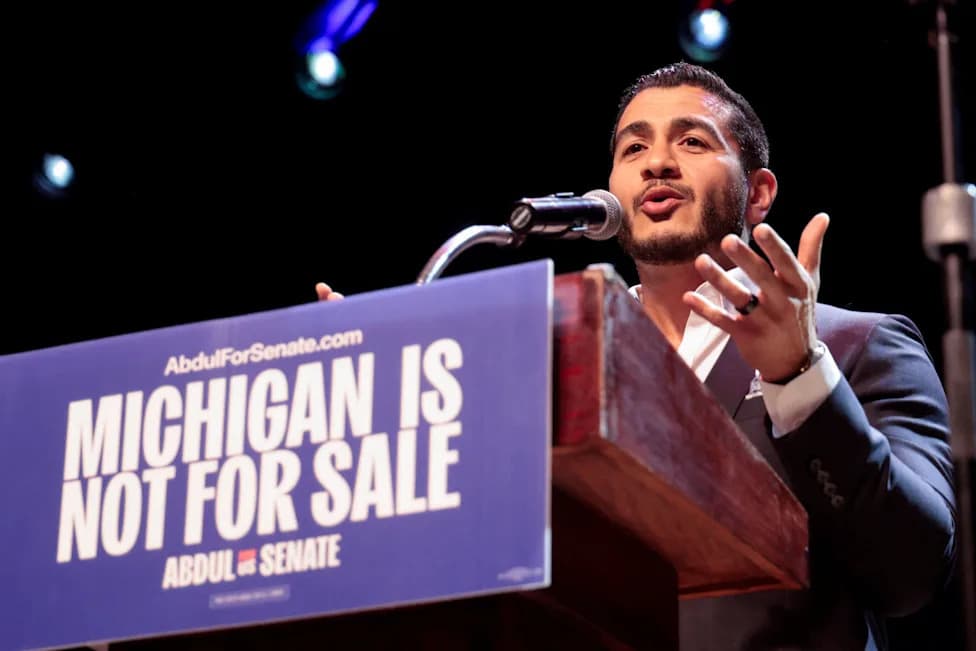
An inconclusive Tuesday, in Michigan and beyond
Tuesday's primaries produced no single overriding storyline: establishment Democrats failed to push some favored candidates to victory, insurgent progressives scored important wins but also suffered notable losses, and Republican efforts to change ballot and judicial rules in two red states were decisively rejected by voters.
What Happened
Sunrise Movement co-founder Will Lawrence won Michigan's 7th Congressional District convincingly, benefiting from a split among two center-left opponents. Yet other progressive campaigns that had looked strong in the closing weeks fell short or only narrowly trailed. In Michigan, state Rep. Donavan McKinney mounted the most serious challenge Shri Thanedar has faced across three House bids and led by single digits in late counts. Abdul El-Sayed—who entered the final stretch buoyed by public and private polls showing a double-digit lead over Rep. Haley Stevens—finished far closer than polls suggested.
In Missouri, former Rep. Cori Bush failed to make a competitive bid to unseat Rep. Wesley Bell, who had earlier prevailed with outside support and did not need comparable resources this cycle. In Washington state, a progressive challenger rallied local activists upset with Rep. Marie Gluesenkamp Perez's votes with Republicans but posed little threat to the incumbent.
Money, Messaging and Turnout
Michigan presented two competing narratives: years of grassroots organizing that produced clear wins in some districts, and an unprecedented wave of PAC spending that largely aimed to blunt progressive insurgents. That outside money was scarce in Colorado and arrived late in New York, altering dynamics across states.
Polling and perception also played a major role. Strategic leaks, scoops, and social posts reached influencers and betting markets, shaping expectations. A since-deleted post by a VoteHub founder that cited a Stevens pollster claiming a 14-point deficit fed a narrative that ultimately proved inaccurate. Public and private polls had shown El-Sayed with a double-digit lead over Stevens, a margin that did not materialize as turnout—especially mail-in ballots and rural Democratic votes—favored Stevens.
"Tomorrow we begin to mend fences. If your instinct is to be like, 'I told you' — no!" — Abdul El-Sayed, in Detroit after returns started coming in.
Statewide Ballot Measures
Republican-backed measures in Missouri and Kansas failed. Missouri voters rejected a proposal to make it harder to qualify constitutional amendments for the ballot, an effort that would have limited citizen-driven measures. Kansas voters rejected a push to put state Supreme Court elections on the ballot—an attempt to shift judicial selection away from gubernatorial appointments. Both measures went down despite strong Republican turnout, reflecting voter skepticism about the proposed changes and concerns over how such reforms could alter long-term state governance.
Why It Matters
These mixed results show that the progressive movement remains potent but not uniformly dominant. With enough time, targeted messaging, and significant PAC resources, party centrists can persuade late-deciding primary voters to prioritize questions of electability and risk. That lesson will be watched closely by Democrats in upcoming primaries in states such as Wisconsin and Minnesota.
Overall, Tuesday reinforced that money, turnout patterns (including mail-in voting), local issues (like data centers in mid-Michigan), and late endorsements all matter—and can shift outcomes in ways that polls and pre-election narratives do not fully capture.
Help us improve.