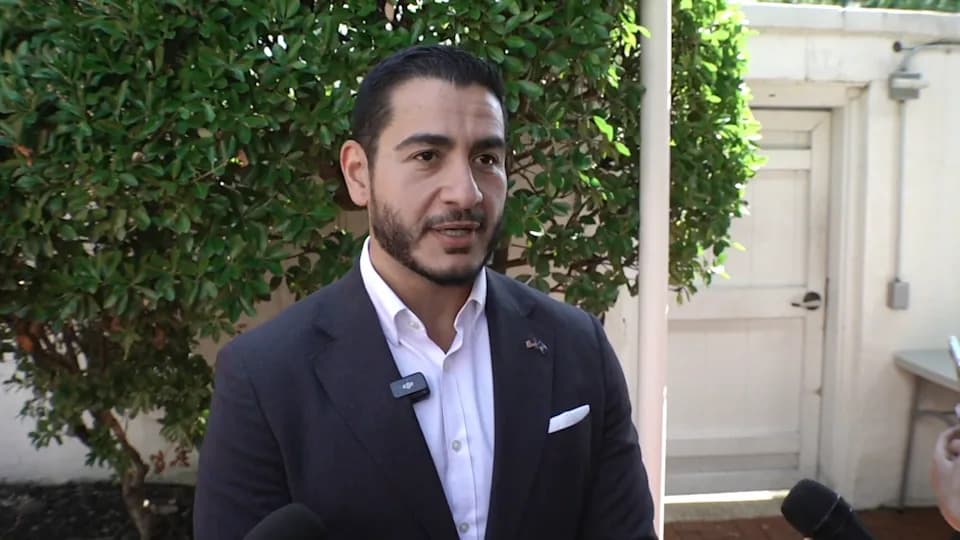
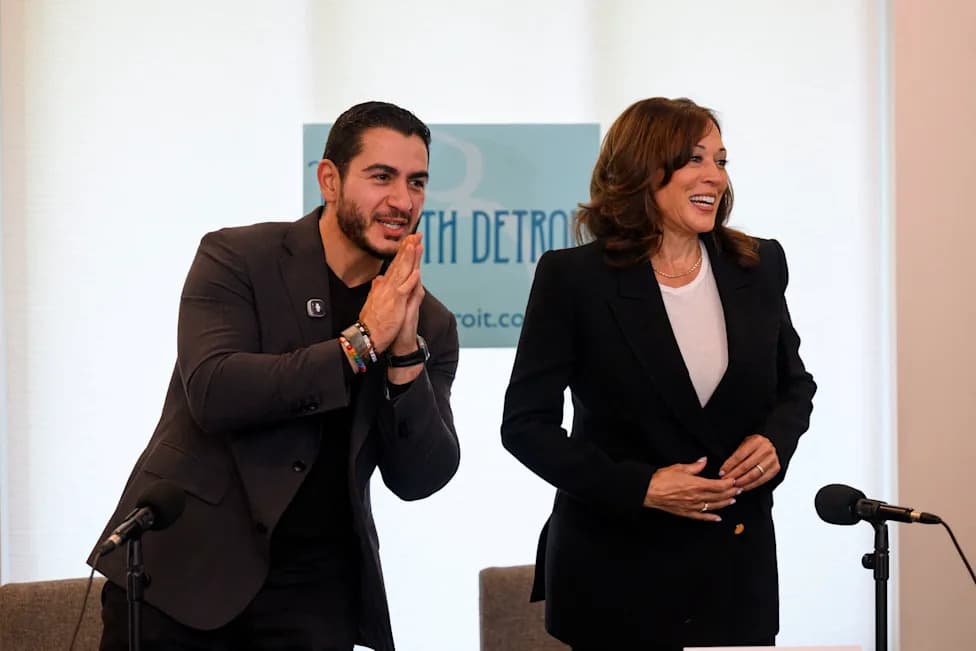
The Michigan Democratic Senate primary became a high‑stakes showdown between centrist Haley Stevens and progressive Abdul El‑Sayed. Stevens ran as the pragmatic, electable choice backed by establishment figures and major outside spending, while El‑Sayed campaigned on Medicare For All, taxing billionaires and dismantling ICE. The race—set against cost‑of‑living pressures and debate over U.S. policy on Israel—could shape control of the U.S. Senate ahead of November.
Michigan Senate Primary Tests Democratic Party’s Future as Stevens Faces El‑Sayed

[Reuters]
Michigan Democrats headed to the polls in a bruising Senate primary that has come to symbolize a wider struggle over the party’s direction. The contest pits centrist Representative Haley Stevens against progressive former public health official Abdul El‑Sayed, with the winner set to face Trump ally Mike Rogers in the November general election.
The open seat is widely viewed as essential for Democrats hoping to regain control of the U.S. Senate. Michigan—long a swing state that voted for Joe Biden in 2020 and for Donald Trump in 2024—remains a bellwether in national politics. State polling places opened at 07:00 EDT (12:00 BST) and closed at 20:00 EDT on primary day.

Young supporters in Detroit hold a sign in support of El-Sayed [Getty Images]
Two Contrasting Campaigns
Haley Stevens, a four‑term congresswoman, has emphasized experience and electability. Backed by establishment figures including Governor Gretchen Whitmer and outgoing Senator Gary Peters, Stevens has campaigned on protecting Michigan manufacturing jobs, lowering costs for families, and presenting herself as the pragmatic choice to defeat Mike Rogers in November.
Abdul El‑Sayed, 41, the son of Egyptian immigrants, has run as an insurgent voice for working‑class and younger voters. Endorsed by progressive leaders such as Senator Bernie Sanders and Representative Alexandria Ocasio‑Cortez, he champions policies including Medicare For All, higher taxes on billionaires, and dismantling ICE. If elected, El‑Sayed would be the first Muslim U.S. senator.

Stevens joins outgoing Senator Gary Peters and another supporter for a selfie while campaigning in Madison Heights [Getty Images]
Policy Fault Lines
Key issues in the race include healthcare affordability, the cost of living, and the future of manufacturing in Michigan. The Israel‑Gaza war has added a potent international element: El‑Sayed has criticized U.S. policy toward Israel and called Israel’s actions in Gaza a genocide, a charge Israel rejects. Stevens is staunchly pro‑Israel in general policy and has benefited from significant pro‑Israel outside spending; the American Israel Public Affairs Committee (AIPAC) has spent nearly $30 million supporting her candidacy.
El‑Sayed rejects the socialist label and is not a member of the Democratic Socialists of America, though he has adopted organizing and social‑media tactics from members of the party’s progressive wing. Stevens, meanwhile, has been the subject of online attention for her Midwestern accent, which she has defended as emblematic of Michigan culture.

An Abraham Lincoln mural outside a liquor store in Oak Park, Michigan [Getty Images]
Election Oversight
As polls opened, the U.S. Department of Justice's civil rights division announced it would deploy monitors to several Michigan jurisdictions, including Detroit, Hamtramck, Lansing and East Lansing, to observe voting and ensure compliance with federal law. The department said the monitoring was part of its effort to help ensure free and fair elections; local election officials and campaign monitors were also present at many polling places.
The primary’s outcome could influence the national Democratic strategy heading into the midterms: a Stevens victory would be seen as a win for the party’s center and electability argument, while an El‑Sayed victory would signal continued momentum for the party’s progressive grassroots wing.
Why it matters: The winner will compete in a high‑stakes general election for a Senate seat Democrats view as crucial to their hopes of retaking the chamber and shaping the national agenda.
Help us improve.