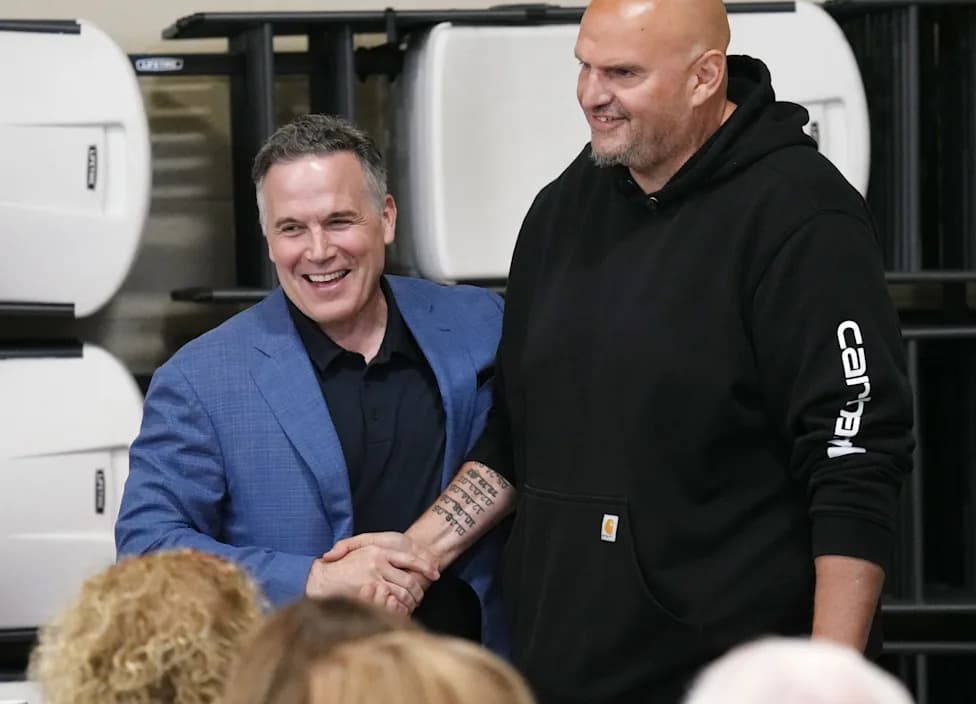
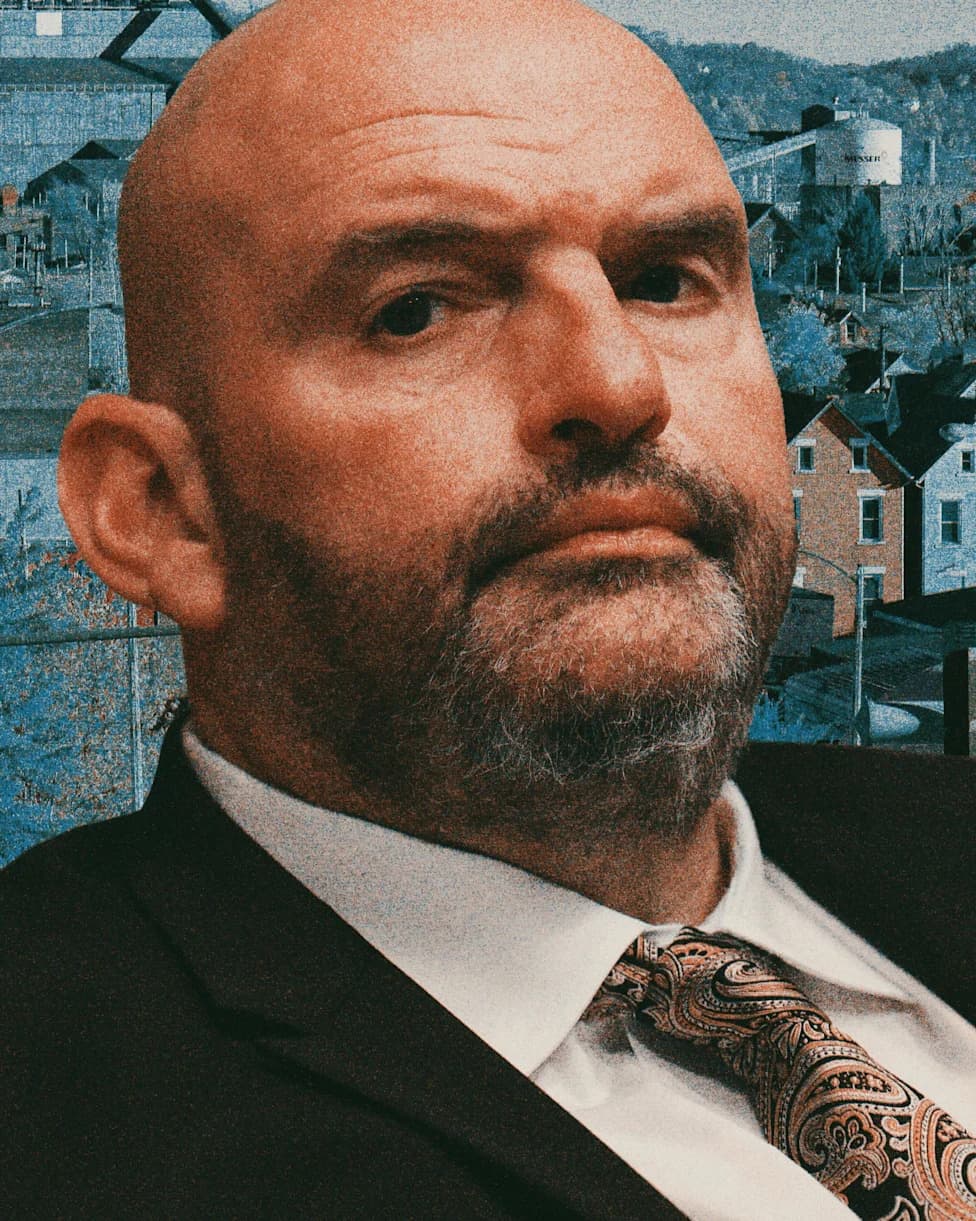
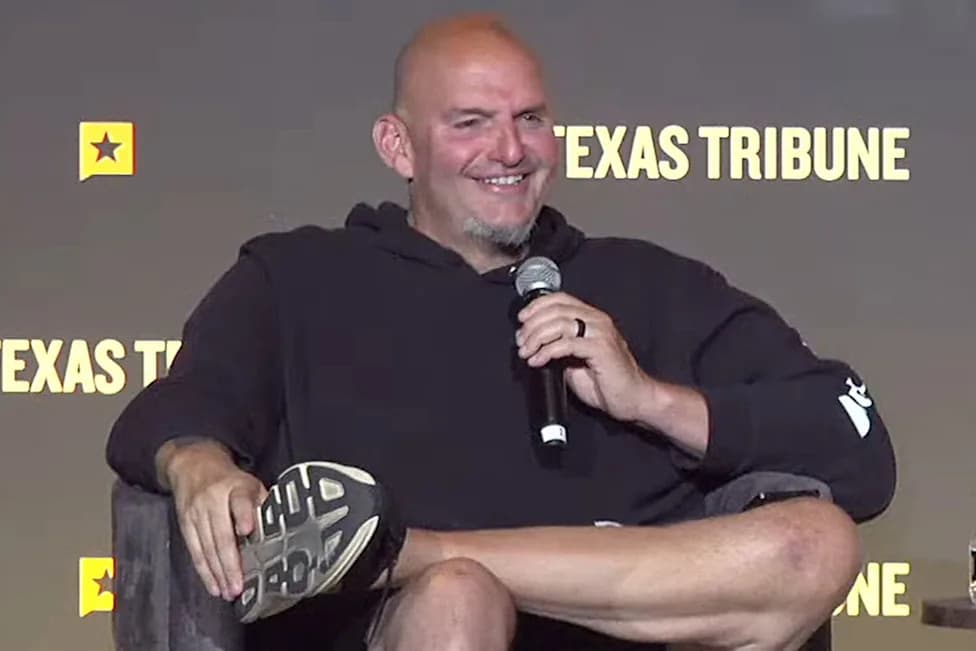
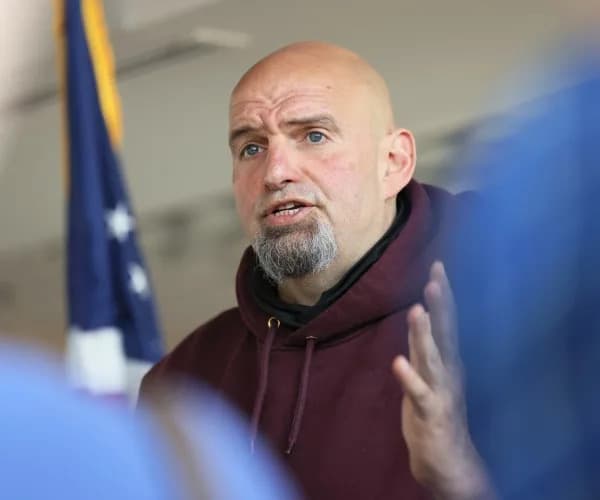
Jon Stewart pressed Sen. John Fetterman in a teaser for The Weekly Show, challenging Fetterman's claim that support for Israel is his political "red line." Stewart asked if Fetterman would exclude fellow Democrats who agree with him on most domestic policies but differ on Israel, naming Abdul El‑Sayed, AOC, and Bernie Sanders. Fetterman defended his stance and suggested faction members should run under their own banners; Stewart warned that excluding debate over Israel risks weakening a two‑party democratic process.
Jon Stewart Challenges Sen. John Fetterman: "Israel Is Not Our Country" — A Spotlight On Democratic Tensions
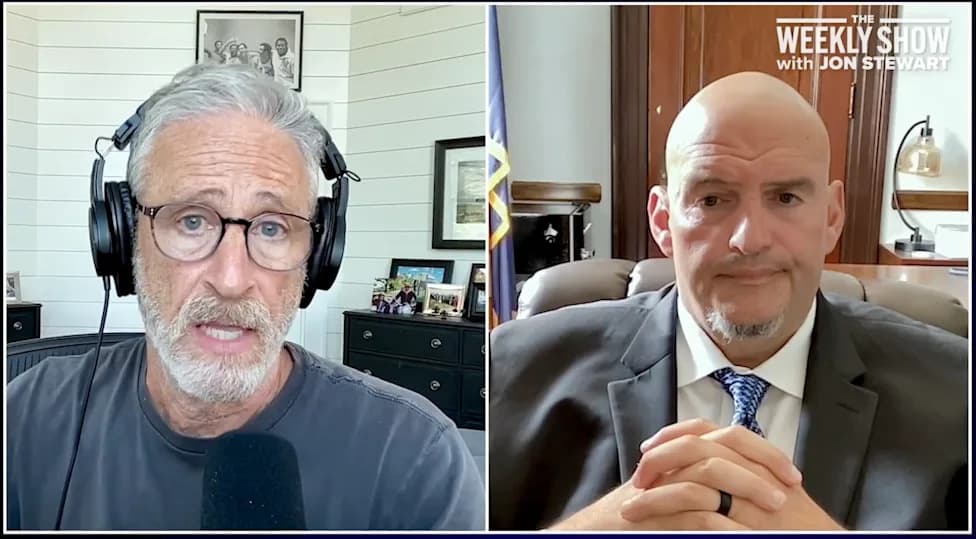
Screenshot via @weeklyshowpod on X
Comedian and commentator Jon Stewart confronted Sen. John Fetterman (D-PA) in a preview clip for an upcoming episode of The Daily Show spinoff, The Weekly Show, released Tuesday, bluntly telling the Pennsylvania senator, "Israel is not our country." The exchange underscores growing tensions within the Democratic Party over U.S. policy toward Israel and the role that stance plays in intra-party alliances.
Stewart's comments follow Fetterman's recent warnings that he might leave the Democratic Party if its support for Israel continues to wane. In mid-July on Fox News, Fetterman called support for Israel his "red line," saying, "Look at the people who are winning these primaries right now. They are not just, 'I'm just pro-Palestinian. I'm deeply anti, anti-Israel.'"
In the teaser, Stewart pressed Fetterman about whether that position would lead him to reject fellow Democrats who otherwise align with him on most policies. "You could agree with them 90%, but Israel is the red line?" he asked.
Fetterman: "Absolutely. I can't ever turn my back to Israel after where it's at."
Stewart responded, prefacing his remark with an attempt at deference: "I mean no disrespect on this," before stressing his central point: "But that is not our country. You're saying that these candidates may have great ideas for our economy. They may want to do the exact same thing you want to do, in terms of getting money out of politics. They may want to increase the social safety net. They may want to change the balance of power from capital back to labor, but if they don't agree with you on Israel, you don't want them in your party?"
When Fetterman asked Stewart to name names, Stewart listed prominent progressives — Abdul El-Sayed, Rep. Alexandria Ocasio-Cortez (AOC), and Sen. Bernie Sanders — and suggested that Fetterman likely agrees with many of their economic views. Fetterman countered that activists who are members of organized factions, such as the Democratic Socialists of America (DSA), should run under their own banners rather than fracturing the party.
Stewart pushed back, arguing that the U.S. two-party system requires internal debate and compromise: "It's just an organization. We have a two-party system. It's like the Freedom Caucus in the Republican Party… You're literally saying, 'We can all have discussions, except when it comes to Israel,' which is not America. It seems like a weird line to draw."
The exchange crystallizes an ongoing debate within the Democratic coalition: how to balance foreign policy commitments with domestic priorities and whether disagreements on a single, high-profile foreign policy issue should determine political alliances within a diverse party.
Help us improve.