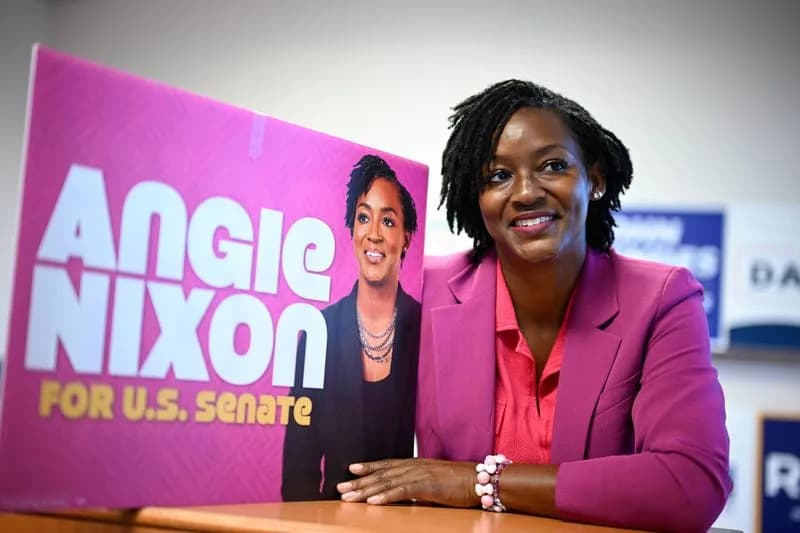
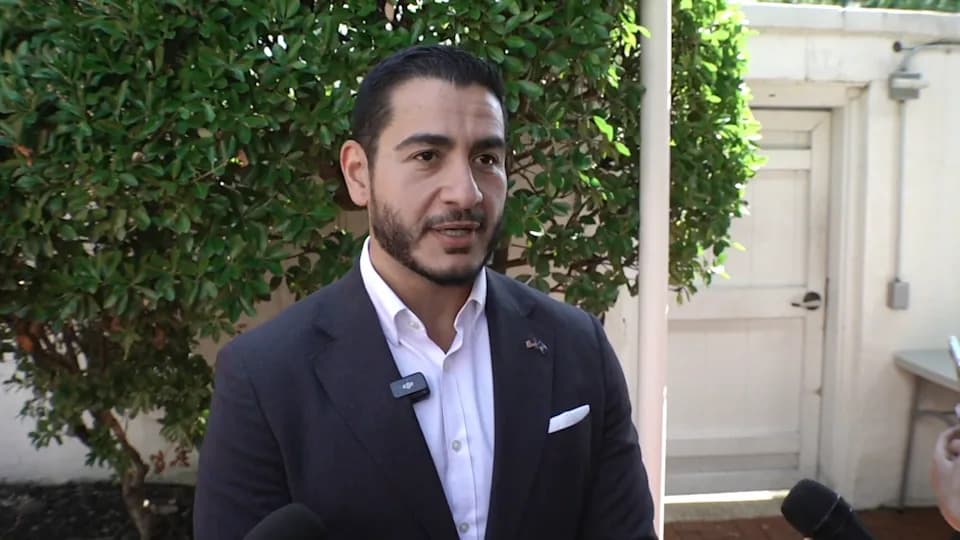
Polling closed in Kansas, Missouri and much of Michigan as primary voters decided several consequential contests. Michigan’s Democratic Senate primary between progressive Abdul El-Sayed and establishment-backed Haley Stevens is the cycle’s most watched intraparty fight, drawing more than $80 million. The outcome could reshape the party’s direction and affect November’s battlegrounds. Similar left-versus-establishment battles are playing out in key House districts, while Trump-backed GOP primaries test his influence in Michigan and Kansas.
Michigan Senate Showdown Puts Progressive Insurgents Against Democratic Establishment As Midwestern Primaries Close
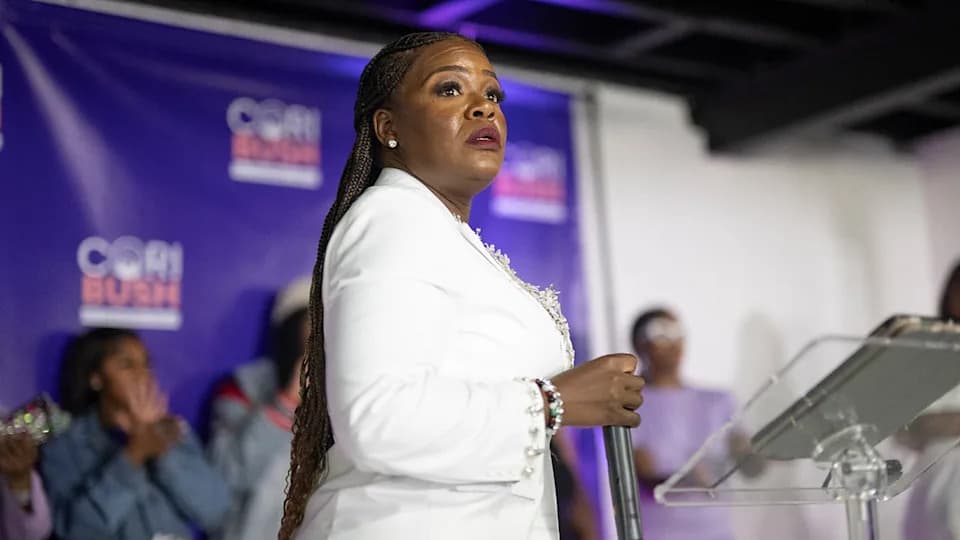
Former Rep. Cori Bush is mounting a comeback bid to retake her seat in Missouri's 1st Congressional District.
Polling has closed in Kansas, Missouri and much of Michigan as voters decided a string of consequential primary contests. Attention centered on Michigan, where a high-profile Democratic Senate primary between progressive Abdul El-Sayed and establishment-backed Rep. Haley Stevens has become a focal point in a broader intraparty struggle that could influence November’s battlegrounds.
Michigan Senate Primary: High Stakes
The race to replace retiring Sen. Gary Peters has attracted national attention and record spending. More than $80 million has been poured into the contest—making it the most expensive Democratic Senate nomination fight to date—with much of that funding coming from outside groups such as the United Democracy Project, a PAC aligned with the American Israel Public Affairs Committee.
El-Sayed, an epidemiologist and former Wayne County health department director, has run as a progressive insurgent. He emphasizes proposals like Medicare-for-all, opposes Immigration and Customs Enforcement (ICE), and has been a vocal critic of Israel’s conduct in Gaza—remarks that have drawn controversy. El-Sayed has also highlighted his refusal to accept PAC money.
Stevens, who flipped a Republican-held House district in 2018, is supported by party leaders including Sen. Chuck Schumer, Gov. Gretchen Whitmer and Sen. Gary Peters. Establishment backers argue Stevens is the more electable choice for the general election.
“I am the best Democrat to go forward. I am the only person in this race who has won tough primaries multiple times,” Stevens told reporters, stressing her record of competitive wins.
General Election Outlook
Whichever Democrat wins the primary is expected to face former Rep. Mike Rogers, the likely GOP nominee who has said he is prepared to contest either result. The outcome in Michigan is widely viewed as pivotal: progressives say a win would reshape the party’s direction, while moderates warn it could endanger a must-hold seat in November.
Broader Intraparty Battles and GOP Tests
The progressive-versus-establishment dynamic is playing out in other Michigan House primaries. In the 7th District, Sunrise Movement co-founder William Lawrence is mounting a progressive challenge; in the 13th District, state Rep. Donovan McKinney is running against Rep. Shri Thanedar with support from national progressives.
Missouri’s St. Louis-based 1st District features a rematch between Rep. Wesley Bell and former Rep. Cori Bush, another sign of the ideological tensions within the Democratic coalition.
On the Republican side, former President Donald Trump’s influence is being tested in gubernatorial primaries. In Michigan, Trump has endorsed Rep. John James; in Kansas, he backs state Senate President Ty Masterson. These endorsements will be measured for their continued sway over GOP voters heading into the midterms.
Other contests of note include Washington State’s top-two primary in the 3rd Congressional District and competitive primaries in Virginia that could affect control of the U.S. House.
Why It Matters
Tuesday’s results will help define whether the Democratic Party moves further left in key swing states or coalesces around establishment candidates it views as more broadly electable. The outcomes also test GOP cohesion under Trump’s endorsements and will shape both parties’ strategies as they head toward November’s midterm elections.
Help us improve.