The Department of Homeland Security has reportedly conducted wide social-media surveillance to identify critics of immigration agents, issuing hundreds of subpoenas and in some cases asking users to sign letters warning their posts "may" be illegal. Platforms like Reddit have pushed back against broad data requests. Civil-liberties advocates warn such tactics risk chilling protected political speech, while DHS says it is focused on unlawful threats and protecting personnel. The reporting cites high-profile incidents and legal cases that illustrate the dispute.
Report: DHS Scours Social Media for Critics, Issuing Subpoenas and Using AI
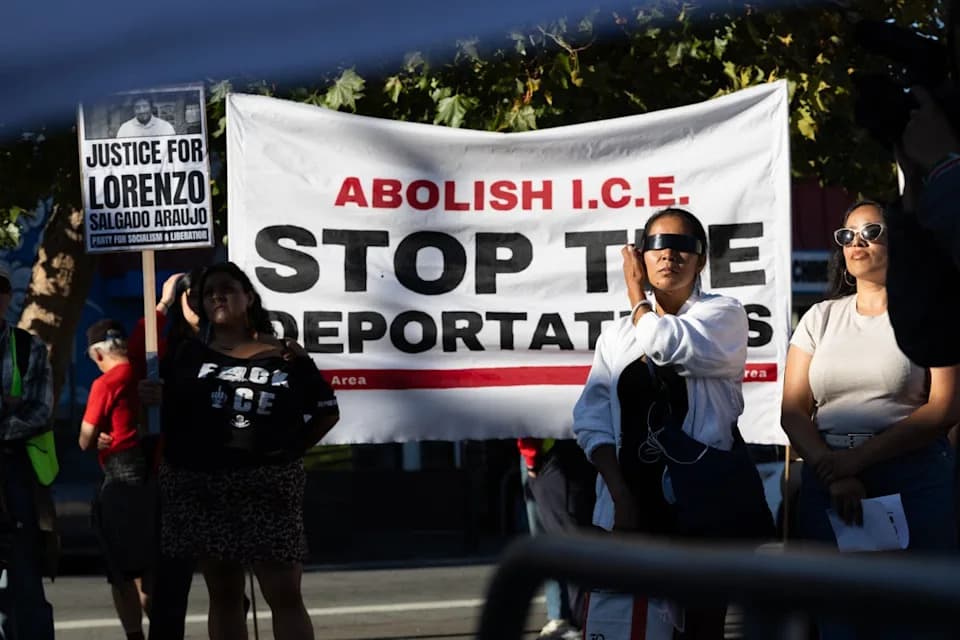
The Department of Homeland Security is allegedly scouring social media hunting for critics and posters making threats against ICE agents (Getty)
The Department of Homeland Security (DHS) has reportedly run a broad social-media surveillance effort aimed at identifying people who criticize immigration agents or post threats online, according to reporting by The Wall Street Journal and follow-up coverage by The Independent.
Scope of the Effort: The WSJ reports that DHS issued hundreds of subpoenas to social media platforms seeking account-holder information and, in some cases, asked individuals to sign letters warning that their online posts "may" constitute criminal conduct. Requests tied to these investigations have allegedly sought sensitive personal details, including legal name, home address, date of birth, employer and Social Security number.
Platforms Push Back: Some social networks resisted. The Journal says companies such as Reddit rejected subpoenas they considered overly broad, prompting DHS to withdraw certain requests.
Legal Context: Legal experts emphasize that the First Amendment protects broad political criticism of government actors, including heated and hyperbolic speech directed at federal agents. At the same time, narrowly targeted, credible threats of violence — so-called "true threats" — are not protected. Critics argue DHS risks conflating protected speech with illegal conduct.
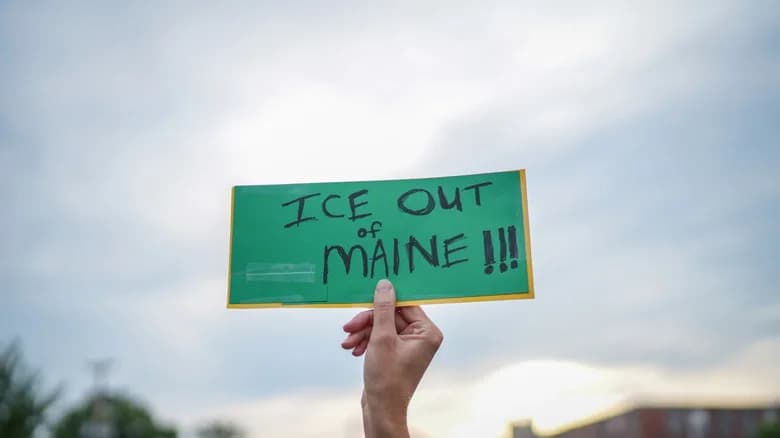
Reported Incidents: Examples cited in reporting include an attempt during the Trump administration to unmask a Reddit user who posted calls to "abolish" Immigration and Customs Enforcement and reposted a Minnesota ICE agent's phone number obtained from public records. In another reported case, federal agents allegedly went to the workplace of New York poll worker Paigelynne Gonyea after she posted about Jonathan Ross, the ICE agent involved in the fatal shooting of protester Renee Good in Minnesota. Gonyea told the WSJ she was asked to sign a letter saying her posts could be unlawful; she says she only urged that Ross be indicted, while officials contend she shared an agent's home address.
Technology and Surveillance Tools: Reporting has also raised concerns about DHS use of advanced technologies. The Independent described agents using Meta AI sunglasses at protests, stoking fear these devices could feed into a wider surveillance dragnet. Separately, the administration reportedly used AI tools to scan social media for people it accused of supporting Hamas and sought to revoke visas in some cases.
High-Profile Legal Cases: The story highlights several legal battles tied to these practices. Last year, immigration agents arrested Rümeysa Öztürk, a Turkish graduate student in Massachusetts, after she wrote an opinion piece about Palestine; she was detained in Louisiana for weeks before a judge ordered her release, later settling with the government and leaving the U.S. Another ongoing case involves Mahmoud Khalil, a U.S. permanent resident and Palestine activist, which has reached the Supreme Court. Khalil alleges authorities acted on tips from pro-Israel online vigilante groups to identify and detain him, potentially violating the Reconstruction-era Ku Klux Klan Act.
Officials' Response: DHS has said it monitors for illegal threats against personnel but denies maintaining a national "terror" watchlist targeting critics. The White House has defended the measures as lawful efforts to protect the public and safeguard the integrity of the immigration system.
Concerns From Civil Liberties Advocates: Civil-rights groups warn that sweeping surveillance and broad subpoenas risk chilling lawful political speech, mislabeling protest activity (including filming agents) as illegal "doxxing," and treating critics as domestic security risks. A September national security memo on domestic terrorism enforcement that lists "anti-Americanism" and criticism of "law enforcement and border control" among potential indicators of concern has intensified those warnings.
Bottom line: Reported DHS tactics — from mass subpoenas to AI-assisted monitoring — have drawn scrutiny for how they balance officer safety and immigration enforcement with constitutionally protected speech and privacy.
Help us improve.