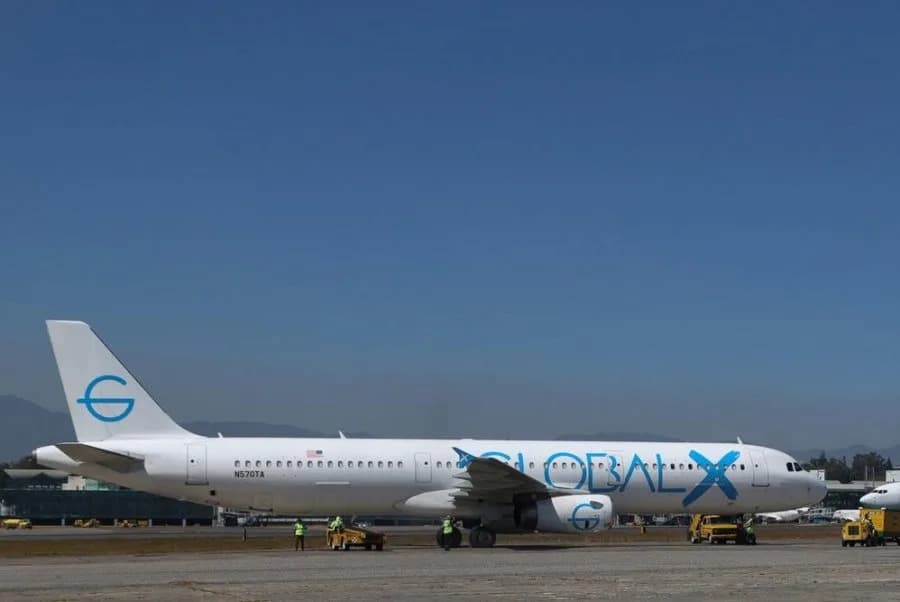
The United States resumed deportations to Venezuela with a repatriation flight carrying 147 Venezuelans, the first removals since the late‑June earthquakes that killed thousands and devastated large areas. The previous pre‑quake flight, which carried 146 people, arrived hours before the tremors; many passengers were later reported among the victims. Changes in U.S. policy — including the end of Temporary Protected Status for roughly 300,000 Venezuelans — and a migration agreement between Caracas and Washington have driven removals even as Venezuela faces a multi‑year reconstruction with damages estimated at about 6% of GDP.
U.S. Resumes Deportations to Venezuela — First Repatriation Flight Since Deadly June Earthquakes
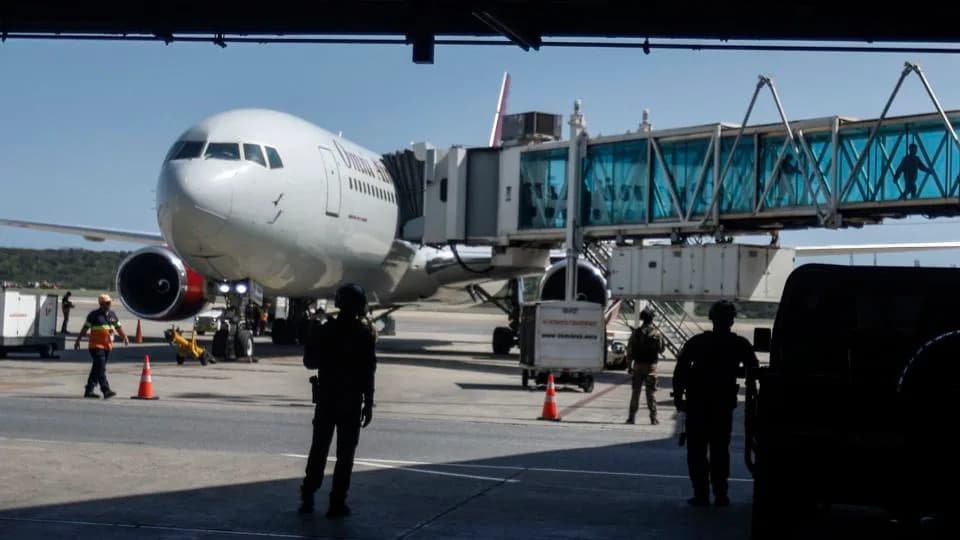
Venezuelan migrants repatriated from the US walk upon arrival at Simon Bolivar International Airport in Maiquetia, Venezuela, on June 17, 2025. - Pedro Mattey/AFP/Getty Images
The United States returned 147 Venezuelan nationals on a repatriation flight on Monday, the first deportation operation since the twin, magnitude-7+ earthquakes that struck Venezuela in late June and killed thousands of people.
The flight departed from Miami and landed at General José Antonio Anzoátegui International Airport in Barcelona, Anzoátegui state, according to reports. It marks a resumption of removals that were paused after the disasters devastated large areas of the country.
Background and Human Cost
Prior to the June quakes, the U.S. had been carrying out deportation flights to Venezuela at scale. The last removal flight before the disaster carried 146 people and arrived just hours before the earthquakes; many of those passengers were later reported among the casualties when a hotel where they had been housed collapsed.
Official Statements
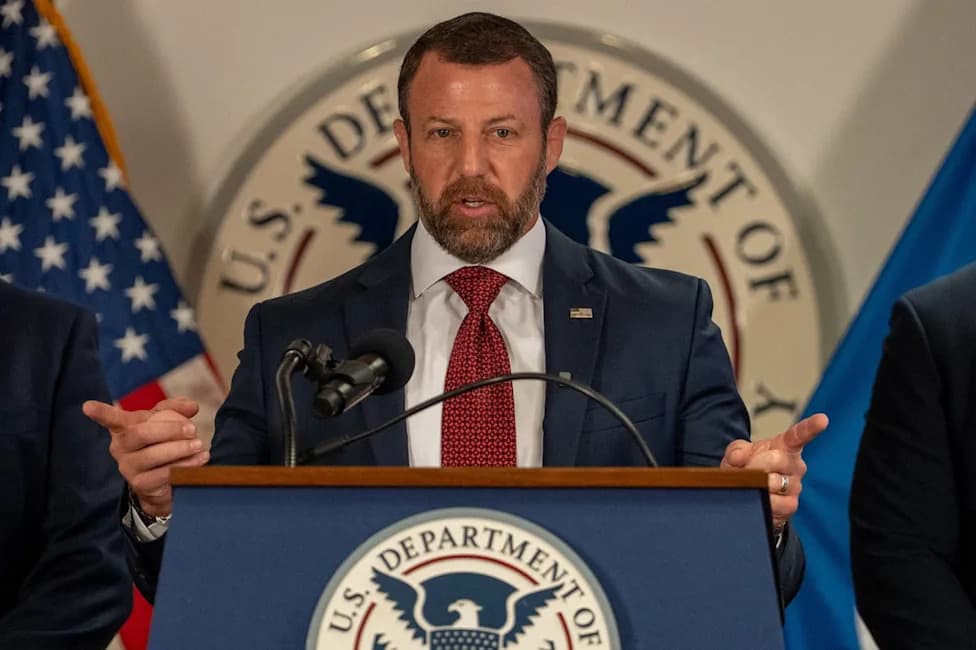
U.S. Department of Homeland Security: "ICE successfully conducted a removal flight." A DHS spokesperson added that, for operational security reasons, future removal operations would not be confirmed in advance.
Venezuelan Repatriation Authorities: Mervin Maldonado, who leads the Venezuelan repatriation program, posted on social media welcoming the arrivals and saying they are "returning home, to reunite with their families, to continue their education, to be productive, and to contribute to national development."
Policy Context
Policy shifts in recent months have influenced migration flows and removals. In October, the U.S. Supreme Court allowed the termination of Temporary Protected Status (TPS) for roughly 300,000 Venezuelan migrants who had been present in the United States under humanitarian protection. After that decision, removals to Venezuela resumed at scale, with thousands returned in the months that followed.
Venezuelan authorities report that Monday's flight was the 165th repatriation since early 2025, when Caracas and Washington resumed deportation flights as part of a migration agreement. Independent trackers such as ICE Flight Monitor reported that 1,746 Venezuelans were deported in May, before the quakes paused operations.
Recovery and Diplomacy
Venezuela is now facing a multi-year reconstruction effort after the twin quakes devastated entire regions. The United Nations Development Programme estimates the economic damage at roughly 6% of the country’s GDP. At the same time, Caracas and Washington have been recalibrating diplomatic and migration arrangements, and Venezuelan authorities have signaled openness to renewed engagement, including economic and humanitarian cooperation.
This resumption of deportations underscores the complex intersection of migration policy, disaster recovery and diplomatic shifts between the two countries. Observers say the humanitarian and logistical challenges of returning migrants to a country still recovering from widespread damage will be an important issue to watch.
Help us improve.