A review of 411 studies since 1974 shows industrial river sand mining now outpaces natural replenishment worldwide, threatening ecosystems, infrastructure and freshwater supplies. The Mekong Delta is a stark example: 366 million cubic meters were removed from 2015–2022, lowering the riverbed by 0.48 m and contributing to major bank collapse and saline intrusion; experts warn usable sand could be gone by 2035. The authors call for sediment-budget based limits, stronger monitoring and enforcement, seasonal extraction bans and demand-management measures such as recycling and alternative aggregates.
The World Is Running Out of River Sand — A Global Crisis for Construction and Rivers
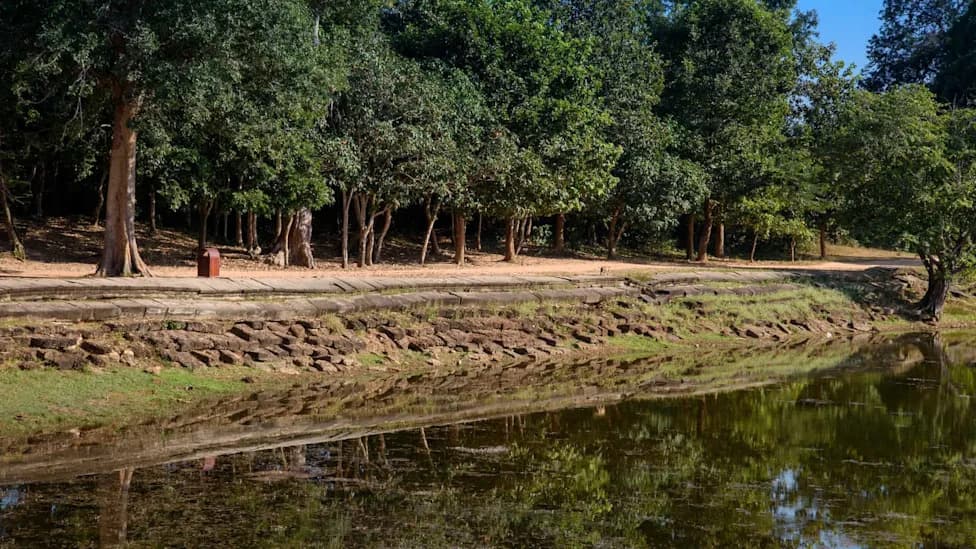
(Aperture X/Moment/Getty Images)
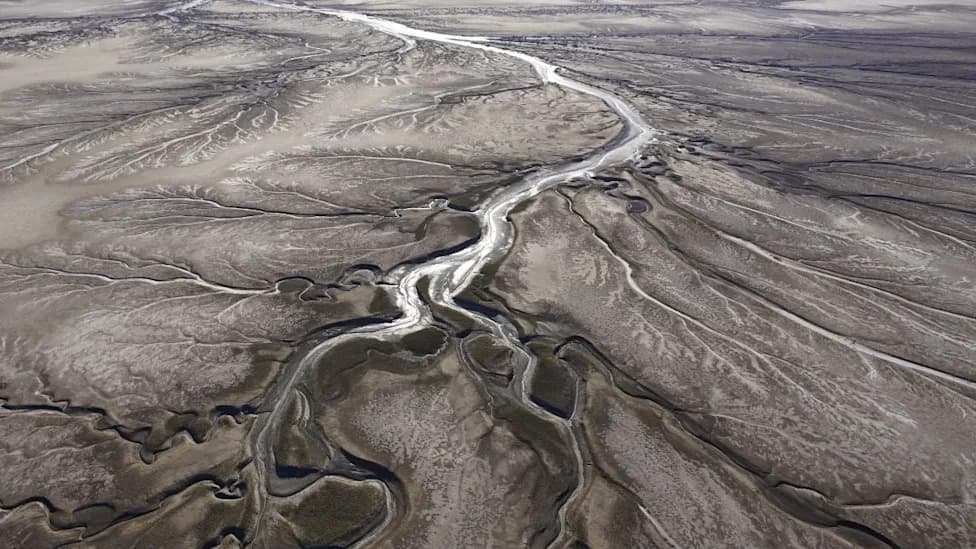
Industrial sand mining from rivers is now extracting sediment far faster than natural systems can replace it, creating shortages of river sand and severe environmental damage worldwide. A comprehensive review of 411 studies conducted since 1974, published in Reviews of Geophysics, finds global demand for river sand and gravel used in concrete and other construction materials is unsustainable.
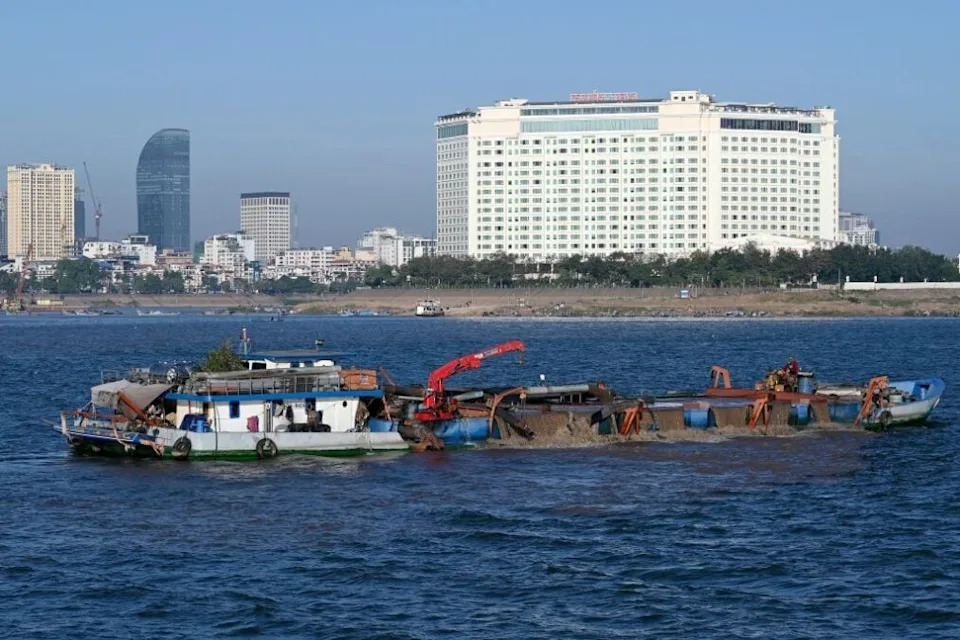
A dredging boat pumps sand on the Mekong River in Phnom Penh, Cambodia. (Tang Chhin Sothy/AFP/Getty Images)
Mekong Delta: A Clear Example
The Mekong Delta — flowing through Laos and Cambodia before spilling across southern Vietnam — vividly illustrates the problem. Modern dredging can remove enormous volumes: a crane-equipped barge can lift roughly 300 cubic meters of sand (about 79,250 US gallons) in three hours. In Vietnam's Mekong, extraction rates are about 11.8 times the river's natural sediment replacement (estimated at ~6.18 megatons per year).
YouTube Thumbnail
Between 2015 and 2022, approximately 366 million cubic meters of sand were removed from that stretch of the river, producing a mean riverbed incision of 0.48 meters over the period (≈0.053 m/yr). Although a half-meter change may not appear dramatic at the surface, it can profoundly alter flow patterns, harm aquatic ecosystems, destabilize banks and infrastructure, and intensify saline intrusion upstream.
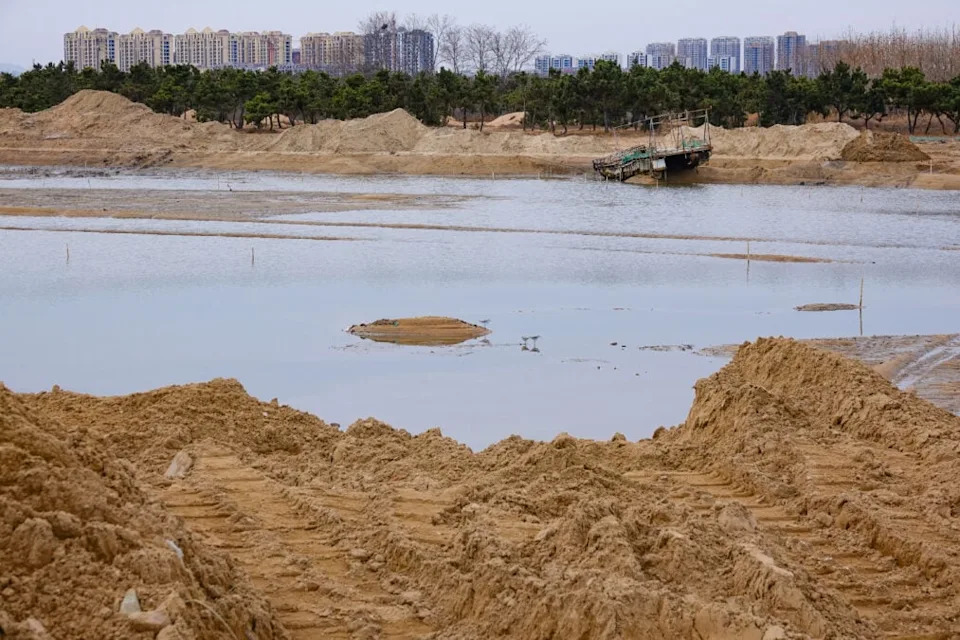
River sand is excavated in Qingdao, China. (Peng Song/Moment/Getty Images)
Consequences there have already been severe: more than 1,800 houses collapsed due to bank erosion between 2018 and 2020, and by 2023 researchers documented 585 major erosion hotspots along 741 km of river. Experts warn the Vietnamese Mekong could be effectively exhausted of usable river sand by 2035 at current extraction rates.
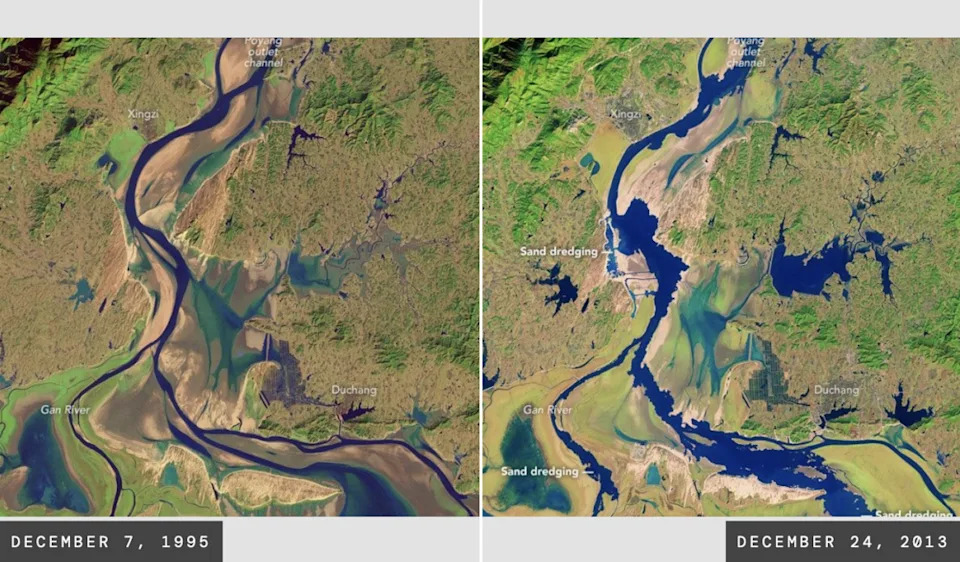
In just 18 years, China's Poyang Lake was drastically changed by sand mining. (NASA Earth Observatory)
Global Footprint of River Sand Mining
The Mekong is far from unique. Sand mining has reshaped landscapes from China’s Poyang Lake — changes visible from space over an 18-year span — to numerous Indian rivers (Mayurakshi, Kollidam, Subarnarekha, Ajay). In Brazil, the Paraná and Tocantins rivers in the Amazon Basin have been progressively altered. In Europe, old Seine dredging pits persist as floodplain lakes decades after extraction.
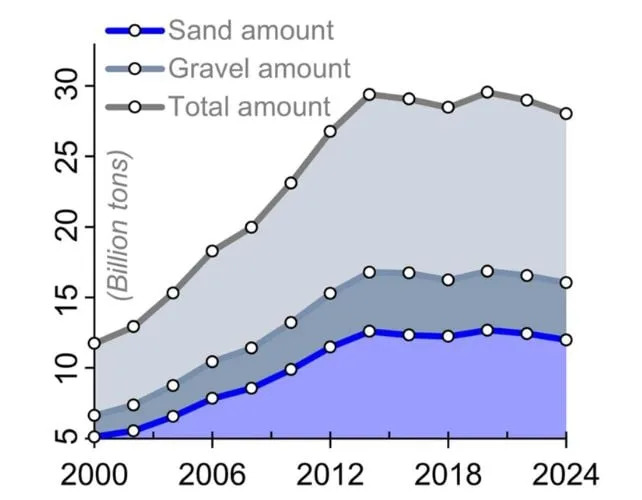
Annual global demand for river sand and gravel from 2000 to 2024. (Park et al.,Reviews of Geophysics, 2026)
Demand has surged over the past two decades. Sand and gravel are among the world's most extracted solid materials and together account for more than 70% of concrete by volume. River sand is prized because its grain shapes provide appropriate friction and it is usually non-saline — qualities that desert or marine sand often lack.
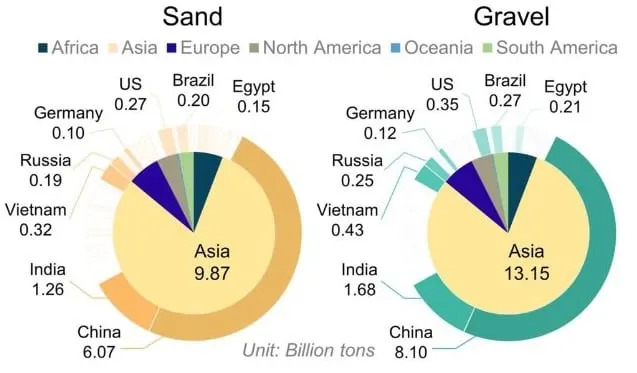
Volume of sand and gravel consumed in 2023 by the eight largest-consuming countries across the six continents. (Park et al.,Reviews of Geophysics, 2026)
Gaps in Knowledge and Governance
The review highlights major information and governance gaps: only 27% of studies mapped the spatial extent of mining, and just 24% examined socioeconomic drivers of demand. Weak regulation, limited monitoring and illegal operations allow profits to concentrate among a few actors while river-dependent communities absorb much of the damage.
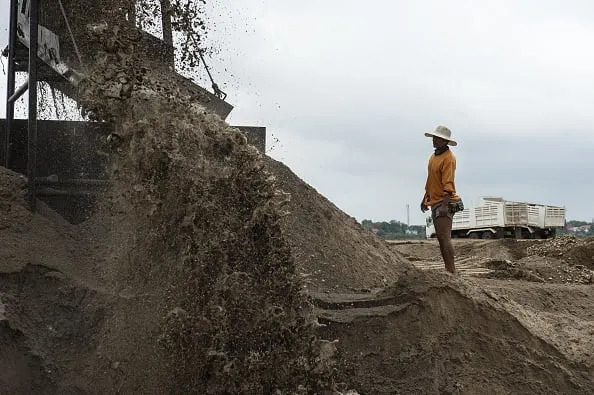
A worker watches a sand excavator along the Mekong River in Laos, dredging sand to make cement. (Lillian Suwanrumpha/AFP/Getty Images)
Practical Solutions and Policy Options
Authors recommend extraction be guided by river sediment budgets and natural replenishment rates and restricted to selected sites and sustainable volumes. Practical measures include:

Subscribe to ScienceAlert's free fact-checked newsletter
- Improved, systematic monitoring (remote sensing and field surveys).
- Stronger enforcement against illegal mining and corruption.
- Seasonal extraction limits to protect ecological cycles.
- Designated sustainable mining zones and spatial planning.
- Demand-side measures: increased recycling of construction materials, use of alternative aggregates, and design changes to reduce concrete use.
Meaningful reductions in environmental damage will require coordinated technological, regulatory and demand-management actions rather than a single fix.
"Sand and gravel are fundamental to urbanization and infrastructure development," says Edward Park (NTU Singapore), lead author of the review. The challenge is to balance those economic needs with the environmental and social costs.
The study synthesizing 411 papers was published in Reviews of Geophysics. This is a global issue with local consequences — without prompt policy and practice changes, many rivers and the communities that depend on them will face escalating risks.
Help us improve.