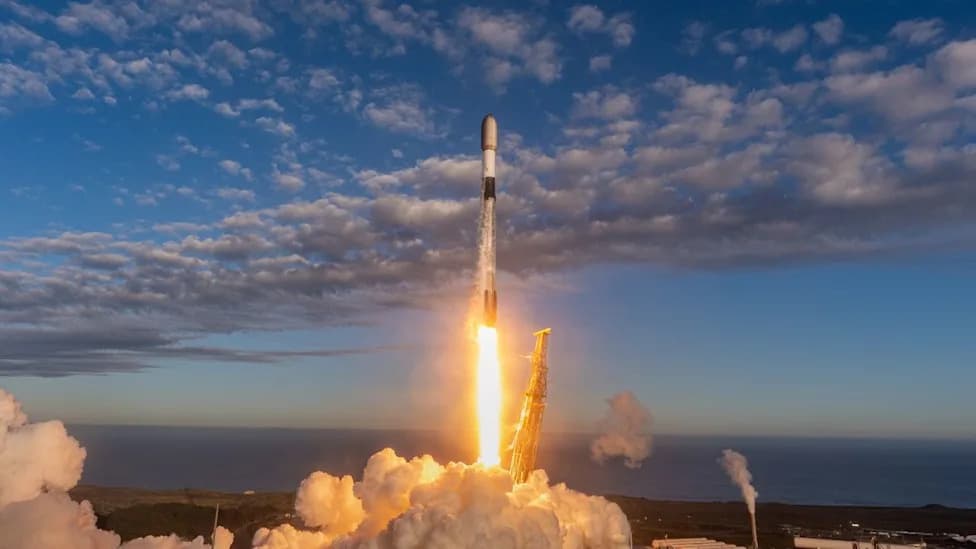
SpaceX will launch three BlueBird direct‑to‑cell satellites (nos. 11–13) for AST SpaceMobile from Cape Canaveral on Aug. 5, with a 96‑minute window opening at 3:42 a.m. EDT. Live coverage starts at 2:42 a.m. EDT. The mission expands AST's LEO constellation aimed at delivering internet directly to unmodified smartphones; next‑generation BlueBirds feature antennas up to 2,400 sq ft and should roughly double peak download speeds compared with Block 1 craft. The Falcon 9 first stage will attempt a landing on drone ship A Shortfall Of Gravitas about 8.5 minutes after liftoff.
Watch SpaceX Launch Three Large BlueBird Direct‑to‑Cell Satellites Early Aug. 5 — Live Coverage
Credit: SpaceX
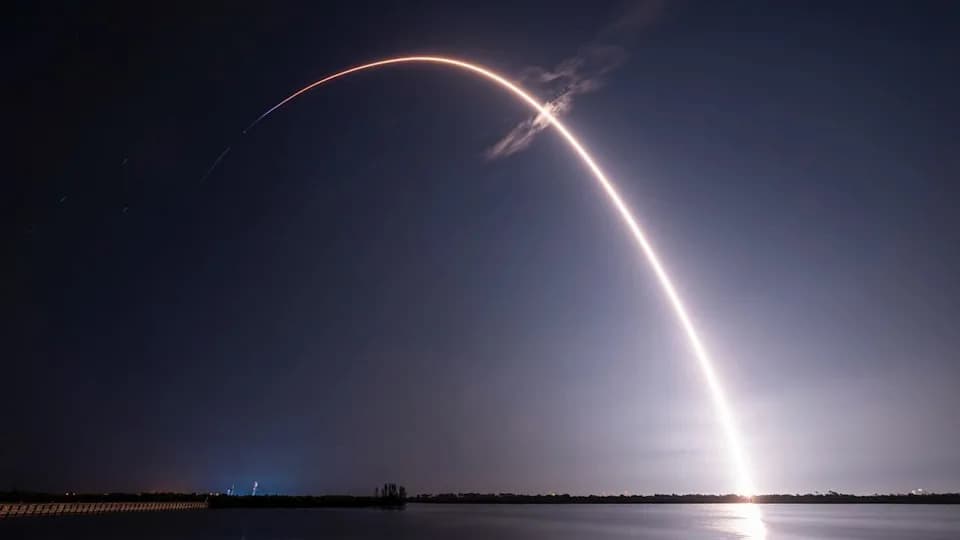
SpaceX will launch three large direct‑to‑cell BlueBird satellites for AST SpaceMobile in the early hours of Wednesday, Aug. 5. The Falcon 9 rocket is scheduled to lift off from Cape Canaveral Space Force Station, Florida, during a 96‑minute window that opens at 3:42 a.m. EDT (07:42 GMT).
Live coverage provided by AST SpaceMobile begins one hour earlier at 2:42 a.m. EDT (06:42 GMT) and can be viewed via Space.com or directly from AST SpaceMobile. The mission will deploy BlueBird satellites 11–13, continuing the build‑out of the company's low Earth orbit (LEO) constellation designed to deliver internet directly to unmodified smartphones.
What This Mission Adds
The three satellites are part of AST SpaceMobile's effort to expand space‑based cellular broadband. The company has launched ten BlueBirds so far, and the addition of 11–13 will significantly increase the fleet, particularly the number of next‑generation spacecraft in orbit.
"This orbital launch, combined with expanded manufacturing capacity and the recent successful launch and deployment of BlueBird satellites 8, 9, and 10, position us for beta services later this year with our space‑based cellular broadband coverage," said Scott Wisniewski, AST SpaceMobile’s president, in a July 28 statement.
Satellite Generations and Performance
AST began with "Block 1" BlueBirds, each featuring a deployable communications array of about 693 sq ft (64.4 sq m). In December 2025 the company launched its first next‑generation BlueBird (No. 6) aboard an Indian LVM3 rocket; next‑gen antennas span roughly 2,400 sq ft (223 sq m) and are expected to deliver nearly double the peak download speeds of Block 1 hardware. Block 1 satellites recently demonstrated peak downloads of 98.9 Mbps directly to standard smartphones.
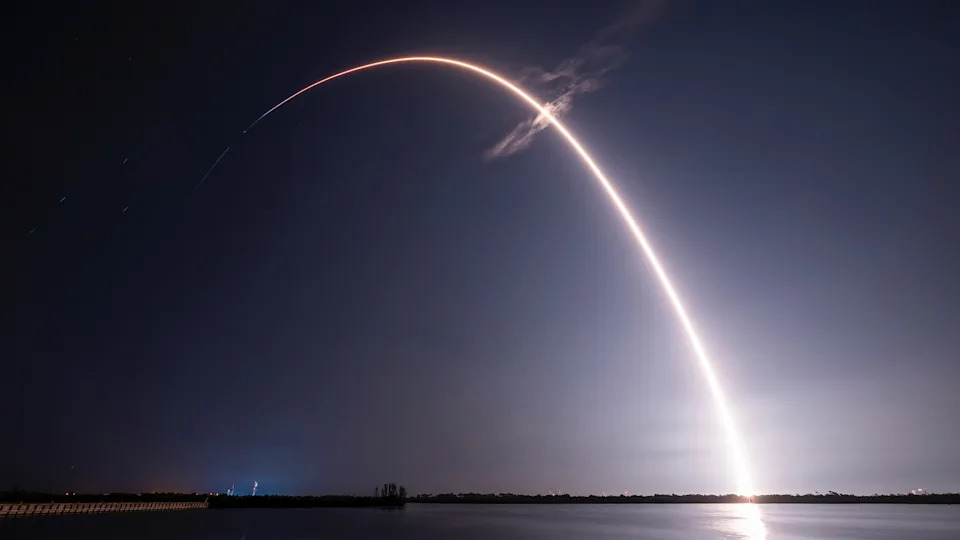
A SpaceX Falcon 9 rocket launches the BlueBird 8-10 mission for AST SpaceMobile from Florida on June 17, 2026. | Credit: SpaceX
There are currently four next‑generation BlueBirds in orbit (numbers 6, 8, 9 and 10). BlueBird 7 was lost in April after an anomaly with a Blue Origin New Glenn rocket. Adding satellites 11–13 will nearly double the number of next‑generation spacecraft on orbit.
Launch Timeline & Recovery
If the countdown proceeds nominally, the Falcon 9 first stage will return to Earth about 8.5 minutes after liftoff and attempt a landing on the SpaceX drone ship A Shortfall Of Gravitas in the Atlantic Ocean. This will be the 30th launch and landing for that particular booster, which previously flew the BlueBird 8–10 mission in June.
The Falcon 9 upper stage will begin deploying the three BlueBird satellites into LEO about 53.5 minutes after liftoff, releasing them over an 11‑minute window.
How to Watch
Tune in to Space.com's live stream or AST SpaceMobile's official feed starting at 2:42 a.m. EDT. Launch windows can shift due to weather or range constraints, so check the live stream for real‑time updates.
Credit: SpaceX / AST SpaceMobile
Help us improve.