Summary: Viral short videos and memes were central to the Cockroach Janta Party's youth‑led protests, but several women who appeared in those clips say they were subsequently doxxed, threatened and sexually abused online. Some cases led to police complaints and public debate, while many others forced women to archive or delete content, lock accounts and fear for their families' safety. Despite the harassment, several activists say they will continue speaking out, though now with a clearer sense of the personal cost.
‘I Was Slut‑Shamed’: Young Women From Viral ‘Cockroach’ Protest Clips Report Doxxing and Abuse
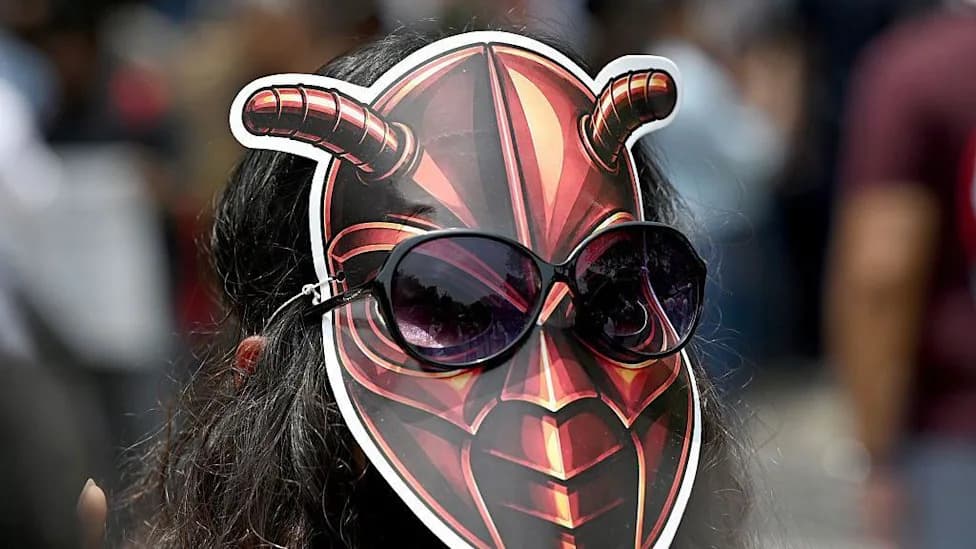
The women BBC spoke to say they received threats and abuses after participating in the CJP protests [Hindustan Times via Getty Images]
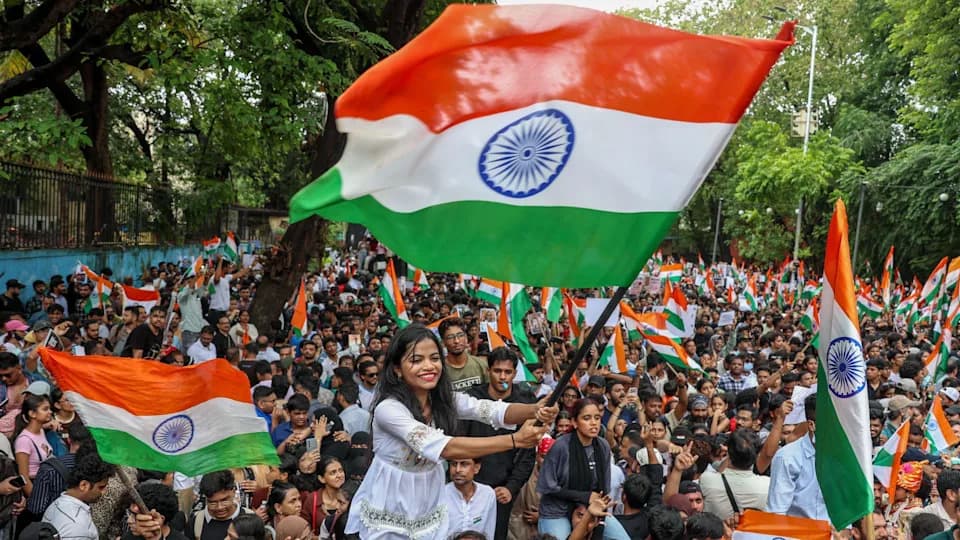
Short, often sarcastic videos — lip‑syncs, reels and off‑the‑cuff clips filmed en route to demonstrations — became one of the most recognisable elements of recent mass protests in India. While thousands of young people used memes and short videos to mock Prime Minister Narendra Modi, several of the women who appeared in those posts say they have since suffered severe online and offline consequences.
How Social Media Fueled a Movement — and a Backlash
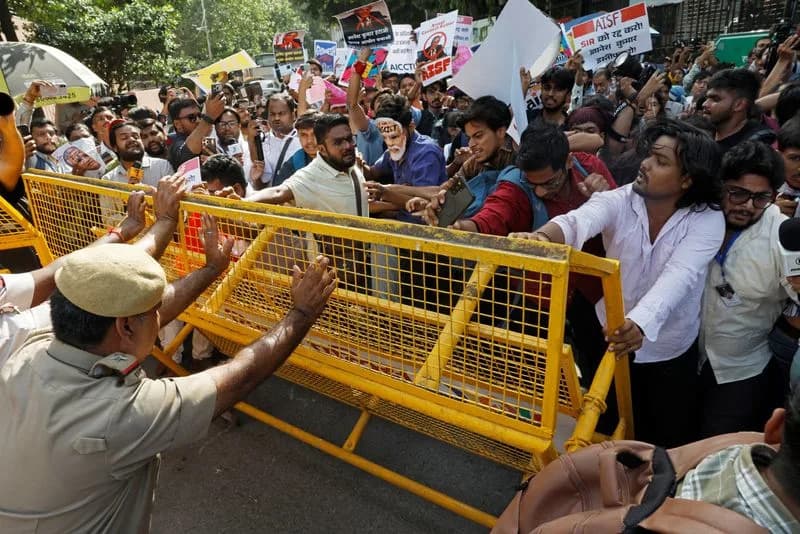
The youth‑led Cockroach Janta Party (CJP) used Instagram and viral short videos alongside street marches. Memes, reels and short clips documented everything from protest songs to the police crackdown on demonstrators who tried to march to parliament on 20 July. Delhi Police reported that 60 protesters and 118 police personnel were injured that day, though CJP says the number of injured demonstrators was significantly higher.
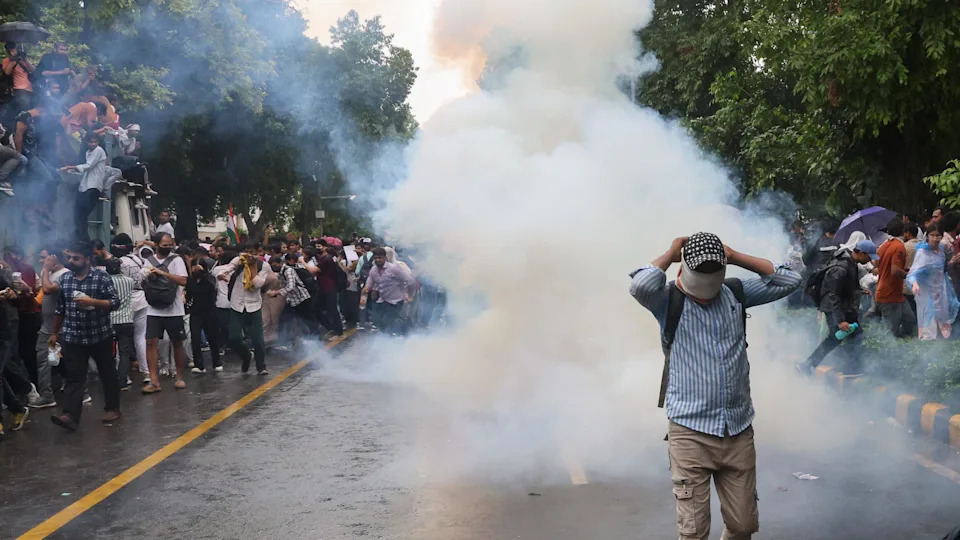
Police used tear gas and baton charge to disperse protesters who tried to march to the parliament on 20 July [EPA]
The posts reached hundreds of thousands, turning ordinary students into some of the movement's most recognisable faces. After the protests, police opened criminal cases against some participants. But many women describe a parallel, more personal reckoning online: rape threats, doctored images, doxxing and strangers combing their social media to identify them.
Firsthand Accounts: Threats, Shame, and Family Fear
The BBC spoke to four women and reviewed screenshots of abusive messages and doctored posts. Their names are withheld to protect their identities. Common experiences included:
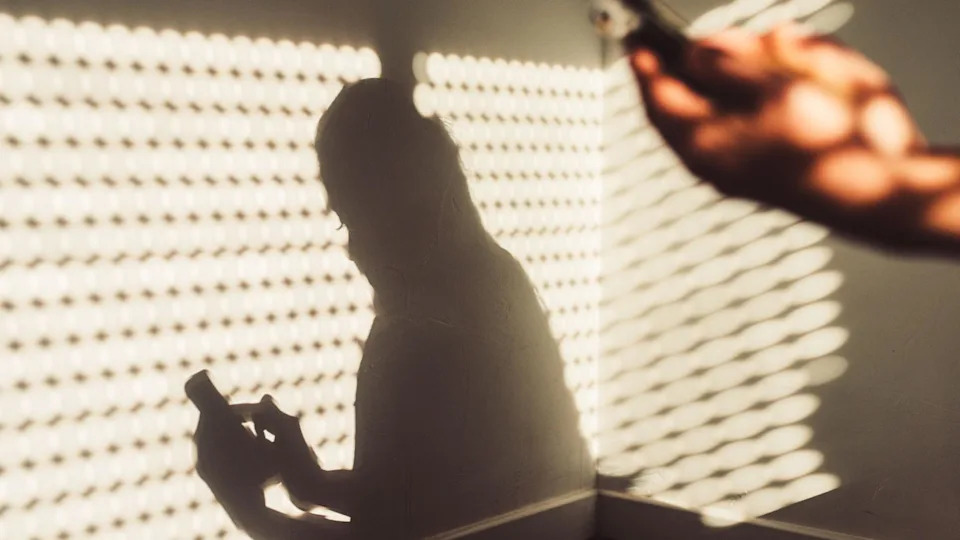
Several young women have faced online abuse and harassment after the protests [Getty Images]
- Sexualised insults and threats, including explicit messages and warnings that the women would be "taught a lesson" or reported to police so they could be arrested or beaten.
- Doctored images and videos circulated to humiliate or brand women as "anti‑national" or otherwise criminal; one edited photo was altered to suggest an intimate act for the purpose of shaming.
- Doxxing that identified colleges or other personal details, followed by callers contacting family members and pressuring parents to force their daughters to remove posts.
- Disproportionate gendered abuse: several women said male peers expressing similar views were not targeted with sexualised slurs or attacks on their families.
One woman in her mid‑20s described attending her first protest on 20 July and posting first‑person accounts after a baton charge and a temporary internet shutdown near the protest site. She says she was "slut‑shamed" and targeted after criticising comments made by the prime minister. Another, a 20‑year‑old who filmed a light‑hearted "fit check" before the march, found a clip of her circulated on national television and later on social media with posts suggesting authorities were trying to identify protesters. Her inbox filled with anonymous threats, and family members received alarming calls from strangers.
A student activist from a religious minority described how satirical videos she had made were shared far beyond her network, accompanied by edited images labeling her a terrorist and other slurs. Her father, also a journalist, feared official scrutiny once her religion and name were known. Despite the fear, she says she will continue to speak out — but now with a clearer sense of the personal cost.
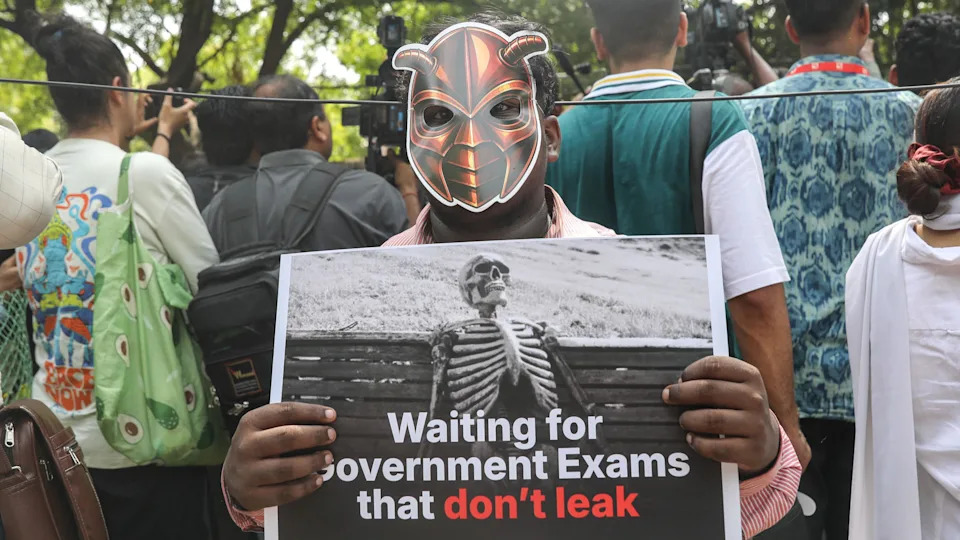
Memes and satirical short-form videos became a popular way for young protesters to speak about the movement [EPA]
Responses and Consequences
Some incidents prompted police complaints and TV debates; others were handled quietly as young women deleted posts, archived videos, locked accounts or changed names to avoid detection. Many said the harassment intensified their concern for their families' safety — not only their own. Parents described being terrified by the messages and by the prospect of official scrutiny.
Short‑form satire and memes helped amplify the CJP's reach, but that visibility carried real risks for the women involved: doxxing, sustained threats, edited imagery and social isolation that persisted long after the protests themselves faded from the streets.
Note: The accounts in this article are based on interviews and material reviewed by reporters; names and identifying details have been withheld to protect the women involved.
Help us improve.