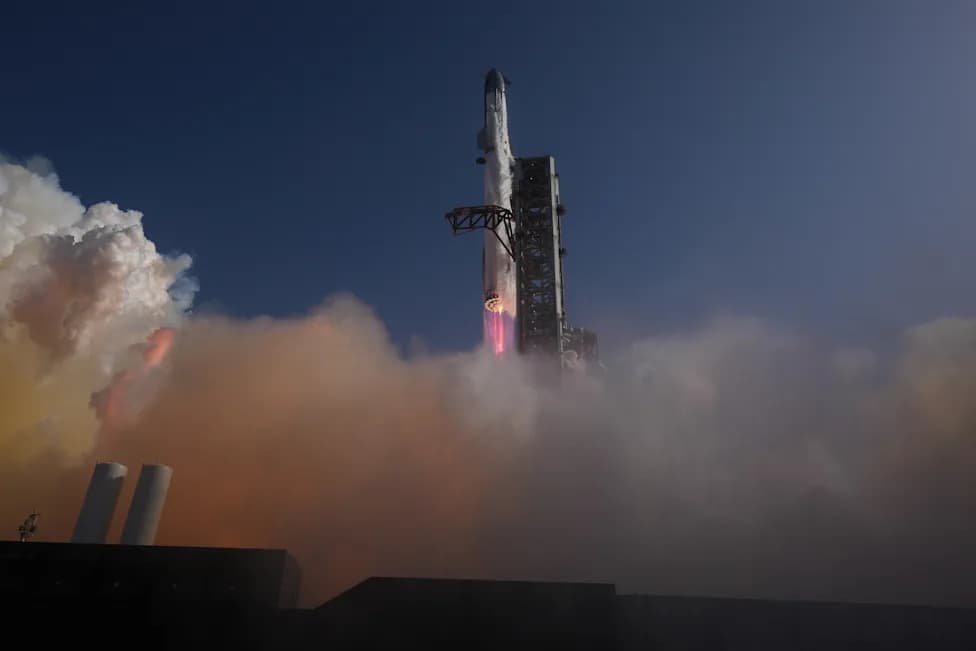
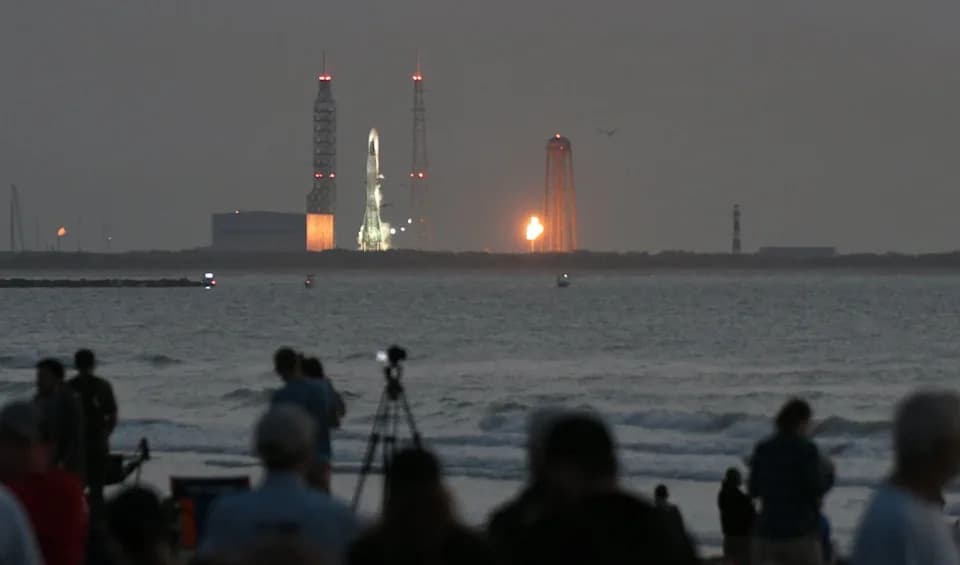
Louisiana has passed incentives to attract private space companies and is being considered as a site for a major facility near Pecan Island in Vermilion Parish. The FAA has proposed waiving or streamlining requirements under NEPA, parts of the Endangered Species Act, and sections of the Clean Water and Clean Air Acts for commercial launches and permits. Supporters highlight economic development and jobs; environmentalists warn the move could threaten wetlands, migratory birds and coastal resilience. The FAA is soliciting public comment and the proposal could reshape how launch sites are regulated nationwide.
Louisiana Bets on Rockets as FAA Proposal Seeks to Waive Environmental Reviews
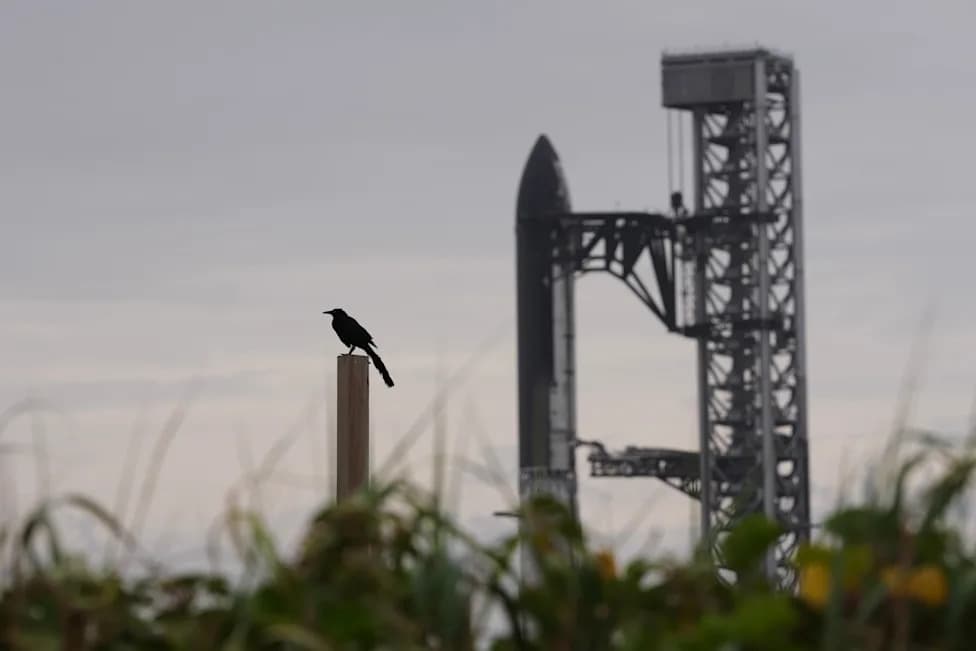
Louisiana bets on rockets as Trump targets environmental reviews
Louisiana is moving aggressively to position itself as a hub for the growing commercial space industry — and a recent Federal Aviation Administration (FAA) proposal could make the state even more attractive by scaling back environmental reviews that currently apply to rocket launches and related activities.
State Incentives and a Potential Spaceport
This year the Louisiana Legislature approved a package of incentives designed to lure private space companies to build launch, test and manufacturing facilities in the state. Local chatter and reporting suggest a coastal parcel near Pecan Island in Vermilion Parish is under consideration, and media reports say Gov. Jeff Landry could announce a deal with SpaceX.
What the FAA Proposal Would Do
Last week the FAA proposed giving the Transportation Secretary the authority to waive requirements under multiple environmental statutes for commercial launch, reentry and certain experimental permits. Laws that could be affected include sections of the National Environmental Policy Act (NEPA), the Endangered Species Act, parts of the Clean Water Act and portions of the Clean Air Act.
Agency Rationale
The FAA and Transportation Secretary argue the change would remove what they call unnecessary regulatory barriers and speed the approval process for commercial space activity, enabling higher launch cadence and faster industry growth.
Local Site, Local Tension
The tract under discussion sits near marshes, hunting grounds and a state-managed wildlife refuge. Supporters emphasize potential economic gains: jobs, new investment and a high-profile industry presence. Opponents warn the area includes productive wetlands that buffer inland communities from storms and support migratory birds and other wildlife.
"The presumption is launching rockets fast and often without much accountability, if any," said Mark Davis, an environmental law professor at Tulane University.
SpaceX Record And Regulatory Concerns
SpaceX, a frequently mentioned suitor, has faced environmental complaints and a 2024 federal fine related to alleged wastewater discharges near its Texas launch site; the company disputes some allegations. Environmental groups say past launches and accidents have threatened shorebird habitat and endangered species.
State Law Changes To Attract Industry
To bolster its pitch, Louisiana enacted laws offering tax rebates and exemptions, designated space facilities as critical infrastructure, shielded certain industry documents from public records requests and limited nuisance lawsuits tied to launches. Supporters call the measures necessary to compete with states such as Texas and Florida; critics say they risk ceding too much protection to industry.
Broader Implications
If finalized, the FAA proposal would set a federal precedent for how environmental safeguards apply to commercial space operations — particularly at coastal launch sites that rely on wetlands for storm protection and host sensitive wildlife. The debate in Louisiana reflects a national tension between accelerating commercial space activity and preserving environmental and community safeguards.
What Happens Next: The FAA is taking public comment on the proposal. Local, state and federal stakeholders — from parish councils to conservation groups — are likely to weigh in as potential deals and permitting decisions move forward.
Help us improve.