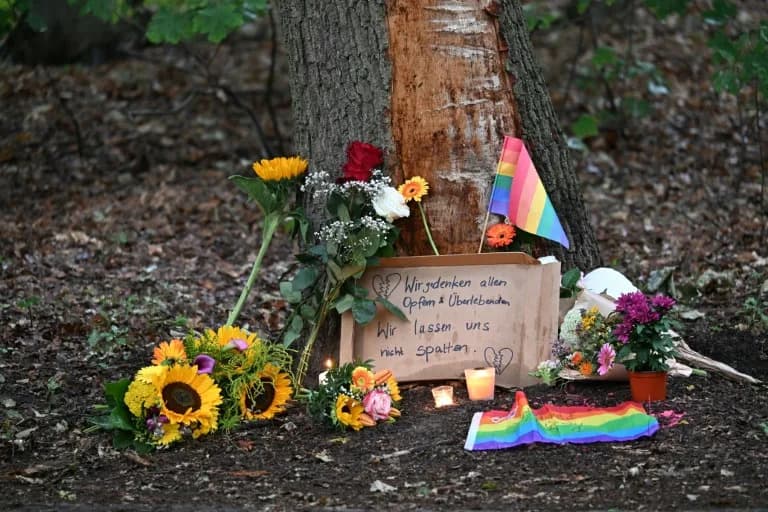
The man who ploughed a van into crowds at the edge of Berlin Pride and then attacked people with a machete has been buried in Spandau. One person was killed and 31 were injured; the 21-year-old suspect, identified as Abdul B, was shot dead by police the next day. He had a prior conviction for attempting to join ISIS and had been flagged by domestic intelligence, raising questions about his release. Interior Minister Alexander Dobrindt has pledged a full timeline and review of authorities' prior actions.
Berlin Pride Attacker Buried as Officials Face Questions Over Prior Release
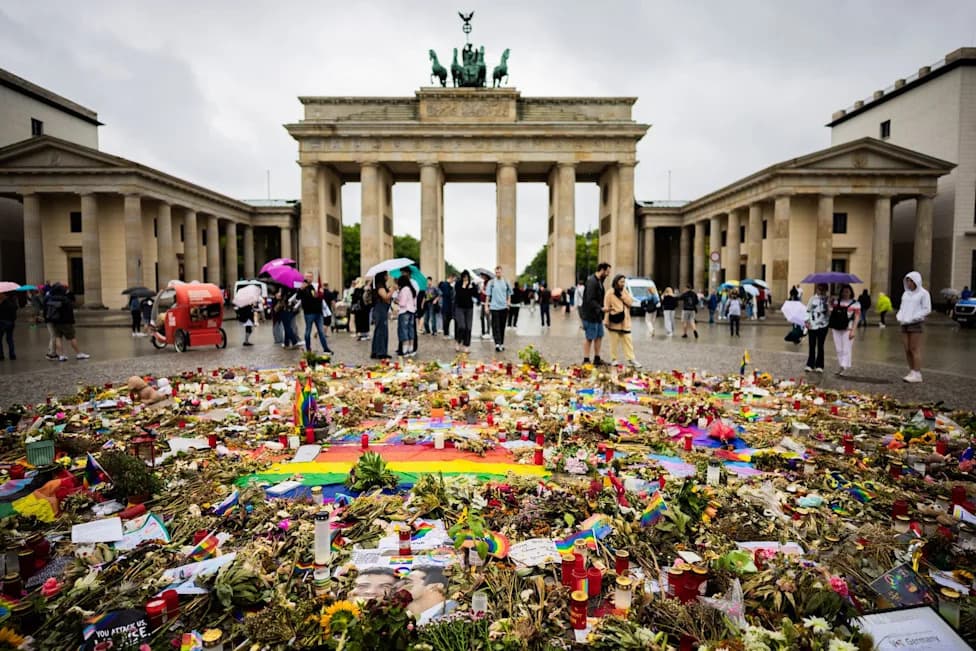
FILE PHOTO - Messages of condolence and sympathy have been left in front of the Brandenburg Gate in memory of the victims of the attack during Berlin Pride. (is associated with: «Berlin Pride attacker buried as many questions remain unanswered») Christoph Soeder/dpa
The suspect in the Berlin Pride attack has been buried in the Spandau district amid continuing questions about why he had been released despite a prior conviction, police said on Tuesday.
Attack and Immediate Aftermath
On the night of July 25, a 21-year-old man identified as Abdul B drove a van into a crowd near the edge of Berlin Pride, killing one person and injuring 31 others. Witnesses say he then attacked bystanders with a machete. Police shot the suspect dead the following day after officers say he assaulted them while they attempted to arrest him in an allotment in Spandau, on Berlin's outskirts.
Burial and Security
The burial took place in a Spandau cemetery with several officers deployed to the scene. Authorities reported no disturbances during the service.
Previous Conviction And Intelligence Concerns
More than a week after the attack, officials are under scrutiny for allowing Abdul B—known to domestic intelligence as a radicalised Islamist—to remain free despite a prior conviction. In May, he was convicted under Germany's juvenile justice system and sentenced to 22 months for attempting to join the Islamic State in Syria. The court subsequently lifted his detention order and he was released from custody.
Evidence And Official Response
Federal prosecutors say they found a video on the suspect's mobile phone that appears to show a masked individual, believed to be Abdul B, pledging allegiance to the Islamic State militant group. In a special session of the Home Affairs Committee, Interior Minister Alexander Dobrindt pledged to provide a full chronology of events and to detail the actions taken by authorities prior to the attack.
Questions remain: Why was a previously convicted and flagged individual released, and could earlier intervention have prevented the attack? Authorities have promised a thorough review.
Help us improve.