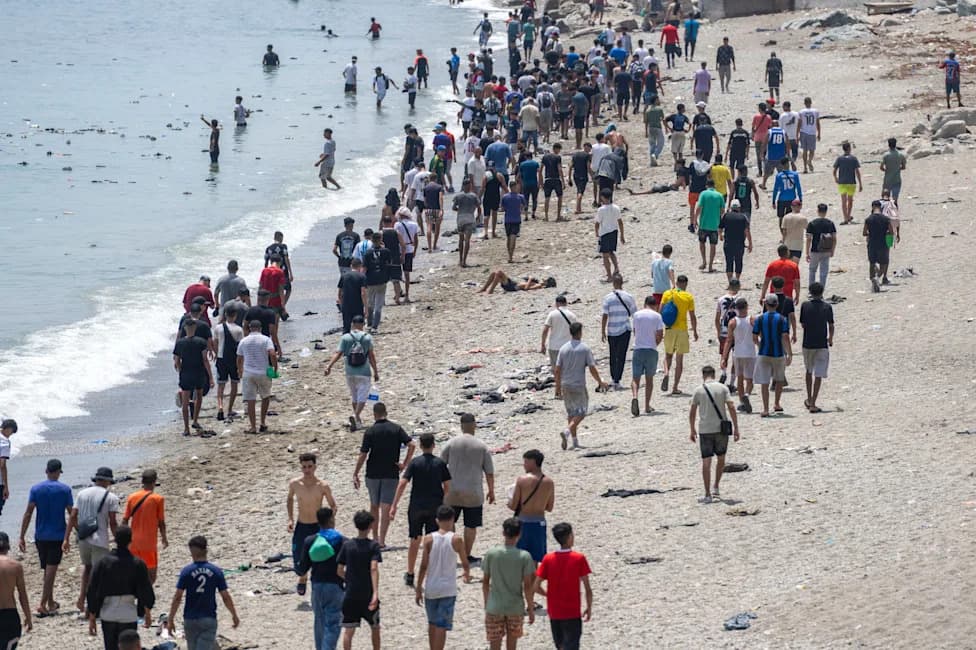
The EU praised Spain's rapid response after roughly 72,000 people crossed into Ceuta on 30–31 July; authorities report about 70,000 returned to Morocco and at least 86 deaths across both sides. An emergency meeting of EU interior ministers highlighted divisions over Schengen checks, with Italy temporarily imposing extra controls on travellers from Spain. Officials blamed criminal networks and social-media disinformation for fuelling the surge, while humanitarian concerns persist—notably for about 800 unaccompanied children in Ceuta.
EU Praises Spain's Swift Response After Tens of Thousands Cross Into Ceuta
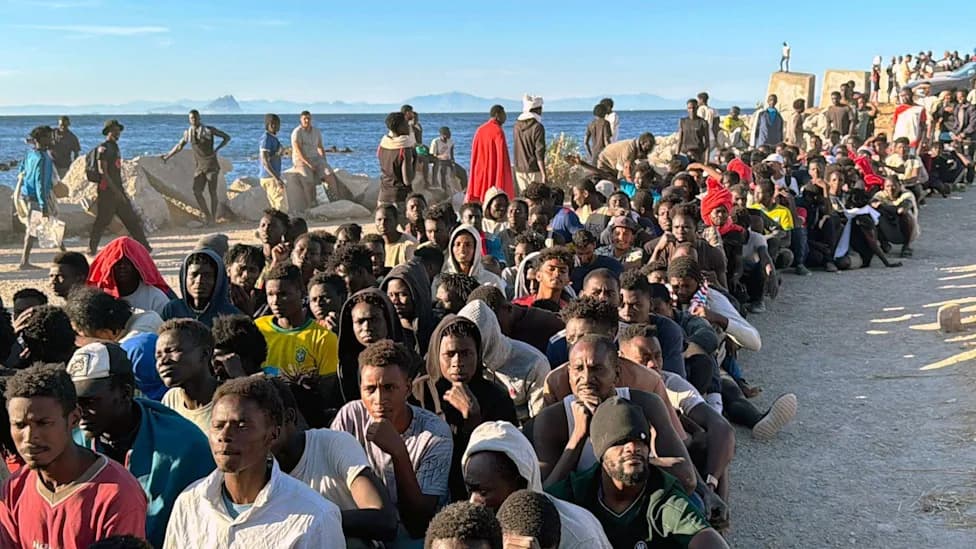
Hundreds of migrants were pictured lined up on a beach in Ceuta to collect aid [Getty Images]
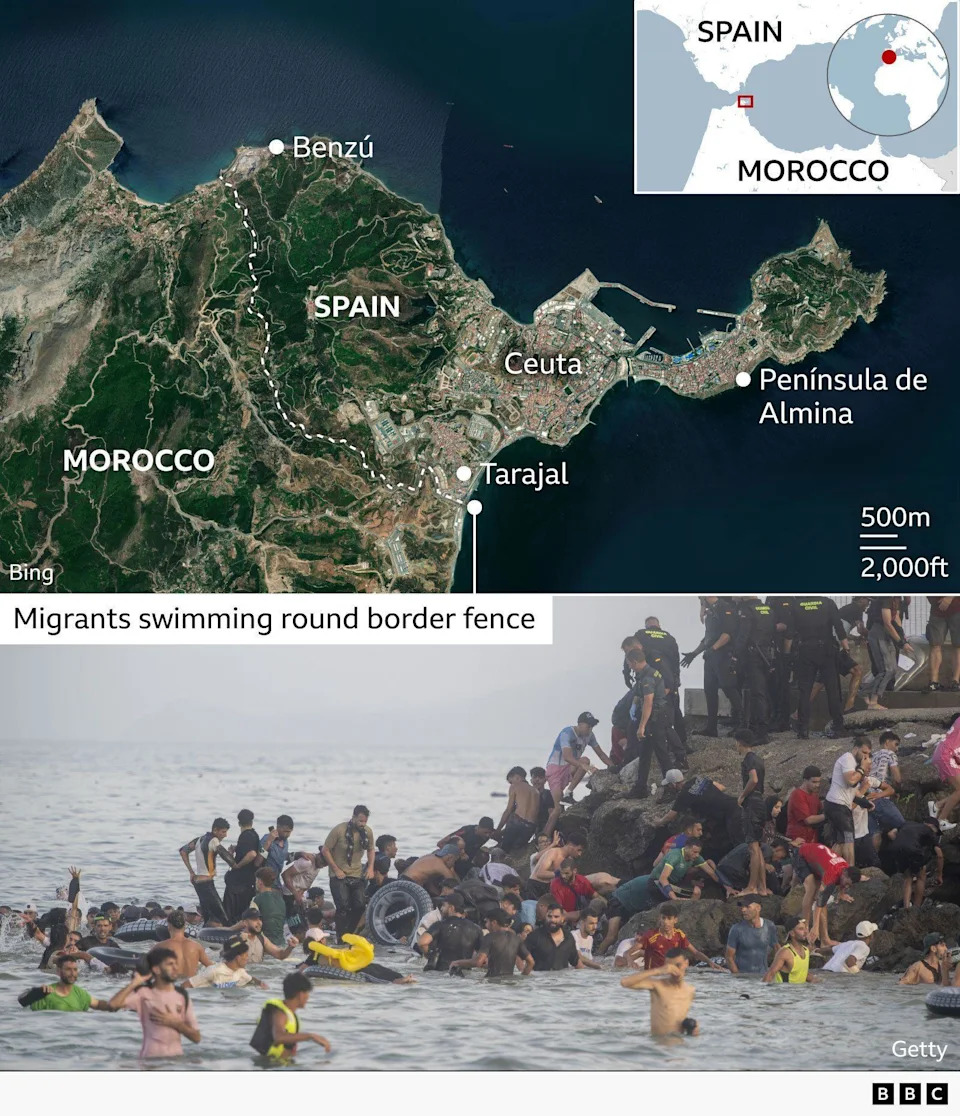
The European Union commended Spain's rapid response after an estimated 72,000 people crossed into the Spanish exclave of Ceuta between 30 and 31 July. Spanish authorities say about 70,000 people have since been returned to Morocco, while at least 86 people died across both sides of the border (75 reported in Spain and 11 in Morocco).
EU Reaction and Political Tensions
An emergency meeting of EU interior ministers was convened amid criticism from several capitals about Spain's handling of the influx. Italy described the images from Ceuta as "shocking" and announced temporary extra Schengen checks on travelers from Spain — a step that functionally applies to flights, since the two countries share no land border. Finland and Denmark backed Italy's measure and the Czech prime minister called for a temporary suspension of Spain's Schengen participation.
[BBC]
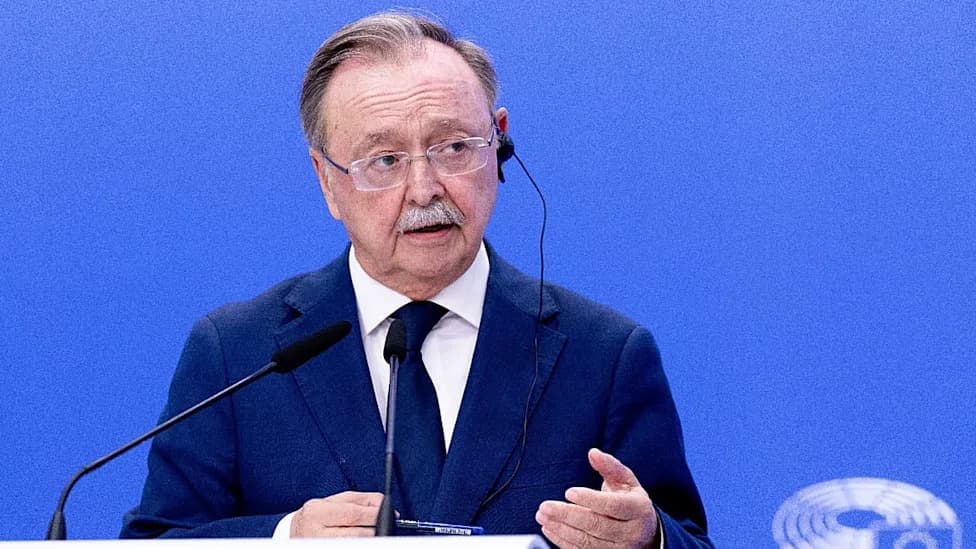
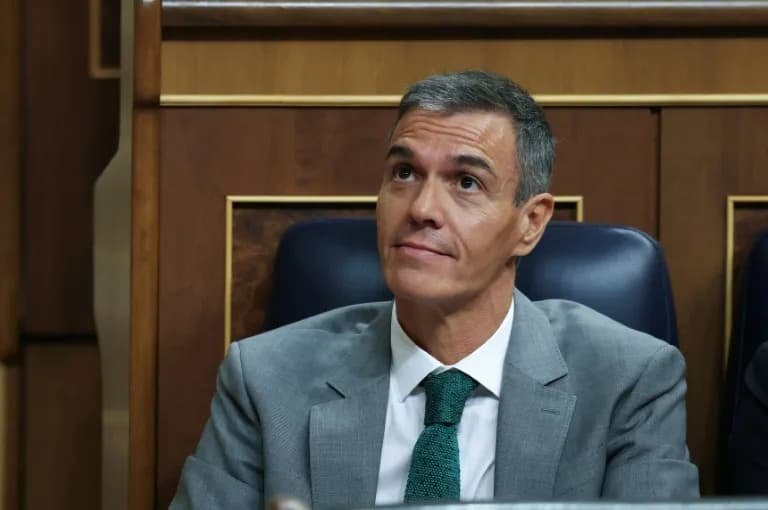
Irish Justice Minister Jim O'Callaghan, who chaired the ministers' meeting, said the EU stood in solidarity with Spain and urged "a united European response" on migration. Spanish Prime Minister Pedro Sánchez said most members showed "support and solidarity" but criticised others for attacking Spain for "prejudice, fake news, ignorance, or political interest." Interior Minister Fernando Grande-Marlaska said Schengen had not been compromised and called for any additional checks to be lifted promptly.
European Support and Border Management
EU Commissioner Magnus Brunner described the episode as a test of European resilience and border management that the bloc had "passed." He said the EU offered emergency financial support to Spain to strengthen its borders and manage the crisis. Denmark's immigration minister also welcomed Spain's fast response while warning the incident underlined the need for robust control of the EU's external frontiers.
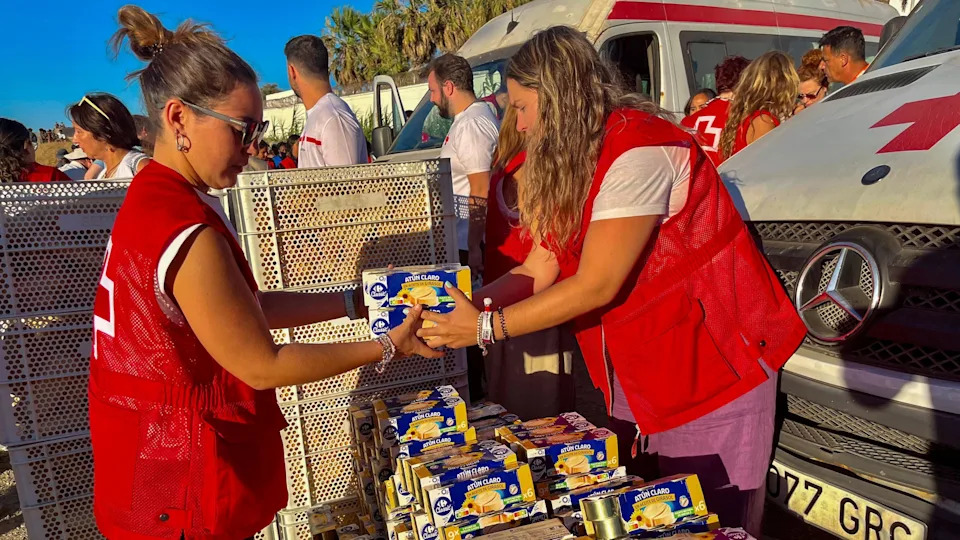
The Red Cross distributed food and other aid to the remaining migrants on Monday [EPA/Shutterstock]
Causes and Legal Context
Authorities have not reached a definitive conclusion on what triggered such a rapid surge. Officials suspect a combination of criminal trafficking networks and social media disinformation helped fuel the crossings. The wave followed a ruling by Spain's Supreme Court that migrants intercepted at sea while attempting to reach Ceuta or Melilla cannot be summarily returned to Morocco — a decision Moroccan officials warned could create problems, a claim Madrid disputes.
Humanitarian Situation in Ceuta
Images and reports from Ceuta showed large groups gathering on beaches and streets to receive aid. Humanitarian organisations, including the Red Cross, distributed food, water and other assistance. Local media and rights groups expressed alarm about the welfare of those remaining in Ceuta, particularly roughly 800 unaccompanied children reported to be held in temporary facilities across the city. The Spanish government has allocated around €25 million to assist minors.
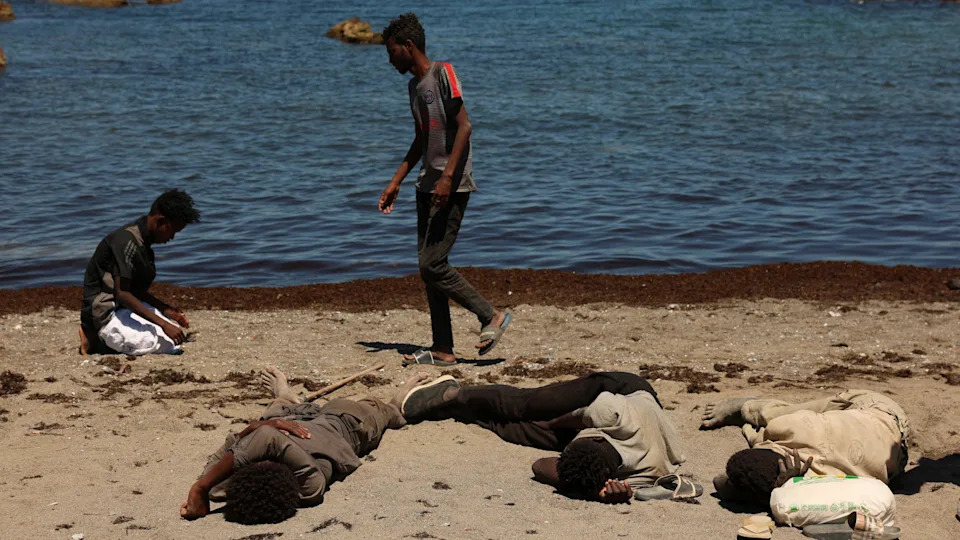
Groups of migrants have been sleeping on the beach in Ceuta [Reuters]
Voices from Ceuta: Migrants interviewed by international outlets described dire conditions and uncertainty. Ahmed Haroun, 29, from Sudan, said reaching Ceuta had been his dream but he did not know whether he would be allowed to stay. Djibril, from Senegal, criticised treatment of arrivals, saying "We're not thieves" and calling the response "inhumane." Kamal, 24, also from Sudan, spoke of scarce food, shelter and blankets.
Next Steps
Spanish and Moroccan authorities say they are working closely to prevent further large-scale crossings and to manage returns. EU ministers emphasised the need for coordinated action: stronger external border controls, targeting trafficking networks, and improved information-sharing to counter disinformation on social media.
Note: Figures remain provisional and investigations into the causes and handling of the incident are ongoing.
Help us improve.