The Science Advances study found at least 6,324 dFAD strandings from 2007–2023 in 174 protected areas across 53 jurisdictions, indicating these devices reach over half of the world’s protected marine area. dFADs can smother reefs and entangle wildlife, and roughly 30% of affected MPAs are in small island developing states that shoulder cleanup costs. Authors call for access to historical tracking data, annual deployment limits, upstream restrictions, and stronger enforcement to reduce device losses and protect MPAs.
Study: Abandoned Tuna Rafts Drift Into Over Half of World’s Protected Seas

Photo Credit: iStock
A global analysis published in Science Advances shows that abandoned tuna fishing rafts—known as drifting fish aggregating devices (dFADs)—are reaching more than half of the world’s protected marine areas, carrying debris and hazards into zones intended to shield marine life.
Researchers documented at least 6,324 dFAD strandings between 2007 and 2023 across 174 protected areas in 53 maritime jurisdictions, according to reporting by Mongabay. The team found that many impacts occurred thousands of kilometers from the original fishing grounds.
How dFADs Threaten Protected Areas
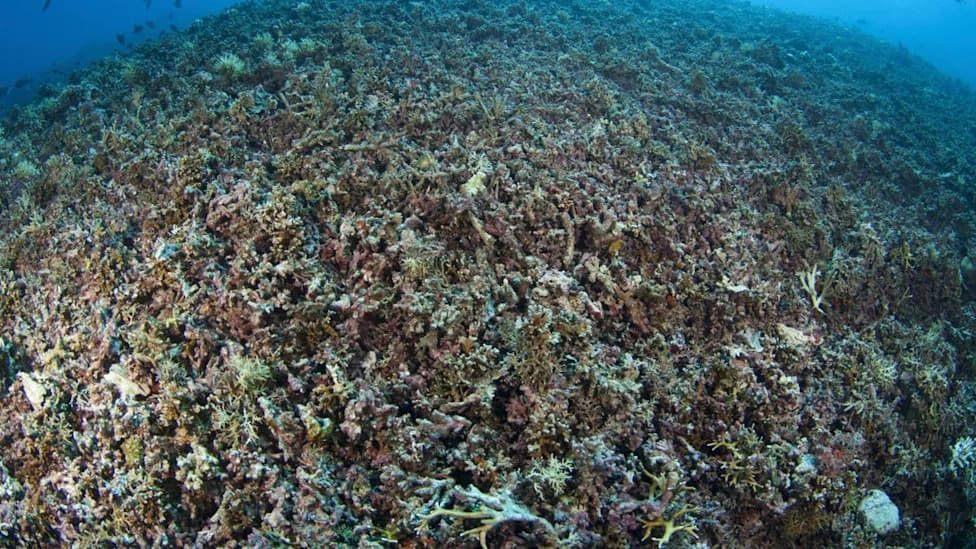
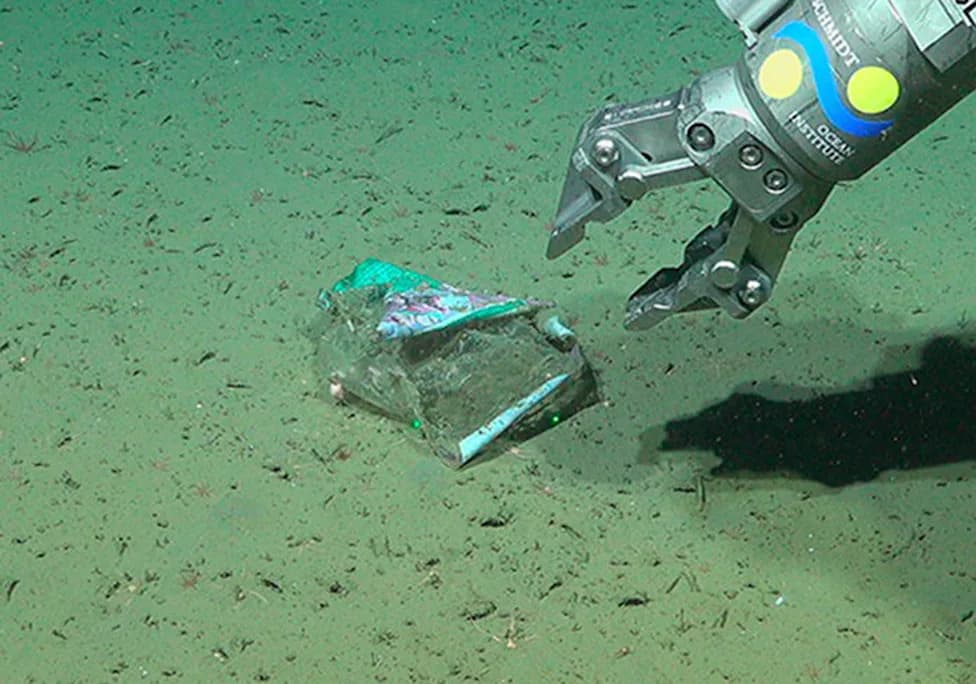
dFADs—floating rafts with buoys and electronic trackers used to attract tuna—can smother coral reefs, crush seagrass beds, and entangle sharks, turtles, and other wildlife when they strand. Even designs that use more biodegradable materials often leave behind plastic fragments and electronic components that persist in the environment.
“We were surprised to find that FADs appear to affect more than half of the world's protected marine area, and that impacts often occurred thousands of kilometers from the original fishing grounds,” said Boris Worm, a co-author and marine ecologist at Dalhousie University.
Where The Burden Falls
About 30% of the protected areas with recorded or inferred strandings are in small island developing states. Local authorities in these nations often shoulder retrieval and disposal costs with limited budgets and capacity, increasing cleanup expenses and pressure on ecosystems that support fisheries, tourism, and livelihoods.
Policy Gaps And Recommendations
The researchers looked for evidence that fishing fleets were deliberately deploying dFADs near marine protected area (MPA) boundaries. While overall dFAD activity has increased near some MPAs, the study did not find clear, large-scale proof of intentional clustering at MPA edges.
Co-author Juan Carlos Villaseñor-Derbez of the University of Miami highlighted restricted access to historical tracking records as a major obstacle: releasing anonymized historical data could clarify where devices were deployed, when they left company control, and whether they entered protected waters accidentally or after tracking was disabled.
Study authors and fisheries experts recommend stronger oversight, including:
- Annual caps on dFAD deployments.
- Restrictions on deploying dFADs in waters upstream of MPAs where currents can carry them into protected zones.
- Better access to historical tracking data to assess responsibility for stranded devices.
- Regulations and enforcement to reduce accidental or intentional abandonment.
“Most deployed dFADs are 'lost' either accidentally or intentionally, and so regulating to minimize this 'loss' and therefore minimize the risk of overall interaction with MPAs is, I think, the most important element,” said Glen Holmes of the Pew Charitable Trusts, who was not involved in the study.
Designating MPAs is an important conservation tool, but the study underscores that boundaries alone cannot prevent drifting industrial debris from undermining protected ecosystems. Effective solutions will require tighter deployment rules, better tracking transparency, and international cooperation to reduce the environmental and economic burden on vulnerable coastal communities.
Help us improve.