Sera Cracroft, an actress and survivor of child sexual abuse, criticised former BBC presenter Huw Edwards after he entered a poem under a pseudonym into the National Eisteddfod. Edwards, who admitted accessing 41 images of children in 2024, received a suspended six-month sentence and was placed on the sex offenders' register for seven years. The Eisteddfod says entries are anonymous; Edwards' poem, submitted as "Y Gelyn," was placed in the competition's third grouping and did not win. Cracroft called the entry hurtful to survivors and urged organisers to review pseudonymous entry rules, while Edwards defended the poem as a tribute to his father and sought to counter what he called a "poisonous narrative."
Huw Edwards Criticised After Submitting Poem To National Eisteddfod Following Conviction
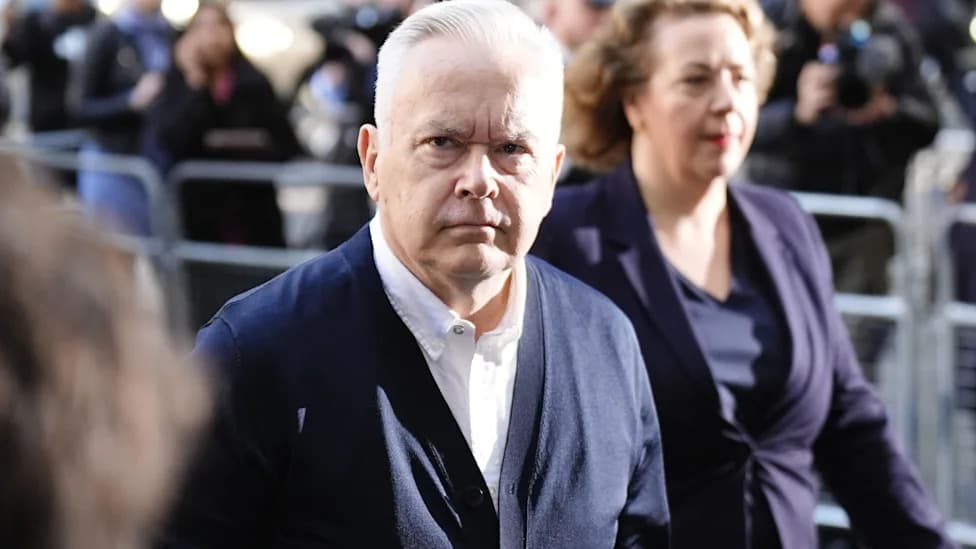
Former BBC newsreader Huw Edwards seen arriving at Westminster Magistrates' Court for sentencing in September 2024 [PA Media]
Content warning: This article discusses child sexual abuse and may be distressing to some readers.
An actress and survivor of child sexual abuse has criticised former BBC presenter Huw Edwards for entering the poetry competition at Wales' National Eisteddfod despite his recent conviction.
In 2024 Edwards admitted accessing 41 images of children, including seven judged to be of the most serious category. He received a six-month prison sentence suspended for two years and was placed on the sex offenders' register for seven years.
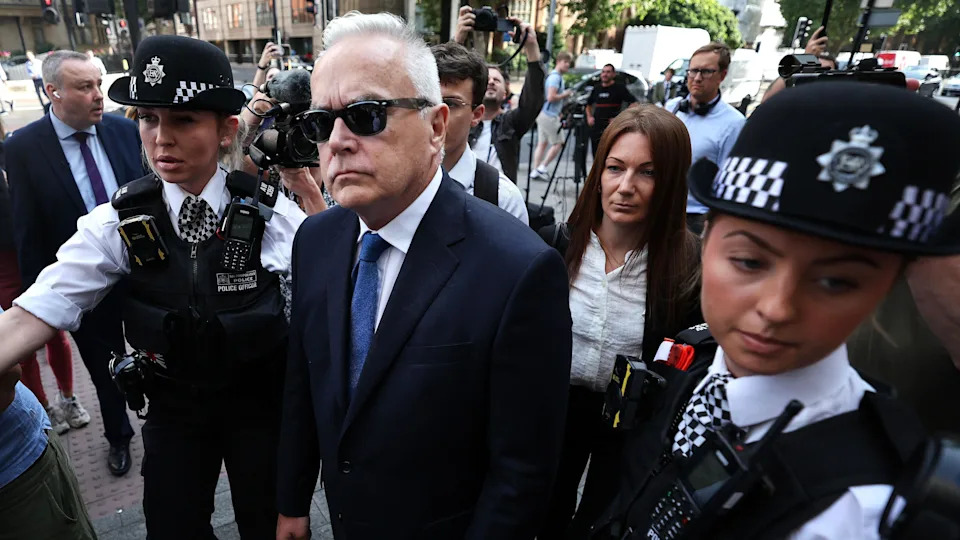
Edwards admitted to accessing 41 images of children, including seven of the most serious type [EPA]
Entry And Anonymity At The Eisteddfod
The National Eisteddfod runs poetry contests under strict anonymity: entrants submit work under pseudonyms, and real identities are kept in sealed envelopes and are not revealed to judges until winners are announced. Organisers say they will review procedures as part of their usual post-event appraisal.
What Happened
Edwards published on his Substack that he had "attempted to write a poem" inspired by the Eisteddfod and that he submitted the entry under the pseudonym "Y Gelyn" (The Enemy). Newyddion S4C confirmed the poem was officially entered and reported that it was placed in the competition's third grouping and did not win.
Reactions From Survivors
Actress Sera Cracroft, best known for her role in the Welsh-language soap Pobol y Cwm and a survivor of childhood sexual abuse, said she and other survivors found the entry hurtful. "Had he won, the image of him being crowned in front of the nation is hurtful to survivors," she said, adding it was "far too soon" for Edwards to seek public redemption through the festival.
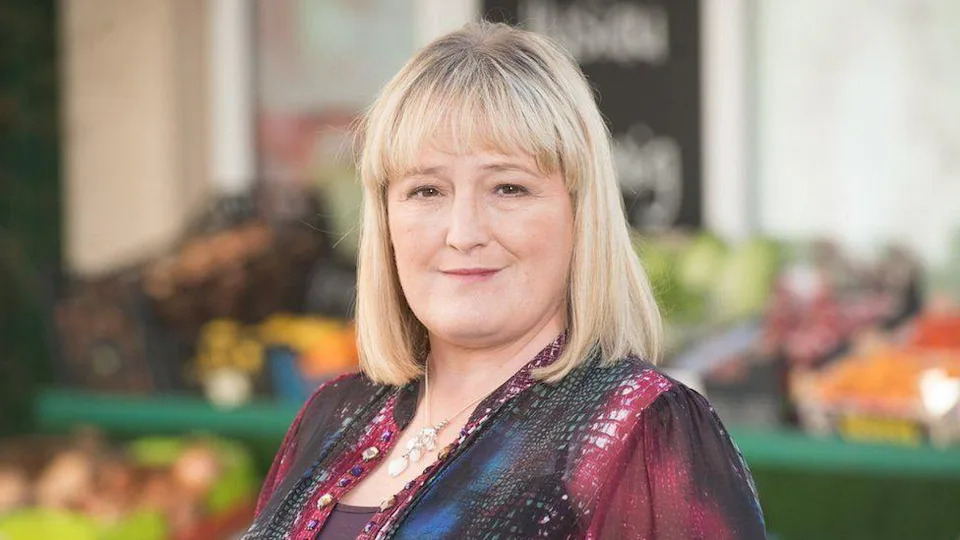
Sera Cracroft is an actress in Welsh-language soap Pobol y Cwm [BBC]
"Huw has said he is receiving mental health support and to be completely honest, I don't think it's working for him," Cracroft said. "Some of the images were in the worst category possible."
Cracroft urged the Eisteddfod to review its pseudonymous entry rules and suggested Edwards engage with survivors to better understand the harm caused by such offences.
Edwards' Response
Edwards told Newyddion S4C the poem was a tribute to his father and said he did not expect to win. He described the piece as intended to correct what he called a "poisonous narrative" promoted by sections of the press. In other Substack posts he expressed "abhorrence" at his admitted offences and disputed characterisations of his actions—writing that he was "not a child rapist" and describing his offence as "to click on files sent to me by someone else."
When shown Cracroft's criticism, Edwards responded: "This wasn't a poem for the sickeningly self-righteous Welsh speakers - Sera amongst them - who take advantage of every opportunity to speak unthinkingly on every subject under the sun."
Context And Support
Edwards' Substack account has previously attracted criticism from child sexual abuse campaigners. His sentence is recorded as becoming spent on 16 September, according to his posts.
If you have been affected by the issues discussed in this story, help and support is available through BBC Action Line and other local victim-support organisations.
Help us improve.