
Satellite photos taken in early August show tugboats Skimmer Tide and Normand Ranger working with SpaceX recovery vessel Go Australis to retrieve Ship 40, the 170-foot Starship upper stage that floated after a July 24 splashdown. Ship 40 retained all six engines, maintained control during reentry and made an unusually gentle splashdown that left it airtight and buoyant. Crews secured a tow line to the rocket's nose, but towing progress remains unclear while SpaceX analyzes heat-shield performance and other data needed for rapid reusability.
Satellite Images Capture Race To Recover 170-Foot SpaceX Starship From Indian Ocean
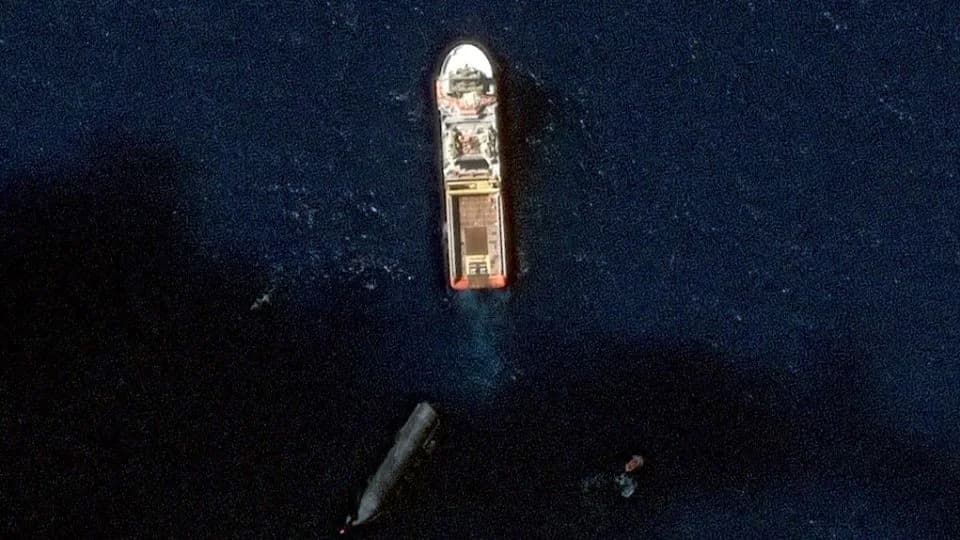
A zoomed-in satellite image taken on August 3 shows the Normand Ranger tugboat nearthe 170-foot-long Starship. A small boat can be seen floating next to the rocket. - Vantor
Satellite imagery has captured an active recovery effort to retrieve SpaceX's 170-foot Starship upper stage, known as Ship 40, after it floated in the Indian Ocean following a July 24 test flight.
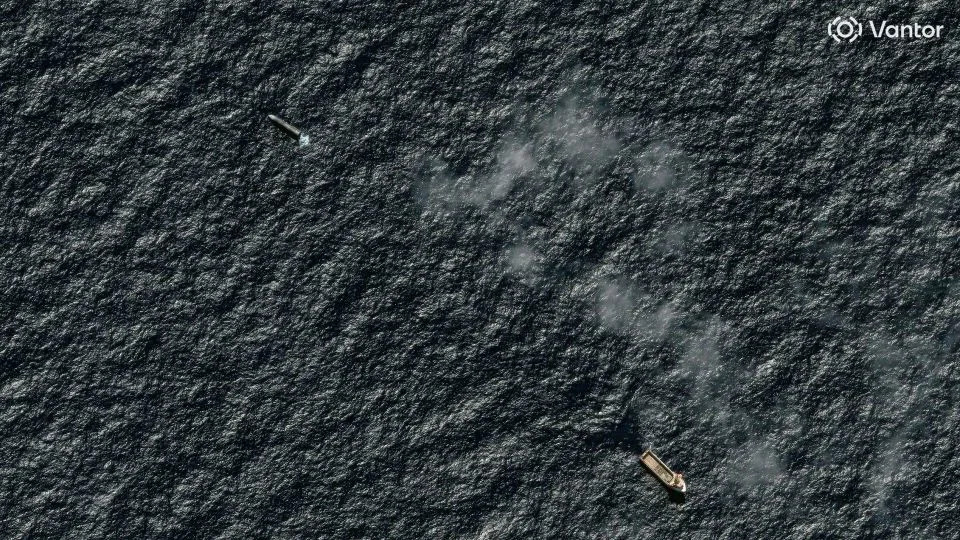
A satellite image taken on August 2 shows Skimmer Tide floating near SpaceX's Starship after it landed in the Indian Ocean. - Vantor
Recovery Effort Captured By Satellites
Colorado-based geospatial firm Vantor released images from Aug. 2–3 showing tugboats Skimmer Tide and Normand Ranger alongside the floating Starship, with SpaceX recovery vessel Go Australis also involved. A small workboat is visible alongside the rocket and a long line is secured to the nose. MarineTraffic tracking for Monday indicated Skimmer Tide and Normand Ranger were moving at roughly one knot and broadcasting restricted maneuverability; Go Australis later separated and steamed toward Australia.
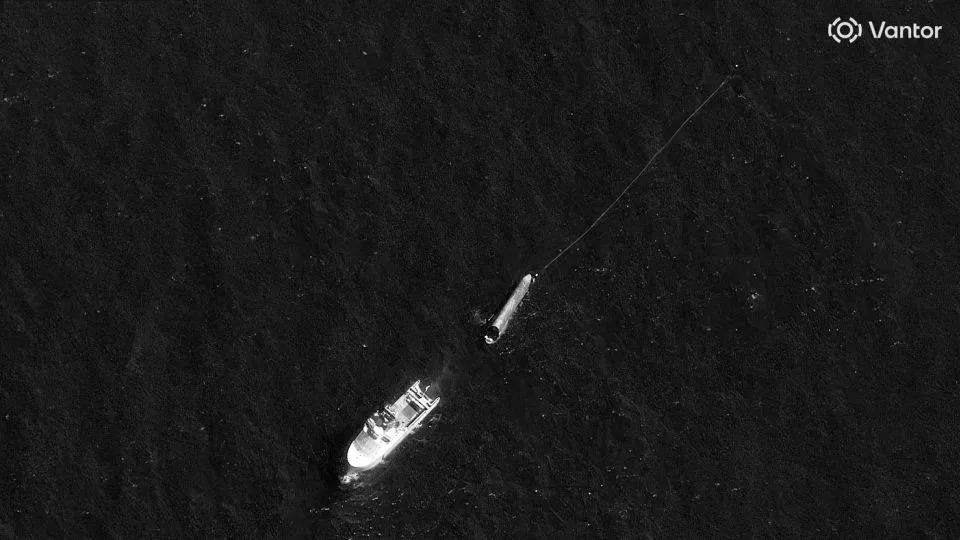
A satellite image taken on August 3 shows the Normand Ranger and SpaceX's Starship rocket. Attached to the nose of Starship is a long line. - Vantor
Why Ship 40 Floated
SpaceX did not expect to recover Ship 40, but the vehicle performed markedly better than earlier prototypes on July 24: all six Raptor engines remained functional through reentry, the vehicle maintained control during the violent descent, and it achieved what SpaceX called its softest splashdown yet at the planned ocean site. That gentler impact appears to have left the upper stage airtight, allowing it to float instead of sinking.
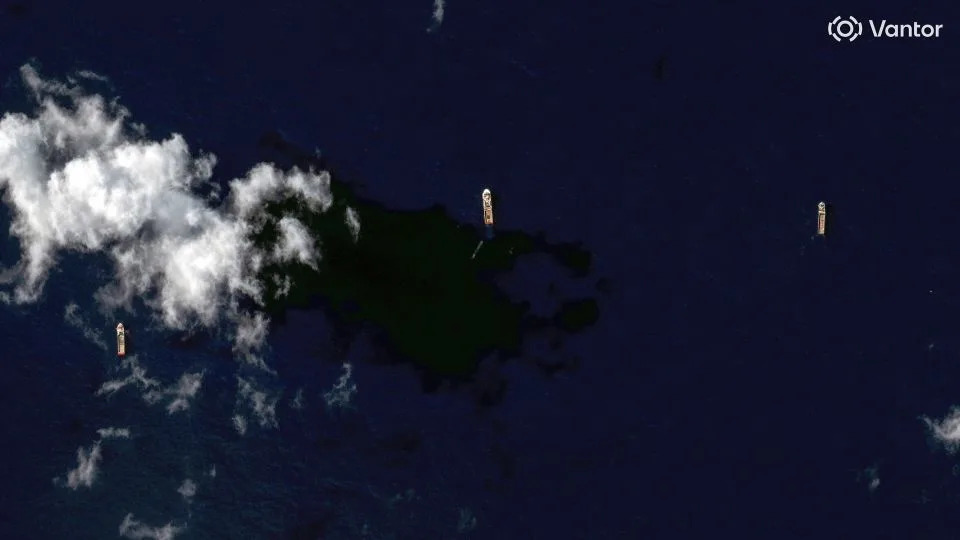
A satellite image taken on August 3 shows three ships working to recover SpaceX's Starship rocket. From left to right, they are Skimmer Tide, Normand Ranger, and Go Australis. - Vantor
Official Comments And Timeline
SpaceX spokesperson Dan Huot described the splashdown during the livestream as a "dream scenario." CEO Elon Musk confirmed on July 28 that SpaceX planned to recover the vehicle. Norwegian tugs Normand Ranger and Skimmer Tide subsequently joined the initial recovery ship Go Australis to attempt retrieval.
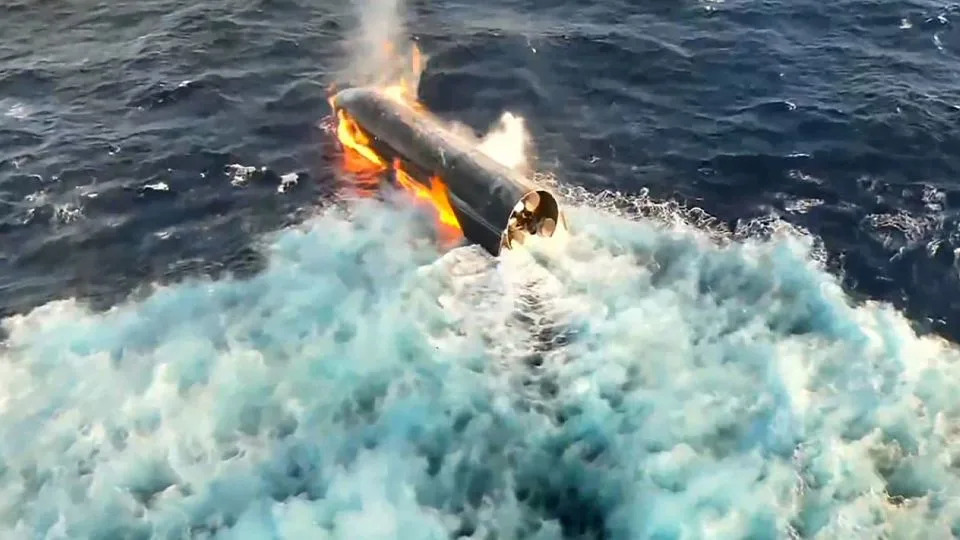
The SpaceX Starship is seen floating in the Indian Ocean after splashdown on July 24. - SpaceX
Technical Focus And Remaining Challenges
Engineers are analyzing Ship 40 throughout every phase of its flight, with particular attention on the hexagonal ceramic heat-shield tiles that protect the craft during reentry from orbital speeds that can exceed 17,500 miles per hour. Musk has praised improvements in the heat shield's performance, but significant challenges remain: achieving a rapid turnaround for the upper stage, ensuring it returns undamaged, and developing methods for on-orbit refueling.
Starship is central to SpaceX's long-term plans, from a lunar lander variant for NASA missions to launching Starlink and other satellites and, ultimately, ferrying humans to Mars. The program has seen a mix of dramatic successes — such as a 2024 Super Heavy booster return to the launch tower's capture arms — and serious setbacks, including explosive failures during testing in 2025.
Current Status
As of the latest satellite imagery and ship-tracking reports, crews had secured a line to Ship 40's nose, but public images do not make clear whether towing had begun. SpaceX continues to analyze telemetry and imagery; future flight and recovery plans will depend on data reviews. The recovery operation remains ongoing.
Bottom line: Satellite photos provide a rare, high-resolution look at an upper-stage recovery attempt — a step toward SpaceX's goal of rapid reusability, but significant technical hurdles remain.
Help us improve.





















