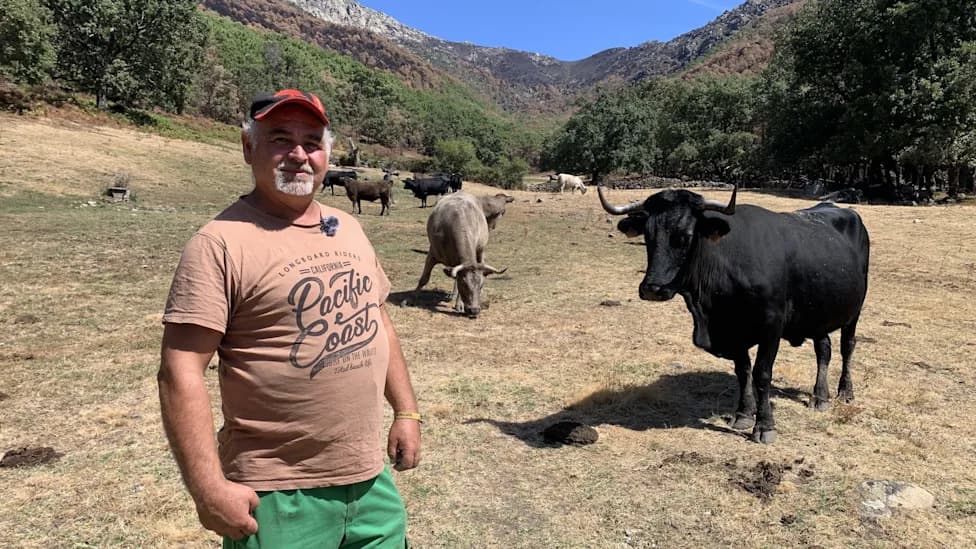
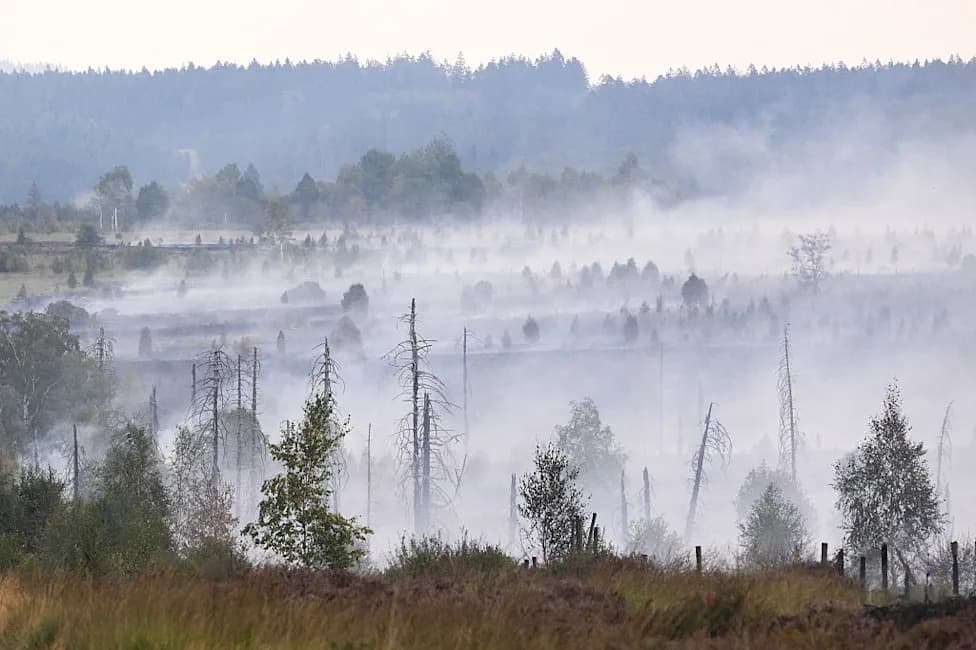
Two rapid studies link this week’s severe wildfires in Spain and France to long-term warming rather than only short-term weather. World Weather Attribution estimates warming made Spain’s extreme fire conditions roughly 20 times more likely and France’s about 2 times more likely. A Scientific Reports analysis finds Southern Europe now averages ~25 extreme fire-weather days per year (up from ~10) and those days are ~50% more intense than during 1981–2010. Researchers warn that escalating heat and drought can outpace firefighting capacity and point to fossil-fuel emissions as a key driver.
Studies: Long-Term Warming Greatly Raised Likelihood of This Week’s Wildfire Weather in Spain and France
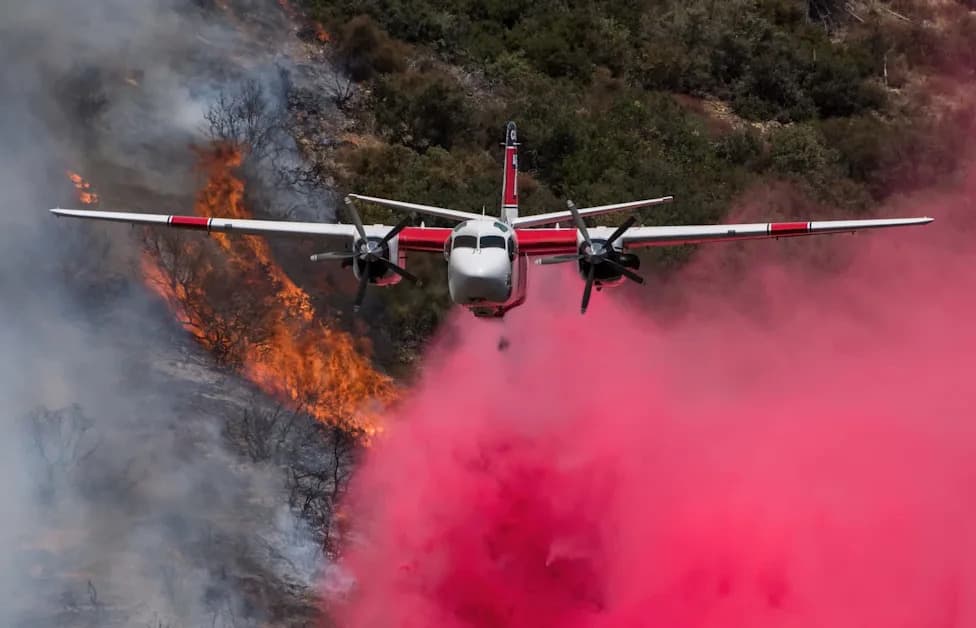
Photo Credit: iStock
Two rapid scientific analyses link this week’s devastating wildfires in Spain and France to sustained warming — not just short-term bad luck or a single heat spike. Researchers found that higher average temperatures over recent decades substantially increased the odds of the hot, dry, windy conditions that let the blazes spread so quickly.
What the Studies Show
World Weather Attribution completed a rapid analysis while the fires were still active and estimated that planetary warming made the conditions behind Spain’s record-sized inferno about 20 times more likely and made the extreme fire conditions linked to the French fires roughly twice as likely. The authors examined how temperature, drought, humidity and wind combine to create dangerous fire weather.
A complementary study published in Scientific Reports (July 30) found that Southern Europe now experiences about 25 days per year of extreme fire weather, up from roughly 10 days in earlier decades, and that those extreme days are approximately 50% more intense than during 1981–2010.
Numbers And Local Context
The researchers also reported that warming over the last 26 years has roughly tripled the odds of severe fire-risk conditions in Spain and raised those odds in France by about 40% based on longer-term trends. Local factors — such as land abandonment in parts of Spain leaving more unmanaged dry vegetation — can amplify the risks created by hotter, drier weather.
Voices From The Studies
“The change in these fire weather conditions in Spain is really extremely strong and is, I think, one of the largest changes that I’ve seen,”
— Friederike Otto, Imperial College London and coordinator of World Weather Attribution.
“It doesn't matter how many resources or how much money you have, you just cannot stop the propagation of a fire when the weather is so extreme,”
— Raúl Cordero, University of Groningen and lead author of the Scientific Reports paper.
John Abatzoglou, a wildfire scientist at the University of California Merced, added that the findings show climate change is already driving more severe hazards, not just a future risk.
Why This Matters
When extreme heat and drought coincide, soils and vegetation dry rapidly, making fuels far more flammable and enabling fires to spread with astonishing speed. The consequences extend beyond burned areas: deadly fires destroy homes, force evacuations, degrade air quality even far from flames, disrupt transport, overwhelm emergency services, and damage agriculture and local economies.
The studies warn that weather conditions fueling these blazes are becoming so extreme that firefighting capacity alone may not be sufficient. They also highlight mitigation pathways: improved land management and suppression reduced burned area in past decades, but long-term progress can be eroded by warming. Most broadly, the research underscores the role of fossil-fuel emissions in driving global temperature increases and worsening fire weather.
Takeaway
Faster attribution science gives governments and communities earlier insight into the climate drivers of unfolding disasters. The research strengthens the case for both better local land and fire management and for rapid reductions in greenhouse gas emissions to limit future increases in extreme fire-weather conditions.
Help us improve.