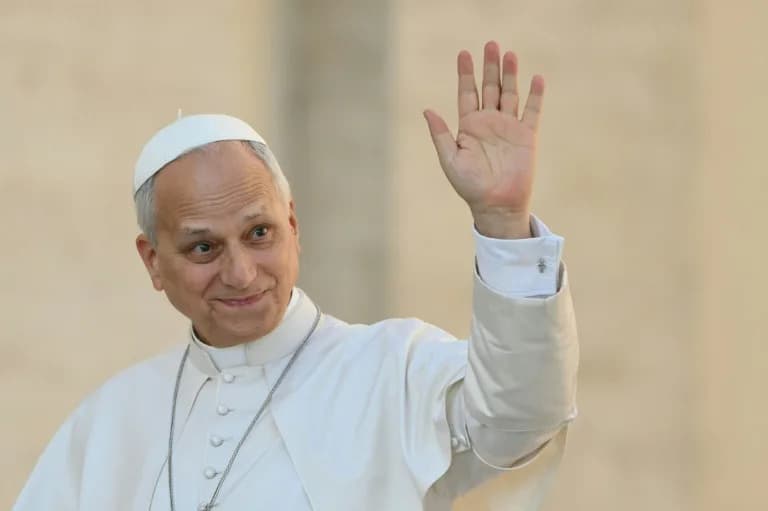
During a July visit to the Vatican, the author observed widespread optimism surrounding Pope Leo, the first American pontiff. Romans and Vatican insiders described a younger, unifying leader who has energized expectations for action. In an NBC interview, the pope said he is "the pope who happens to be American" and stressed his primary role as pastor of a universal Church. His two decades in Peru, fluent Spanish and Peruvian citizenship (2015) have shaped his pastoral outlook.
Inside the Vatican: Reflections on the First 'American' Pope and a New Breeze of Hope
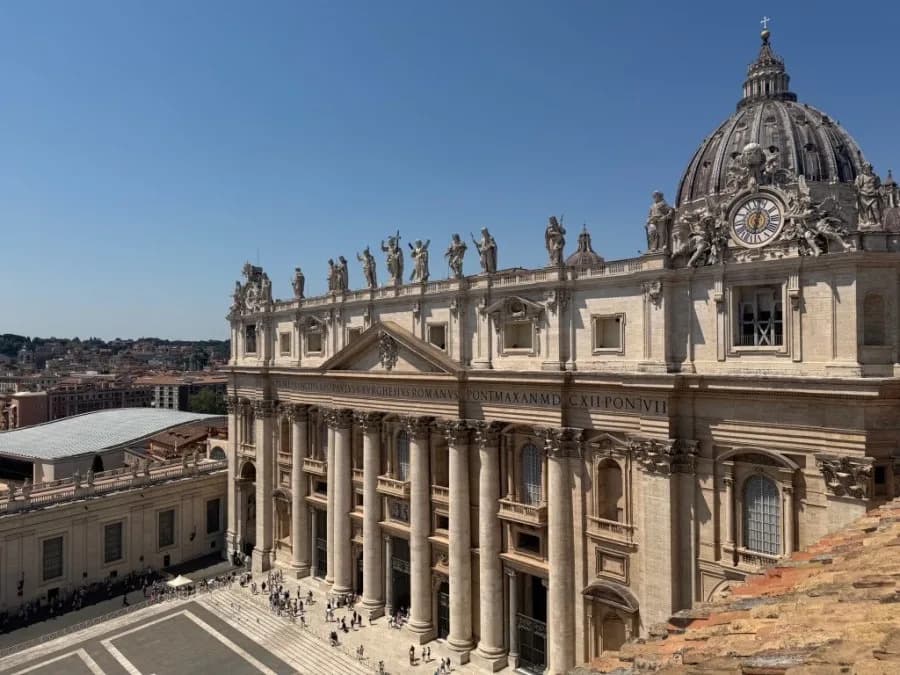
In July, I passed through the Bronze Door into the Vatican under intense heat and the watchful presence of the Swiss Guard. St. Peter's Square was packed, and throughout my short stay in Rome one impression kept returning: the election of the first American pope has brought a palpable sense of energy and expectation to the Eternal City.
Everywhere I went, people mentioned his name. Romans — who treat the pope as a hometown figure and who welcome millions of pilgrims and tourists each year — spoke with renewed interest. Vatican journalists and Italian acquaintances described a mood of hope and novelty around a younger, vigorous leader who appears to be unifying the Church and resonating with a broader public.
A longtime friend of mine, a priest with decades of service in the Vatican, shared the same excitement and joyful anticipation for this pontificate. There is a common feeling that, as the first American pontiff, Pope Leo brings fresh momentum and an appetite for action.
America And A Universal Mission
The pope has been careful to reframe how his nationality should shape perceptions of his role. In a recent interview with NBC's Tom Llamas, the Chicago-born pontiff stressed that he sees himself primarily as the leader of a universal Church rather than solely as an American representative.
"I think of myself more as the pope who happens to be American. Not to belittle what it means to be an American. I was born in the United States, my family is still in the United States. I have great love for America."
He immediately clarified how he will prioritize his responsibilities on the global stage, emphasizing the pastoral duty to speak to people throughout the world.
"But I understand my mission, having a very important dimension, which is precisely being pastor of a universal church and having a voice and opportunity to speak to people throughout the world. So, I will put things in that order."
The pope also acknowledged what he admires about the United States: freedom, opportunity and diversity. He invoked his family background — noting that his grandparents were immigrants and that, on his mother’s side, the family history includes both enslaved people and slaveowners — a complex heritage that has informed his perspective and sensitivity to human dignity.
Pastoral Formation In Peru
Much of Pope Leo’s pastoral experience was formed outside the U.S. He spent roughly two decades living and working in Peru as a missionary and later as a bishop and archbishop. Fluent in Spanish, he has called Peru "mi segunda patria" and became a Peruvian citizen in 2015. His biographer, Elise Allen, who received his first public interview, reports that many Peruvians consider him one of their own.
As Americans rightly take pride in an historic first, the pontiff’s words and record remind observers that his mission is supernatural and universal: his identity extends beyond national borders, grounded in pastoral care for people worldwide.
What To Watch: How Pope Leo balances priorities rooted in his American background with the demands of leading a global Church will shape both Vatican policy and the Church’s public presence in coming years.
Help us improve.