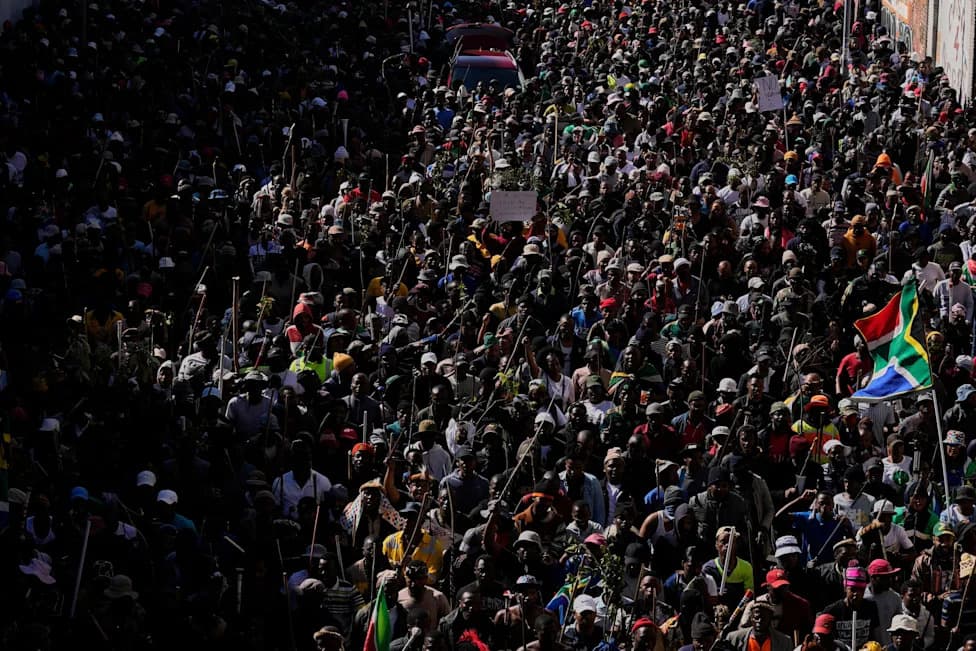
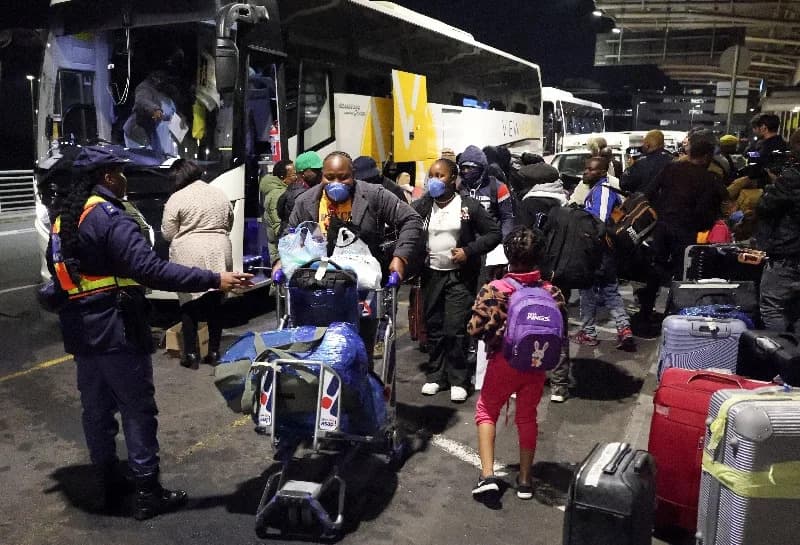
Richard Itoro, a 47-year-old Nigerian businessman, left Johannesburg in June amid escalating anti-migrant protests, taking a voluntary repatriation flight and leaving behind his wife and twin children. Despite claiming legal residency, Itoro and others say they faced harassment, fueling diplomatic tensions between South Africa and countries such as Nigeria and Ghana. Viral videos and at least one death during an arrest have intensified international concern, while high unemployment in South Africa is cited as a driver of the unrest.
‘I Left My Wife And Twins Behind’: Nigerian Businessman Flees South Africa As Anti‑Migrant Protests Surge
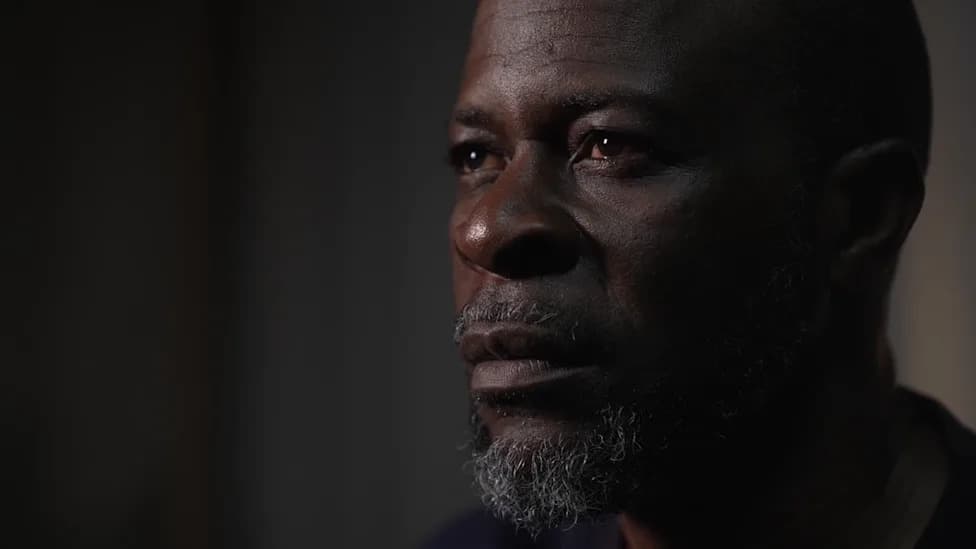
Richard Itoro says returning to Nigeria and starting again was the better option [BBC]
Fearing for his safety as anti-migrant protests intensified across South Africa this year, 47-year-old Richard Itoro boarded a voluntary repatriation flight to Nigeria in June — leaving behind the wife and twin children he had built a life with in Johannesburg.
Itoro had spent more than 15 years building a car-dealership business, buying a home and raising a family. Yet, despite holding documentation he says proved his right to remain, he says he became the target of harassment and threats — and that his South African wife was intimidated by neighbours who demanded they leave.
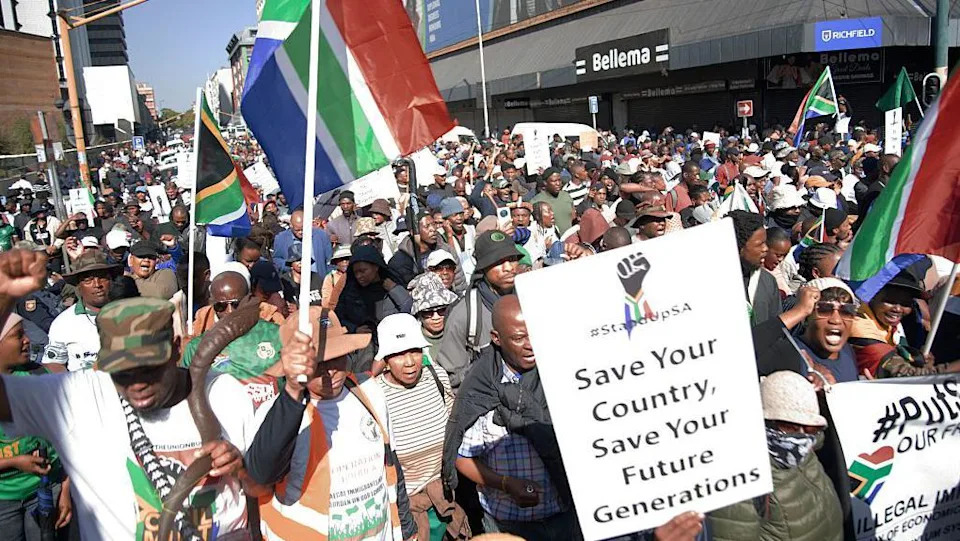
Marches calling for undocumented migrants to leave reached a crescendo at the end of June [Gallo Images via Getty Images]
“It was painful for me to leave the person who's my best friend,” Itoro told the BBC, fighting back tears. “My family was just a small family, which was beautiful and peaceful. I had no issues with anybody.”
He describes the scene at the airport as surreal: staff at the Nigerian High Commission declined to let his wife and children board with him, and he watched the car that carried him drive away while wishing he had comforted his wife more. The decision to leave was driven by fear rather than desire — “If I go home and start all over again, it's better than being here, being harassed, being scared for my life,” he said.
Wider Exodus And Diplomatic Fallout
Itoro’s story is one of many that have strained relations between South Africa and other African countries. Tens of thousands of foreign nationals have reportedly left South Africa over recent weeks, with several governments organising repatriation flights for their citizens.
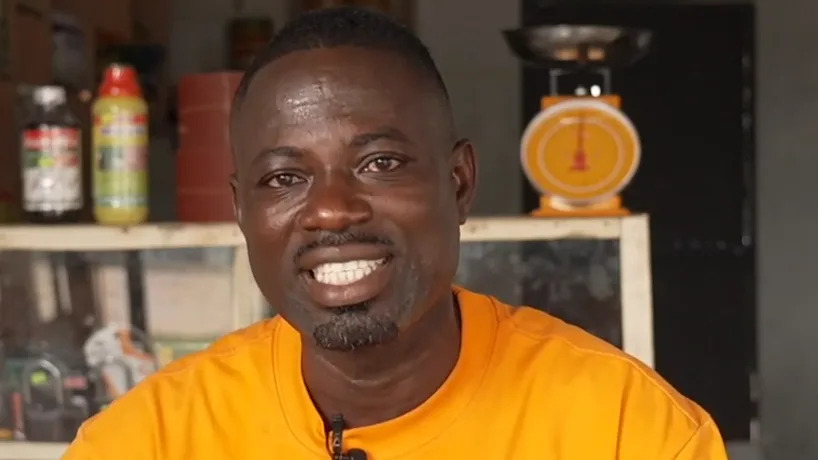
Ghanaian Emmanuel Asamoah was working as a hairdresser in South Africa [BBC]
Nigeria, Ghana and Malawi have all protested the treatment of their nationals. Nigerian officials say they have records of citizens with legal papers who were nonetheless attacked. South Africa’s Foreign Minister Ronald Lamola and other officials have stressed the country’s right to enforce immigration laws but also condemned vigilante behaviour.
Incidents That Sparked Outrage
Social media footage has amplified international concern. One widely shared and verified video showed Ghanaian hairdresser Emmanuel Asamoah being confronted and told to return to Ghana. Asamoah, who says he had permission to stay, returned to Ghana in May and has since launched a small business there.
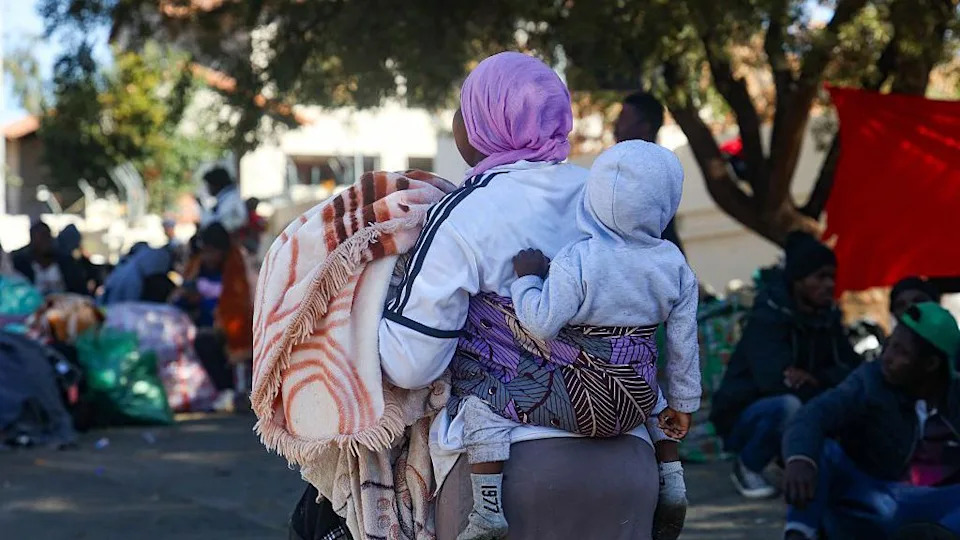
As well as Ghana and Nigeria, Malawi also organised transport for its citizens to leave South Africa [Gallo Images via Getty Images)]
Tensions were further inflamed after the death of a Nigerian man who died while being arrested on suspicion of drug offences; an independent inquiry is under way. South African politicians, including Culture Minister Gayton McKenzie, have framed the protests as a response to undocumented migration and severe domestic unemployment — the jobless rate stands above 30%.
Human Cost
Beyond politics and headlines, families remain fractured. Many returnees describe the emotional toll of leaving homes, businesses and loved ones behind. In Lagos, Itoro said he speaks with his family every day and hopes his wife can join him soon, but he described the feeling as “like I lost everything.”

[BBC]
The series of incidents has prompted calls for accountability, clearer immigration enforcement that respects human rights, and renewed diplomatic engagement to protect citizens and restore regional trust.
Key Developments: voluntary repatriations for foreign nationals; allegations of attacks on legally resident migrants; social media footage amplifying incidents; diplomatic discussions between South Africa and affected countries; investigations into deaths and attacks linked to recent unrest.
Help us improve.