Overview: Iran says it is negotiating with Oman to secure a temporary maritime corridor through the Strait of Hormuz to restart commercial shipping, and denies it is talking directly with the US. President Trump said he called off planned "massive" strikes to allow diplomacy and claimed negotiations are underway. Oil prices fell sharply after the announcement, and vessel traffic through Hormuz has slowed. Earlier mediated talks collapsed last month, ending an April ceasefire.
Iran Says It's Negotiating With Oman — Denies Direct Talks With US After Trump Announces Renewed Negotiations
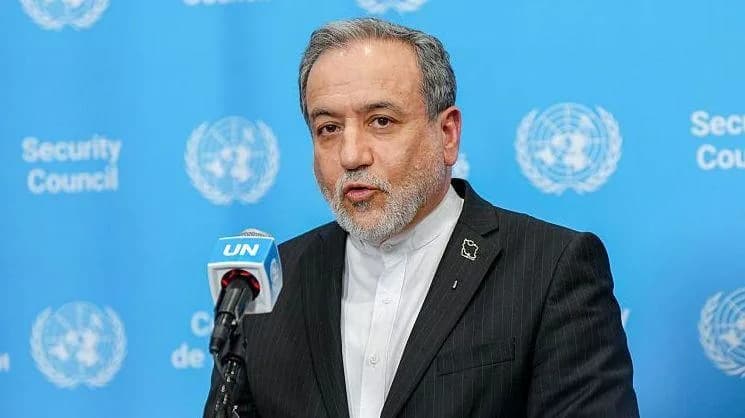
Iran says it is negotiating with Oman to reach an "understanding" that would reopen a temporary route through the Strait of Hormuz and allow commercial shipping to resume. Tehran stressed it is not holding direct talks with the United States, despite US President Donald Trump's public assertion that negotiations are underway.
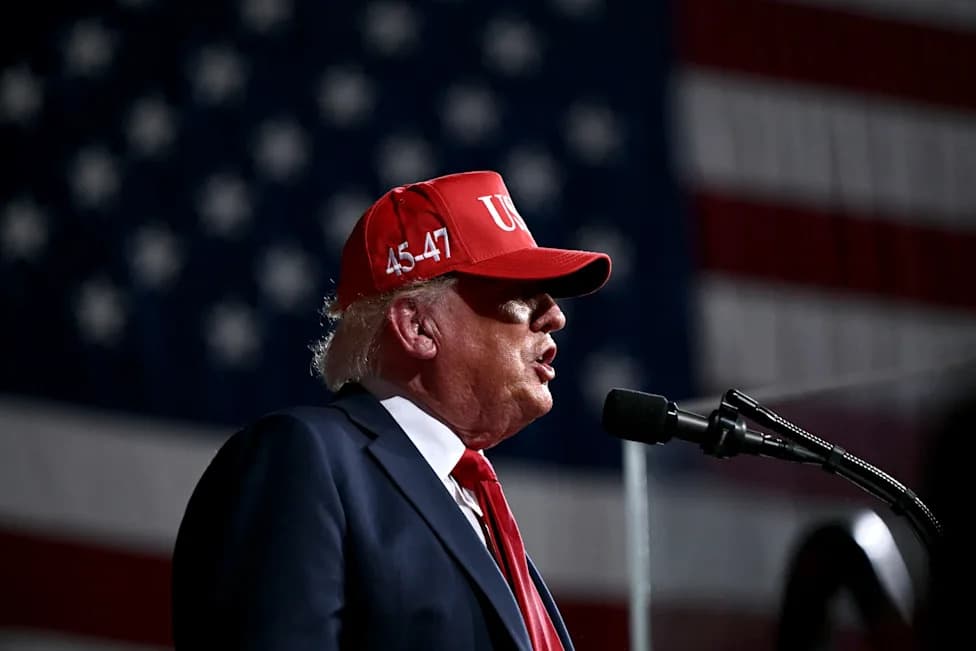
Mr Trump said he had called off "massive" strikes to give diplomacy a chance and claimed new negotiations to end the conflict would begin imminently. Speaking at the White House, he maintained that talks were taking place and warned Iran this could be "the last chance for them to sign a good document."
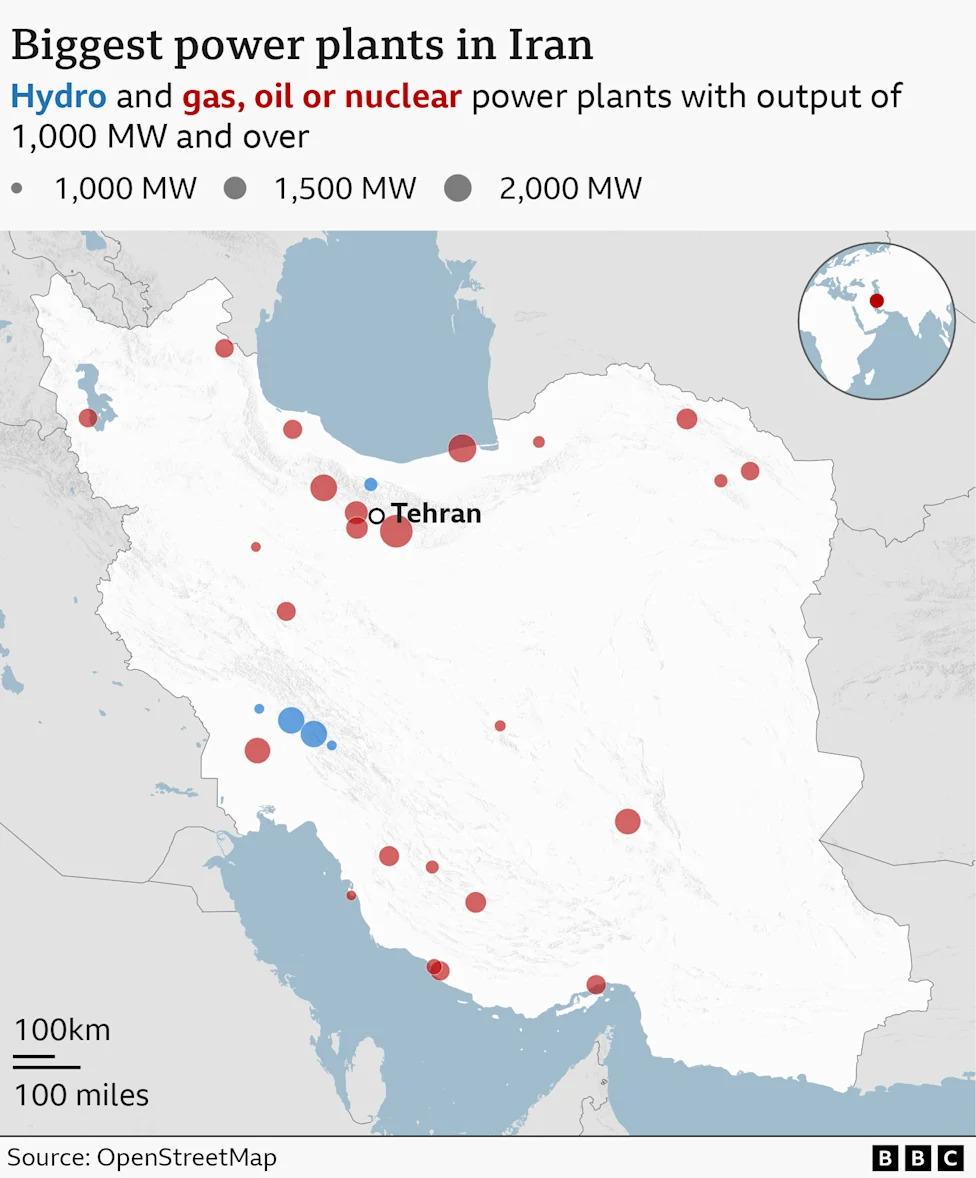
A map of Iran showing the location of hydro, gas, oil or nuclear power plants.
"They're going on right now... this is the last chance for them to sign a good document," Mr Trump told reporters.
What Iran and Oman Say
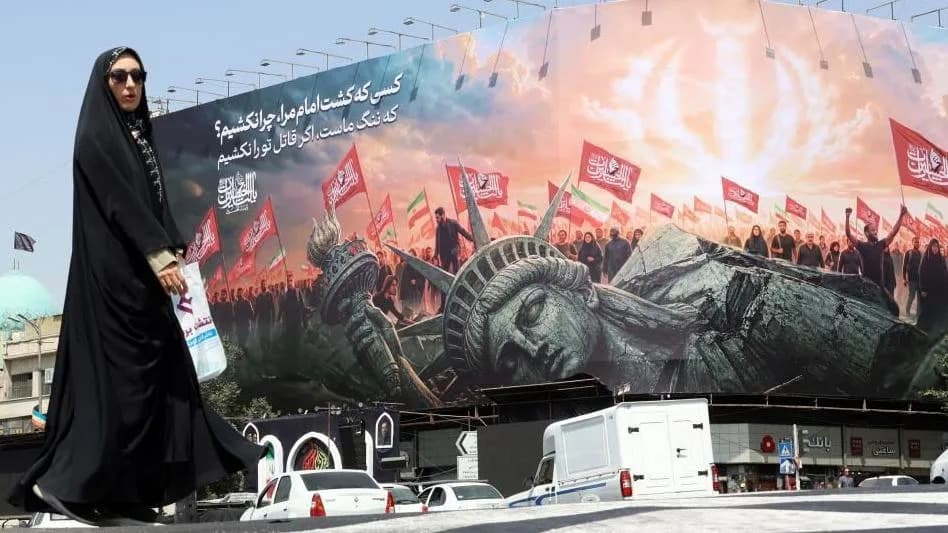
Iran described its discussions with Oman as a regional effort to establish a temporary safe passage through the Strait of Hormuz for commercial vessels. Tehran denied any intention to negotiate directly with Washington, a stance it said was driven by domestic political considerations and the involvement of hardline elements opposed to concessions.
US Position and Regional Pressure
Mr Trump said he called off planned strikes at the urging of regional partners, including Saudi Arabia, the United Arab Emirates and Qatar. He earlier claimed Iran "knew the extent" of the planned strikes because they were visible as they were being prepared. The White House has frequently accused Iran of sending mixed public and private signals about its willingness to negotiate.
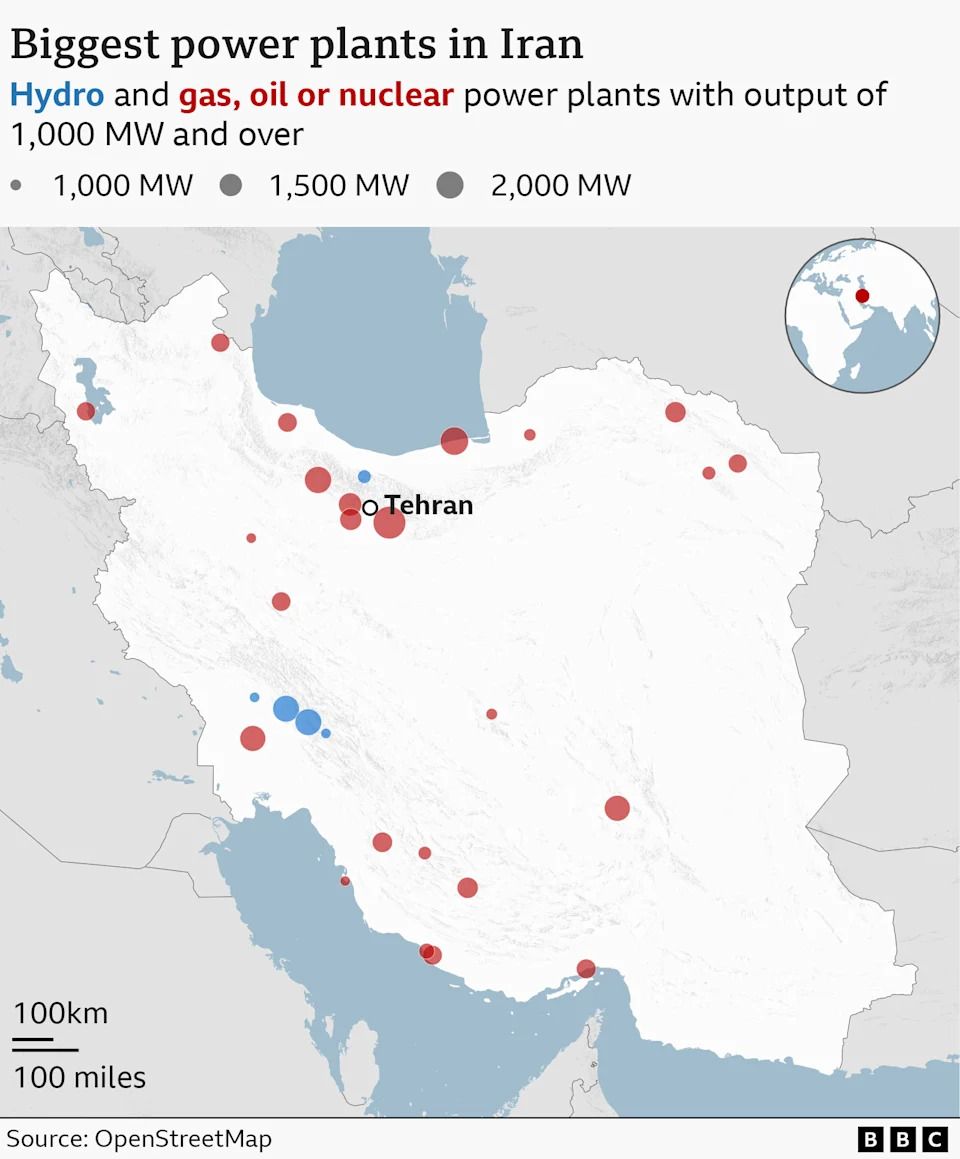
[BBC]
Economic And Shipping Impact
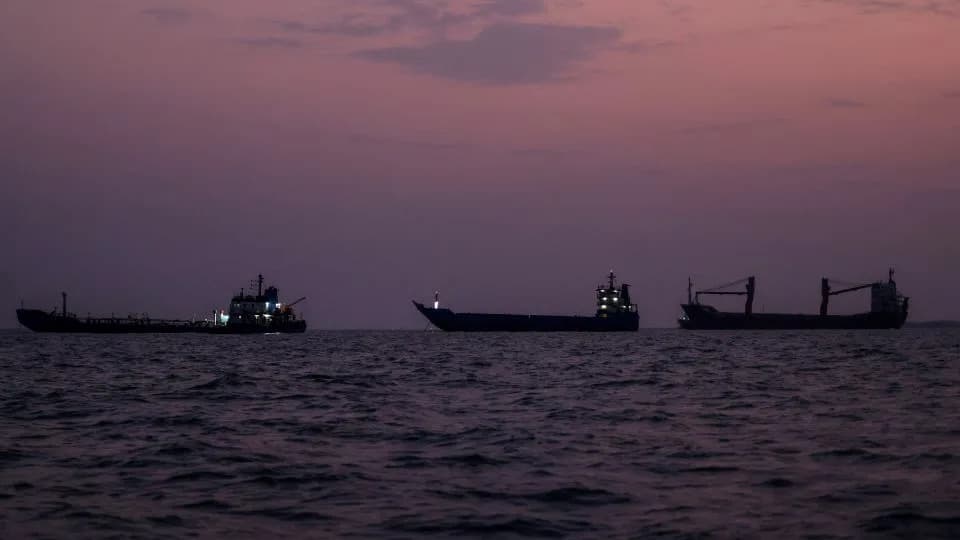
Global oil prices fell after Mr Trump's announcement. Brent crude was reported down about 4.5% to $83.98, while US-traded crude fell roughly 4.6% to $80.74. Energy markets have been volatile since the conflict began on 28 February, reacting to repeated disruptions in shipping through the Strait of Hormuz, a chokepoint through which roughly 20% of the world's crude oil and liquefied natural gas normally passes.
Data from trade-intelligence firm Kpler suggested commercial shipping through the strait slowed: there were 51 vessel crossings between 30 July and 2 August, a drop of roughly 28% compared with 71 crossings recorded in the four previous days.
Diplomacy So Far
Mediated talks that produced a ceasefire in April collapsed last month, ending hopes of a longer truce. Mr Trump has repeatedly said a negotiated end to the conflict is near, but exchanges of tit-for-tat strikes have continued. Polling indicates public support for the conflict is weak in the United States, which could complicate political backing for any military escalation.
The situation remains fluid: diplomatic efforts with regional partners, statements from Tehran and Washington, and market reactions will all influence whether a temporary maritime route is reopened and whether more substantive negotiations follow.
Help us improve.