President Trump said he has decided on a "punishment" for Canada over wildfire smoke that has worsened air quality across the U.S., but gave no details. He has suggested additional tariffs and blamed Canadian forest management, while scientists point to climate change as a major driver of more intense fires. As of Aug. 2, Canada reported 838 active fires, with 165 "out of control." Smoke affected air quality in many U.S. states, and Washington state is also battling large blazes that have forced mass evacuations.
Trump Says He Has Picked a 'Punishment' for Canada Over Wildfire Smoke — Details To Come
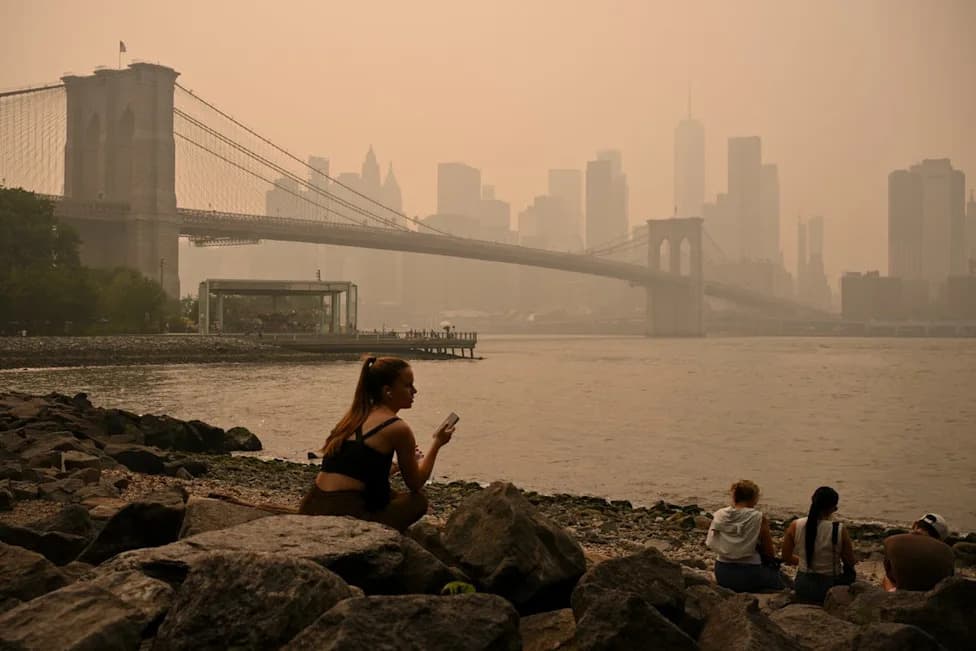
Trump says he’s decided on a punishment for Canada over wildfire smoke blanketing the US: ‘You’ll find out’
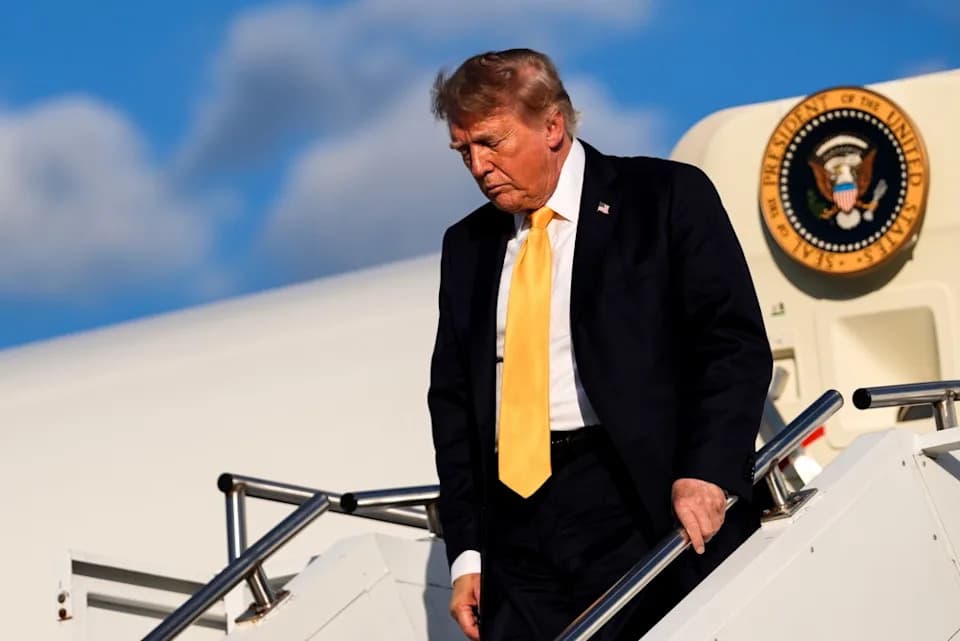
President Donald Trump told reporters aboard Air Force One that he has decided on a "punishment" for Canada over wildfires whose smoke has recently degraded air quality across large swaths of the United States, but he did not provide details.
When asked, "On Canada, have you decided on a punishment yet for the wildfire smoke?" the president replied, "I have, yeah. You'll find out about it." He offered no further specifics during the brief gaggle.
Trump has previously threatened to impose additional tariffs on Canada, saying the U.S. is being "unnecessarily invaded by filthy, polluted and unhealthy air." He accused Canada of failing to carry out "basic Forest Management and Debris Removal," calling the situation "Willful Negligence" that he says costs the United States billions of dollars.
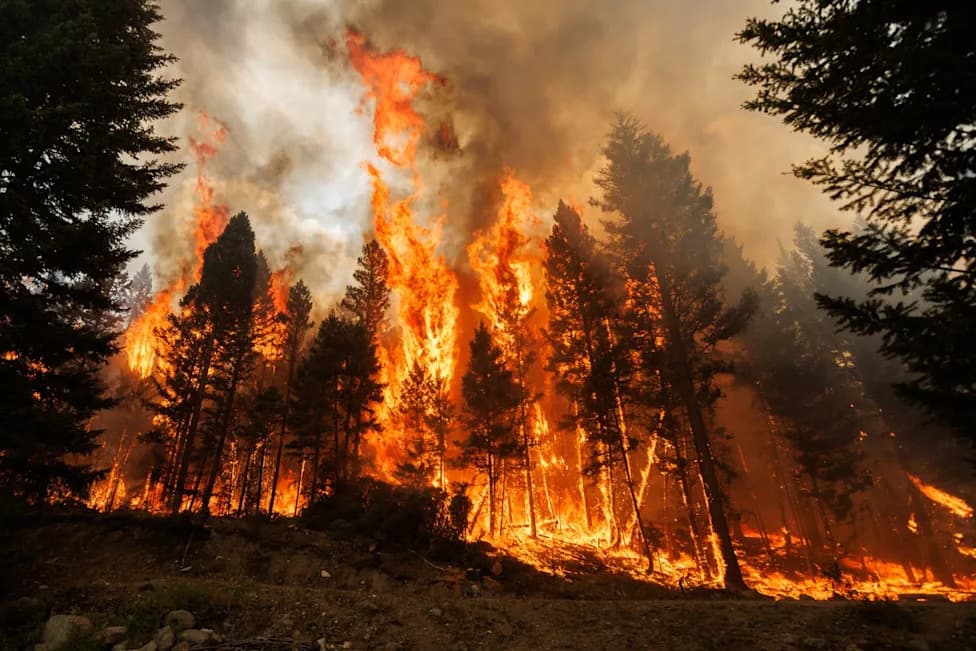
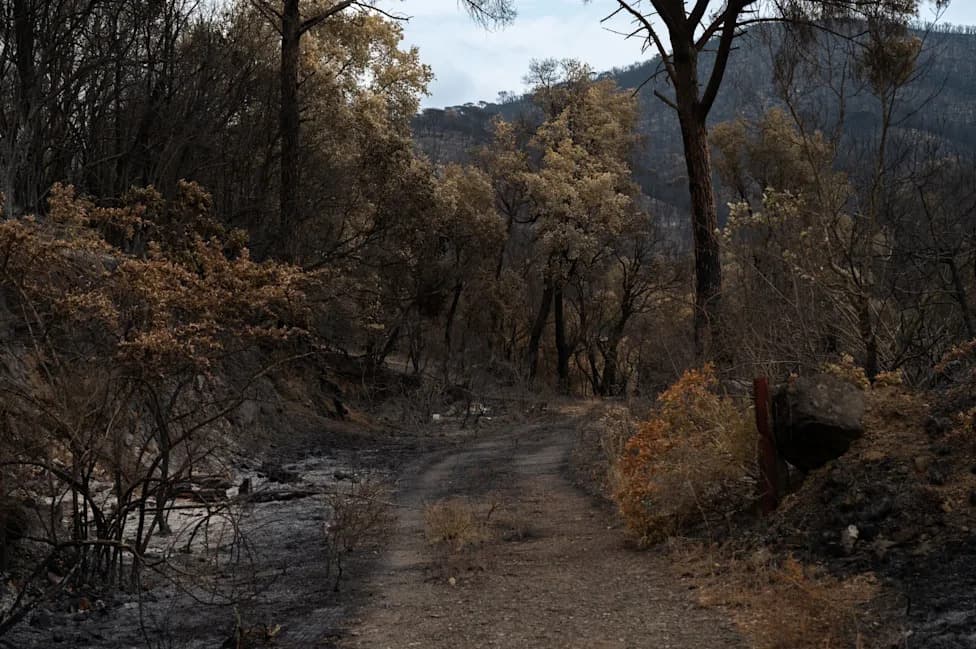
As of Aug. 2, the Canadian Interagency Forest Fire Centre reported 838 active fires in Canada, with 165 classified as "out of control." Many of those blazes have produced smoke that crossed the border and triggered air-quality alerts in dozens of U.S. states.
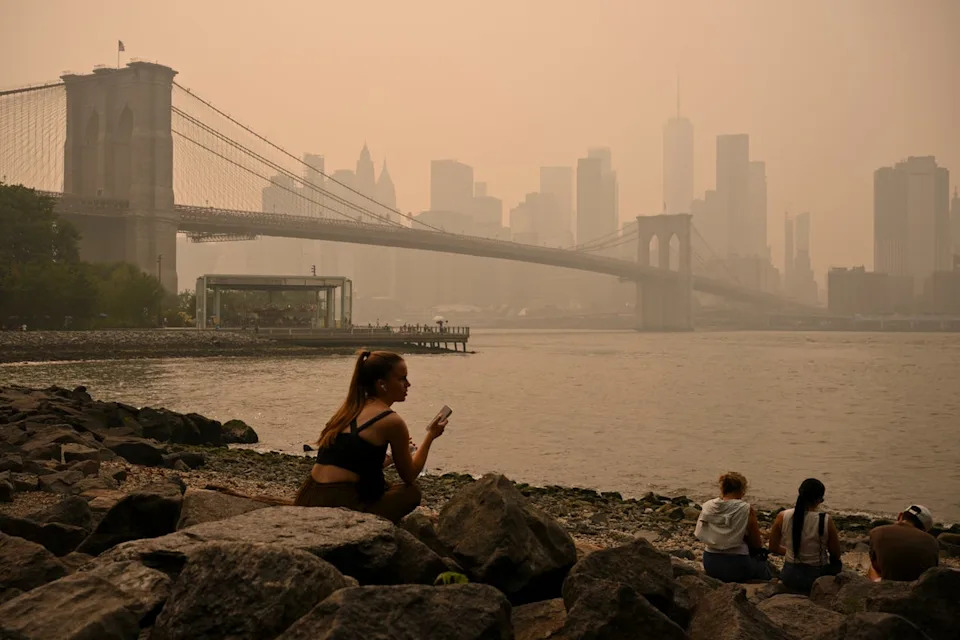
President Donald Trump said he would soon reveal his 'punishment' for Canada over the wildfires that have blanketed parts of the US with smoke in recent weeks, triggering air quality warnings across the country (AFP/Getty)
Context: Climate, Management and Policy
Most scientists and wildfire experts point to climate change as a primary factor driving more frequent and intense fires, along with higher temperatures, drought and other extreme weather that make blazes harder to control. While Trump has emphasized Canadian forest management as the cause of cross-border smoke, experts say the problem is complex and includes broader climatic trends.
Independent Vermont Sen. Bernie Sanders criticized the president's framing on social media: "No, Mr. Trump, Canada is not 'poisoning our air.' Climate change is fueling more wildfires, heat waves, floods and other extreme weather." Sanders urged the administration to confront major fossil-fuel interests that drive the climate crisis.
U.S. Impacts and Domestic Fires
Smoke from Canadian fires produced hazardous air-quality readings across the U.S. last month. At the same time, the United States is fighting its own blazes: in Washington state, three large fires near Spokane have forced tens of thousands of residents to evacuate.

Trump renewed his threats against Canada Sunday evening in a gaggle with reporters aboard Air Force One. 'You'll find out about it,' he told a reporter of his plans (Getty)
Forecasts indicated smoke from the Pacific Northwest would push westward, affecting air quality in Portland and Salem, Oregon, and reaching parts of the California coast.
Washington Governor Bob Ferguson said he spoke with the president about the fires over the weekend: "The President is aware of the situation, and expressed his concern for the people of Washington during this difficult time. We will be working together on additional requests for federal assistance."
What’s Next
Trump’s comments make clear he intends to announce some form of response, and he has previously mentioned tariffs as a potential tool. Details, timing and whether any international or legal mechanisms would back such measures remain unclear. Observers note that attributing cross-border smoke to a single policy failure oversimplifies a problem shaped by climate trends, land management practices and the increasing severity of wildfire seasons.
Help us improve.