
Researchers attached combined sound-and-movement suction-cup tags to 16 singing humpback whales off Maui (2018–2024) and linked complete song structures to full dive cycles. Some males sang continuously for up to 16 hours, and recurring song themes reliably matched specific dive phases. Themes at the deepest, steadier parts of dives were more variable—suggesting sexual selection—while other themes appear constrained by physiological needs. The findings suggest acoustic recordings could be used to infer whale depth and detect human-caused disturbances.
Study: Humpback Whales Can Sing Continuously For Up To 16 Hours — Song Patterns Mirror Dive Behavior
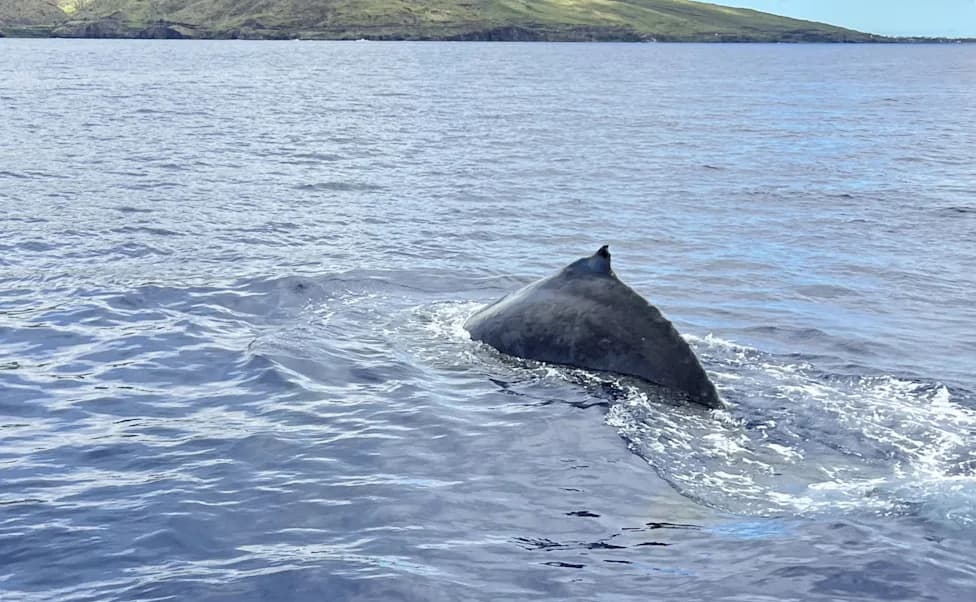
(SWNS)
A new study shows that a humpback whale's dive behavior strongly shapes the structure of its song. By pairing sound recordings with movement data from suction-cup tags, researchers linked complete song sequences to full dive cycles for the first time.
How the Study Was Done
Lead author Julia Zeh and colleagues attached small, non-invasive suction-cup tags that record both sound and movement to singing humpback whales off Maui between 2018 and 2024. The tags — roughly the size of a tablet — were deployed from small boats using poles and drones, recorded as the whales sang and swam, then detached and were retrieved for analysis. The team successfully tagged 16 males selected to represent the broader Hawaiian breeding population.
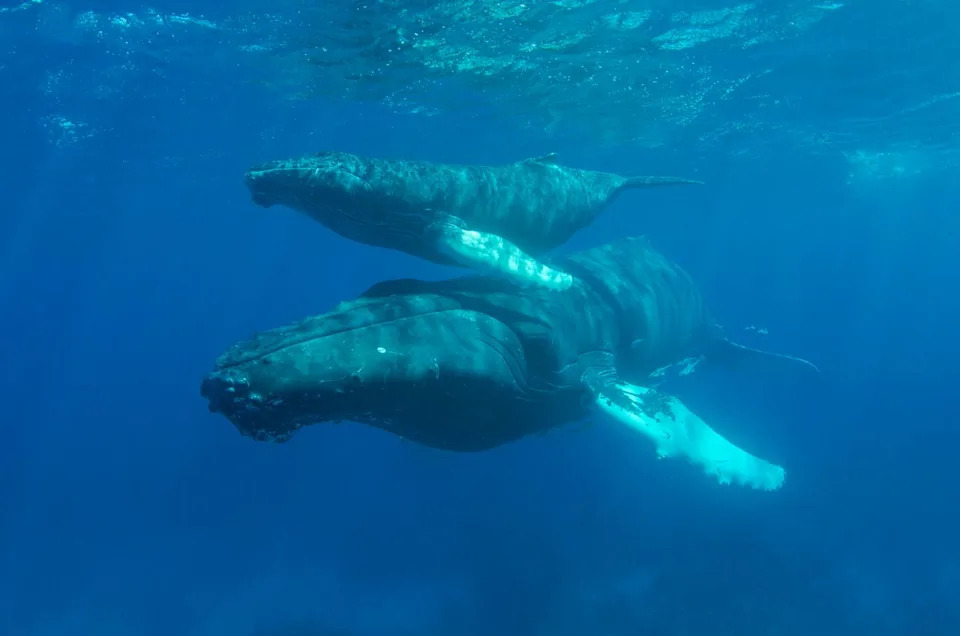
(Photo by Ben Phillips via Pexels)
Key Findings
Some males sang continuously for as long as 16 hours without stopping. Importantly, recurring elements of humpback song — called themes — consistently aligned with particular phases of the dive cycle. Themes performed during the deepest, steadier portions of dives showed greater variability than themes sung during other dive phases, suggesting those deep-dive sections may be shaped more by sexual selection. Other themes appear to be constrained by physiological or environmental needs, such as oxygen management and buoyancy while vocalizing.
"This gives us direction for which parts of the song to investigate if we're interested in variation, which is likely driven by sexual selection," Zeh said. "Variation concentrated near a whale's deepest points may be where males need to make their songs stand out most."
Why It Matters
Linking song structure to dive behavior provides fresh insight into the biological and evolutionary drivers of one of the animal kingdom's most elaborate acoustic displays. Practically, because passive acoustic monitoring is widely used to survey whales, these patterns could allow researchers to infer a singing whale's depth or position from sound recordings alone. That capability would improve baselines of normal behavior, making it easier to spot disturbances from human activities such as shipping noise and vessel traffic.
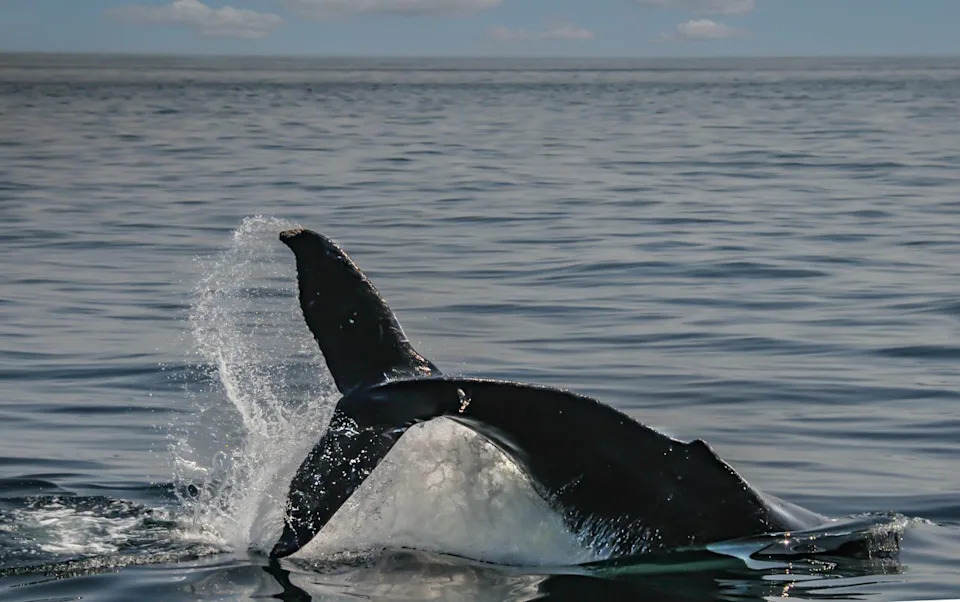
(Photo by Frans van Heerden via Pexels)
Limitations and Next Steps
The study focused on a Hawaiian breeding population; whether the same relationships between song themes and dive phases hold across global humpback populations remains an open question. Differences in song evolution between hemispheres suggest population-level variation is possible. Testing the generality of these results will require comparable tag deployments on breeding grounds worldwide.
Research Context
Zeh conducted the research as part of her doctoral work at Syracuse University's College of Arts and Sciences within the Bioacoustics and Behavioral Ecology Lab led by Susan Parks. The study was published in Current Biology and demonstrates a novel combination of bioacoustic analysis and biologging applied to humpback whale song.
Help us improve.





















