Stanford researchers used an AI called Peptide Predictor to scan ~20,000 genes and identified BRP, a 12‑amino‑acid peptide produced naturally in the body. In cells BRP increased neuronal activity ~10x versus GLP‑1’s ~3x, and in mice and minipigs a single injection cut food intake by up to 50% with modest fat loss and no reported nausea‑like effects. Key unknowns remain: the peptide’s receptor is unidentified, no human data exist, and stability/delivery challenges must be solved before clinical trials.
AI Finds Natural Peptide That May Replicate Ozempic’s Appetite Effects — Without the GI Side Effects (Preclinical)

Image: Deposit Photos
Researchers at Stanford Medicine used a focused AI tool to search the human genome for hidden hormone fragments and identified a short, naturally occurring peptide that strongly suppresses appetite in animal models. The study, published in Nature, highlights both a promising new lead for obesity treatment and the long road ahead before any human use.
How the Discovery Was Made
Peptide Predictor, an algorithm trained by the Stanford team, scanned roughly 20,000 protein‑coding genes to predict where cellular enzymes might cleave prohormone proteins into signaling peptides. From that search the AI flagged 373 candidate prohormones, generated about 2,683 possible peptides and shortlisted 100 for laboratory testing. The top hit was BRP (BRINP2‑related peptide), a 12‑amino‑acid peptide produced endogenously in the body.
Preclinical Results
Cell activity: In neuron‑like cells BRP produced roughly a tenfold increase in activity compared with a threefold increase seen with GLP‑1, according to the Nature paper.
Appetite suppression: A single injection reduced food intake by as much as 50% within one hour in both lean mice and in minipigs.
Fat‑specific weight loss: In obese mice treated with BRP, researchers observed about a 3‑gram reduction in body fat over 14 days while control animals gained a similar amount.
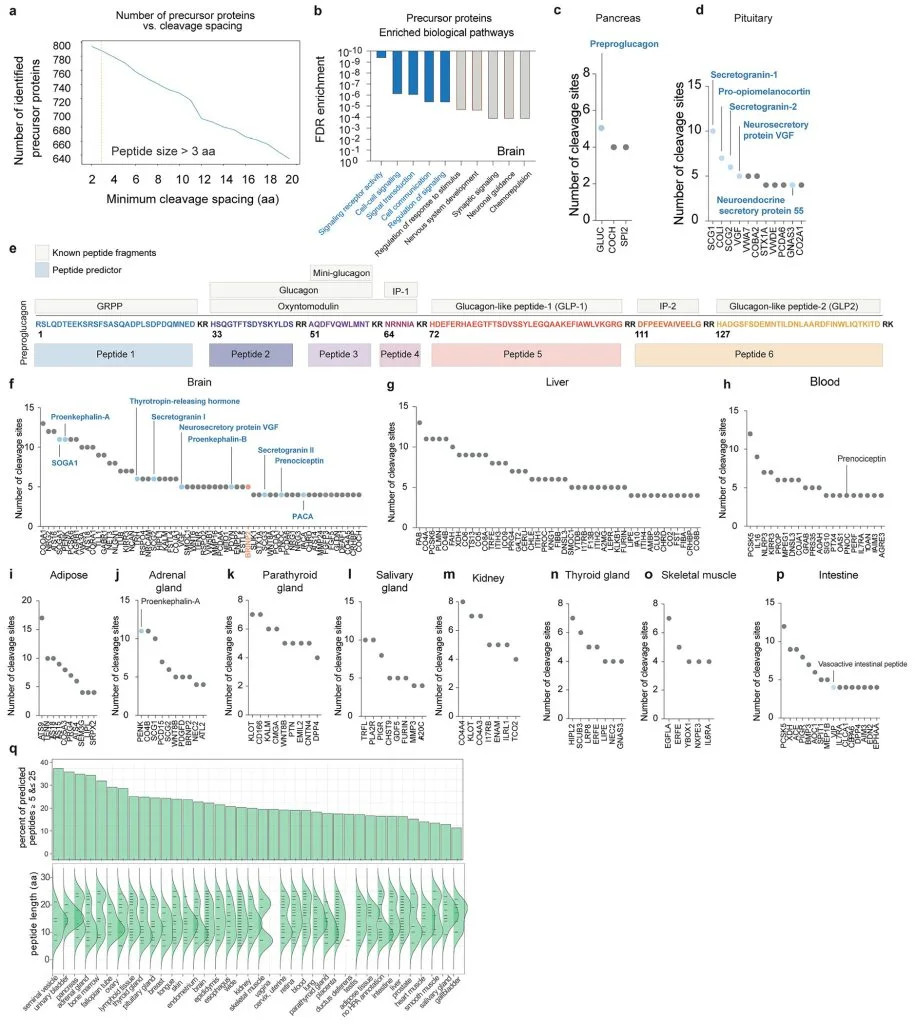
Extended Data Fig. 1 |. Peptide Predictor maps a large group of proteolytically processed human peptides. Image: PMC
Metabolic effects: Measures of glucose and insulin tolerance improved in animals treated with BRP, apparently without engaging GLP‑1 signaling pathways.
Side‑effect profile (animal data): In the reported studies investigators observed no detectable nausea‑like behaviors, no constipation and no meaningful loss of muscle mass.
Mechanism and Unknowns
Unlike semaglutide (Ozempic), which activates GLP‑1 receptors distributed across the gut, pancreas and brain, BRP appears to act more narrowly on the hypothalamus — the brain’s appetite control center. The peptide’s exact receptor has not yet been identified, and the molecular pathway that mediates its effects remains under investigation.
Practical Challenges and Next Steps
Key limitations are that all results so far are preclinical (mice and minipigs) and BRP’s receptor is unknown. Small peptides are typically unstable in the body, so the team is exploring chemical modifications to improve durability and reduce the need for very frequent dosing. Lead investigator Katrin Svensson has reportedly co‑founded a startup, Merrifield Therapeutics, to advance the work toward human testing; no public timeline for trials has been announced. The regulatory pathway — phase 1 safety, dose‑finding and larger randomized trials — will take years.
Context and Caution
Social media has loosely called many supplements “natural Ozempic,” but BRP differs fundamentally: it is an endogenous peptide identified by targeted computational screening and reported in a peer‑reviewed journal with NIH support. Nevertheless, the critical evidence in humans is not yet available, and safety, efficacy and delivery challenges must be resolved before clinical use can be considered.
“Nothing we’ve tested before has compared to semaglutide’s ability to decrease appetite and body weight. We are very eager to learn if BRP is safe and effective in humans,” said Katrin Svensson, according to Science Daily.
Bottom line: BRP is a compelling preclinical discovery that may point to a new, hypothalamus‑targeted approach to appetite control, but human data and receptor identification are required before conclusions about clinical potential can be drawn.
Help us improve.