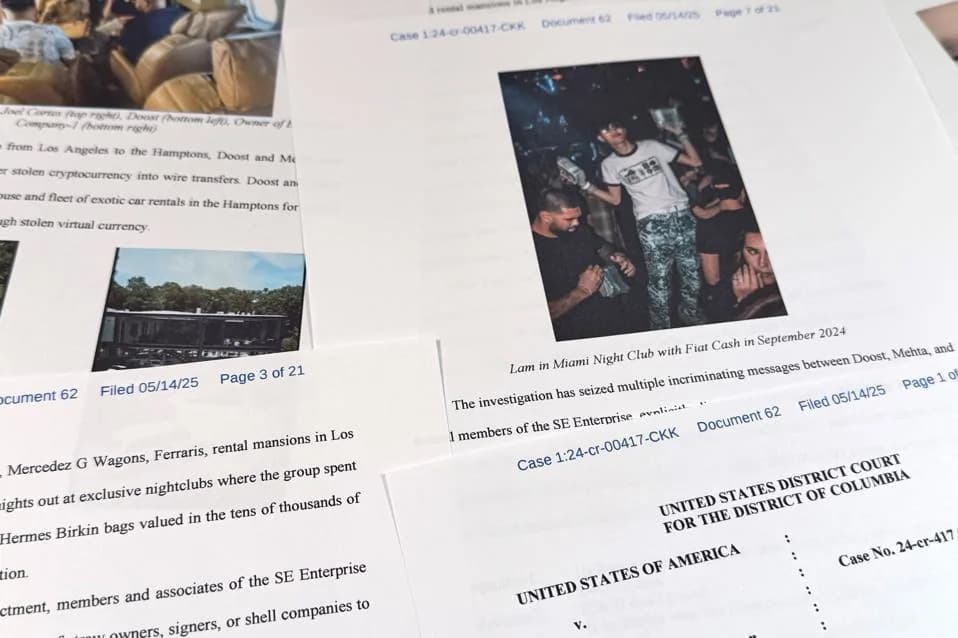
Four former Chanel Hong Kong warehouse employees were sentenced to four to seven years after being convicted of conspiring to steal 724 items (123 wallets and 601 handbags) valued at about HK$19 million ($2.4 million) that were marked for shredding in early 2017. Police intercepted 33 boxes on six pallets at the Goodman Interlink facility in Tsing Yi the same day and recovered all items, which were later destroyed. Chanel said the trial figures do not reflect its current practices and pointed to recycling initiatives such as L'Atelier des Matières and the Nevold circular hub. The case arrives amid new EU rules banning mass destruction of unsold fashion items and requiring write-off disclosures.
Four Former Chanel Hong Kong Workers Jailed After Theft of HK$19M in Bags Destined for Shredding
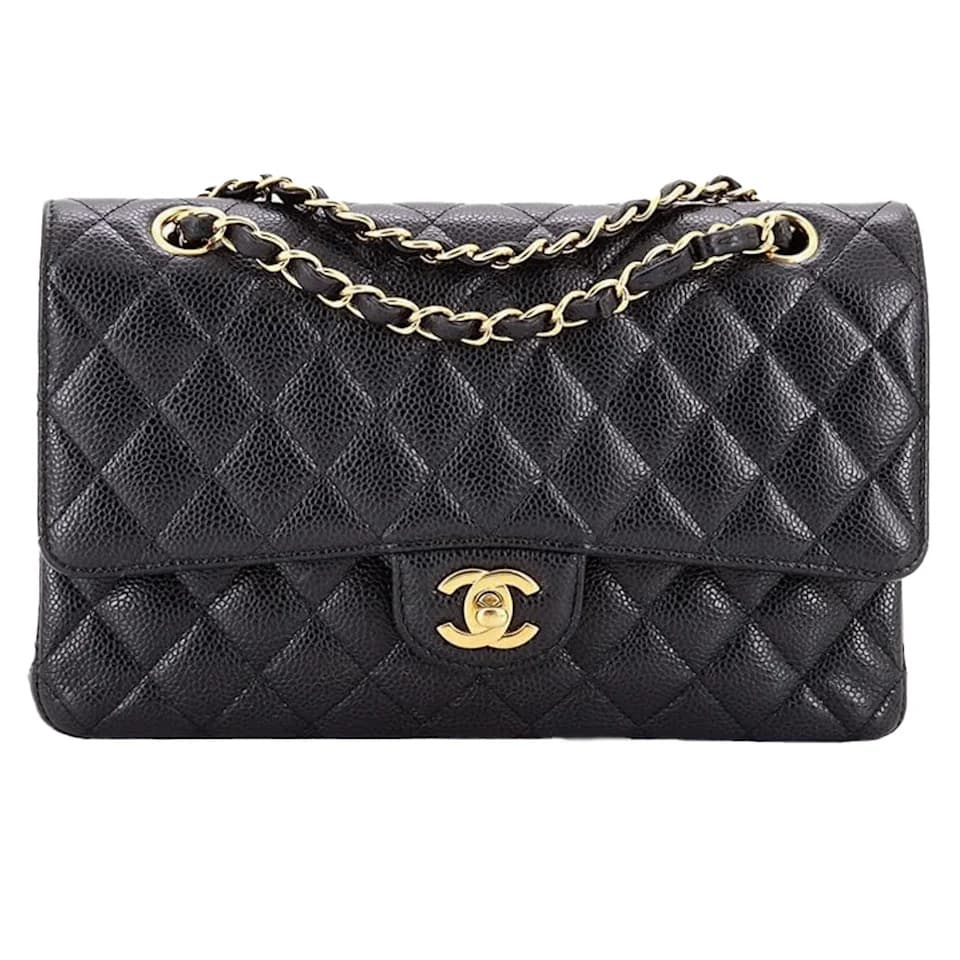
A Chanel bag.
Four former employees of Chanel's Hong Kong warehouse were sentenced to prison terms of four to seven years after a court found they conspired to steal more than 700 items that had been scheduled for destruction.
The High Court in Hong Kong convicted the group of conspiring to steal 123 wallets and 601 handbags (724 items in total) owned by Chanel Hong Kong Ltd. The goods, seized in early 2017, were valued at roughly HK$19 million (about $2.4 million).
High Court Judge Douglas Yau Tak-hong said the attempted theft was detected the same day it occurred. Police intercepted the suspects as they moved 33 boxes on six pallets out of the Goodman Interlink facility in Tsing Yi, where goods destined for destruction were stored on the 23rd floor and sent down to the fifth floor to be shredded.
All 724 items were recovered by authorities and later destroyed as originally planned, the court heard, meaning Chanel suffered no direct financial loss from the plot. Two defendants pleaded guilty before trial; the former warehouse manager and another warehouse employee were convicted after full proceedings.
Chanel Responds
Chanel told WWD that the figure cited in the trial "does not reflect Chanel's current global practices, which have evolved in line with its sustainability commitments."
The company said products that cannot be commercialized—deadstock, unsold or defective items—are now handled through L'Atelier des Matières, created in 2019 to recycle products from luxury and premium brands and support their reintegration into circular supply chains.
L'Atelier des Matières has been folded into Nevold, a circular materials hub Chanel launched in 2025 with reported funding between €50 million and €80 million. Under Nevold, Chanel grouped L'Atelier des Matières with Filatures du Parc, a French wool spinner specializing in recycled yarns, and Authentic Material, which develops upcycled natural materials including leather.
Regulatory Context
The case has renewed scrutiny on the luxury industry practice of destroying unsold stock to protect brand exclusivity and limit gray-market leakage. It also comes as the European Union prepares to implement the Ecodesign for Sustainable Products Regulation, which will ban the destruction of unsold clothing, footwear and accessories by large companies and require disclosure of write-offs. The prohibition applies to large firms immediately, with medium-sized companies required to comply by 2030.
This prosecution and sentencing highlight both the operational risks around disposal of high-value goods and the shifting industry landscape toward greater transparency and circularity.
Help us improve.