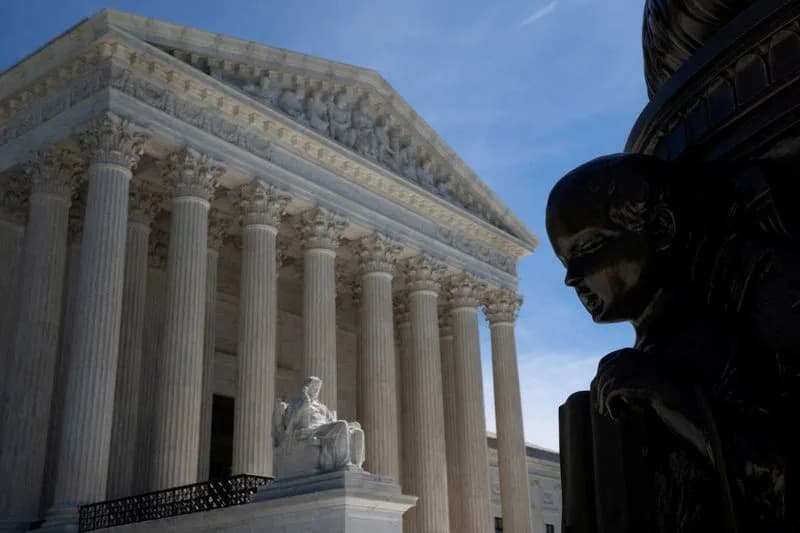
The Trump administration, through the Department of Justice, has asked a federal court to block a citizen enforcement suit brought under the Clean Air Act, arguing private suits cannot proceed when the federal government declines to oppose the conduct. In April 2026 the NAACP sued xAI, alleging 27 gas turbines in Southaven, Miss., operated without permits and emitted harmful pollutants. The DOJ cited executive orders on a national energy emergency and AI leadership and warned the case could threaten innovation and national security. If accepted by the courts, the DOJ's position could sharply limit private enforcement of environmental laws.
Trump Administration Moves To Limit Citizen Enforcement Of Environmental Laws
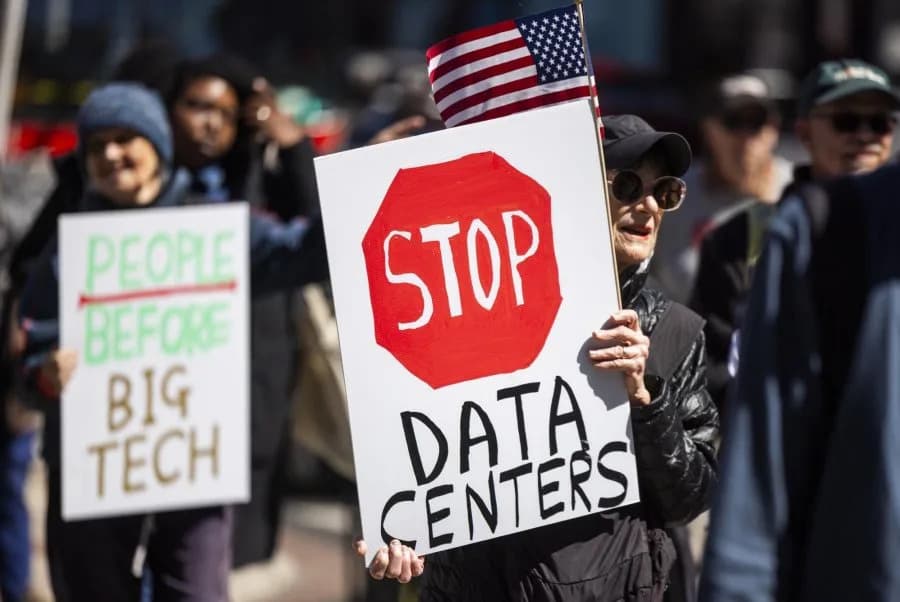
Activists protest the environmental consequences of data center expansion outside a data center conference in Washington, D.C., on April 21. File Photo by Jim Lo Scalzo/EPA
Congress built citizen enforcement into major environmental statutes—such as the Clean Air Act, Clean Water Act and Safe Drinking Water Act—to supplement executive enforcement when agencies fail to act. Those "citizen suit" provisions allow individuals and advocacy groups to sue polluters or federal agencies that neglect their statutory duties.
How Citizen Suits Work
Typically, a person or group must send a formal notice to the alleged violator and to the U.S. Environmental Protection Agency. If the problem is not remedied within 60 days, the notifier may file suit. Remedies often include injunctions to stop polluting activities, orders to mitigate or clean up harm, and civil penalties payable to the government. A citizen suit is barred if the government has already commenced an enforcement action addressing the same conduct.
History And Notable Outcomes
Since the 1970s, citizen suits have been a routine enforcement tool, used in more than 2,000 cases and comprising a large share of environmental litigation. Under the Clean Water Act, for example, discharging a pollutant without the required permit is itself a violation, which makes many violations comparatively straightforward to prove.
Citizen suits have produced significant results. In 2017, shrimp fisher Diane Wilson sued Formosa Plastics for persistent discharges of plastic pellets into Lavaca Bay. The suit eventually contributed to a 2019 settlement in which Formosa agreed to pay $50 million for mitigation and remediation and to cover court costs and attorneys' fees. In another case, PennEnvironment and Three Rivers Waterkeeper sued Styropek USA over pellet discharges into a western Pennsylvania creek; Styropek settled in 2025 for $2.5 million and agreed to install filtration systems and eliminate unauthorized discharges.
NAACP v. xAI: The Current Case
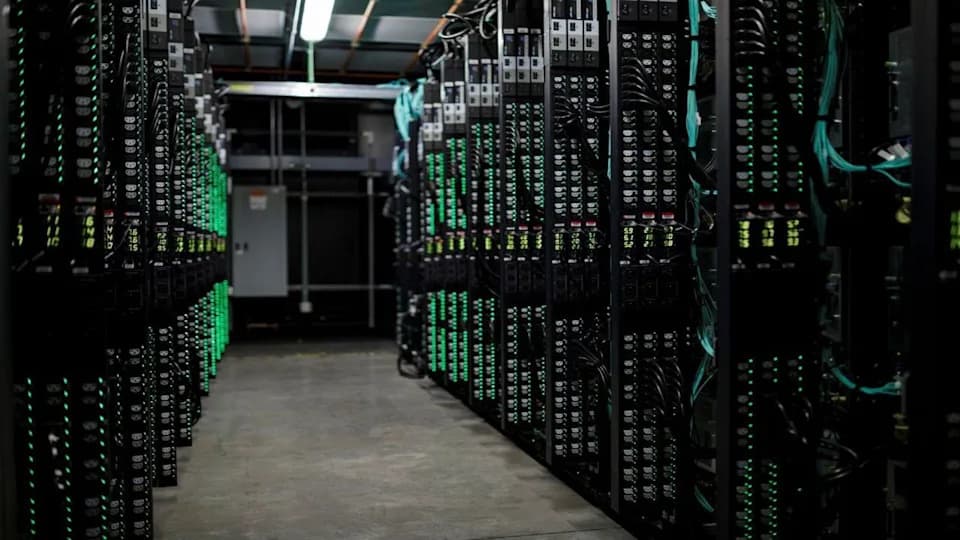
In April 2026 the NAACP used the Clean Air Act's citizen-suit provision to sue xAI, an artificial intelligence company founded by Elon Musk, alleging that xAI and a subsidiary installed and operated 27 natural gas–fired turbines in Southaven, Mississippi, to power the Colossus 2 data center without obtaining required Clean Air Act permits. The complaint alleges emissions of pollutants such as nitrogen oxides and formaldehyde—substances linked to higher rates of asthma, respiratory illness, heart disease and certain cancers. Had xAI sought permits, the EPA could have required best available emissions-control technology; the company did not apply for one.
How The Justice Department Responded
In June 2026 the U.S. Department of Justice asked a federal judge to dismiss the NAACP's case. For the first time in modern practice, the DOJ argued that citizen suits should not proceed when the federal government has chosen not to oppose the challenged conduct. The filing cites two executive orders issued at the start of President Donald Trump's second term—one declaring a "national energy emergency" and another seeking to promote "American leadership in artificial intelligence"—and contends the lawsuit could threaten innovation and national security. The DOJ framed its argument as defending executive-branch discretion to prioritize national policy aims rather than permitting private litigants to advance claims that the administration views as contrary to the public interest.
Implications And Debate
This is the first time the Justice Department has advanced this specific argument in court. Defendants and some judges have previously questioned the constitutional scope of citizen suits, and critics—including officials in the Trump administration—portray private enforcement as an improper encroachment on prosecutorial authority. Supporters counter that citizen suits are statutory rights created by Congress to fill enforcement gaps and protect public health and the environment when government enforcement is absent or insufficient.
If courts accept the DOJ's position, it could substantially narrow private enforcement of environmental laws and centralize enforcement authority in the executive branch—reducing a tool that has shaped modern environmental protection for decades.
Author Note: Sarah J. Morath is a professor of law and associate dean for international affairs at Wake Forest University. This article was republished from The Conversation under a Creative Commons license. The views expressed here are the author's own.
Help us improve.