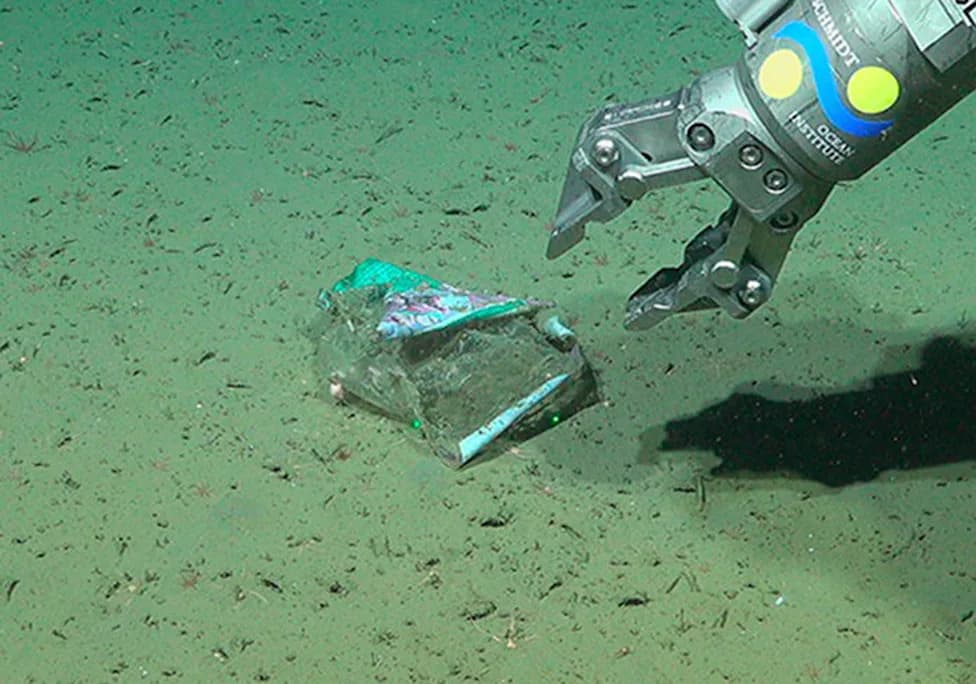
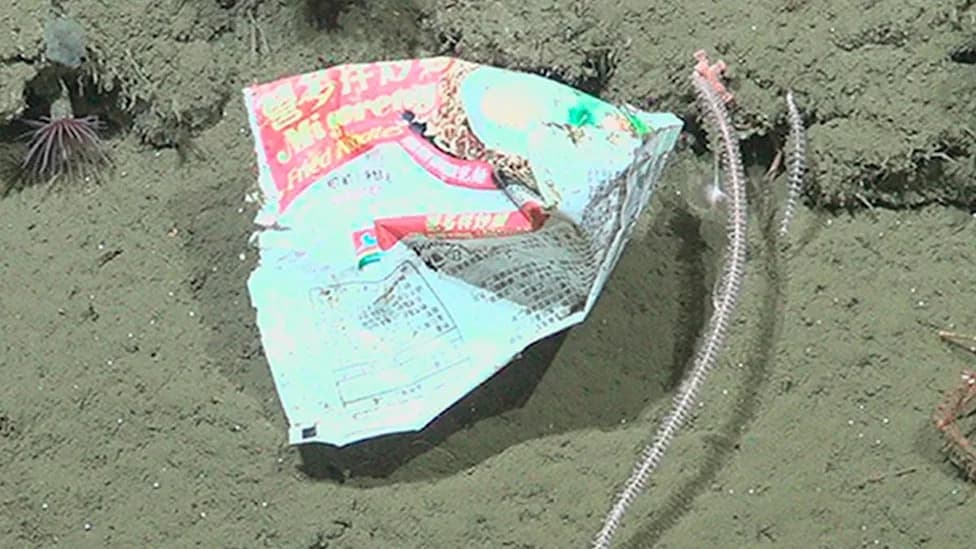
Scientists discovered microplastics in deep-sea hydrothermal vent animals more than 2,000 metres below the surface, revealing contamination of habitats once considered isolated. The Korean-led study found microplastics in 92% of sampled snails and mussels, averaging 3.42 particles per individual, with polystyrene the most common polymer. Indian Ocean specimens contained up to 15 times higher concentrations (normalized by body weight) than those from the southwestern Pacific. The findings highlight the need for deep-sea monitoring and conservation measures.
Microplastics Reach Deepest, 'Most Isolated' Undersea Ecosystems — Detected in 92% of Vent Animals
Microplastics now found even in deepest ‘most isolated’ parts of Earth
Scientists have found microplastic particles thousands of metres below the ocean surface in deep-sea hydrothermal vent ecosystems once thought to be among Earth's most isolated habitats. A Korean-led team reports microplastics in the tissues of vent-dwelling snails and mussels from two ocean regions, showing that plastic pollution penetrates far beyond surface and coastal waters.
Researchers estimate that more than 11 million tonnes of plastic enter the oceans each year. Large debris degrades into tiny microplastic fragments that ocean currents can carry throughout marine environments, posing risks to marine life and raising concerns about entry into the human food chain.
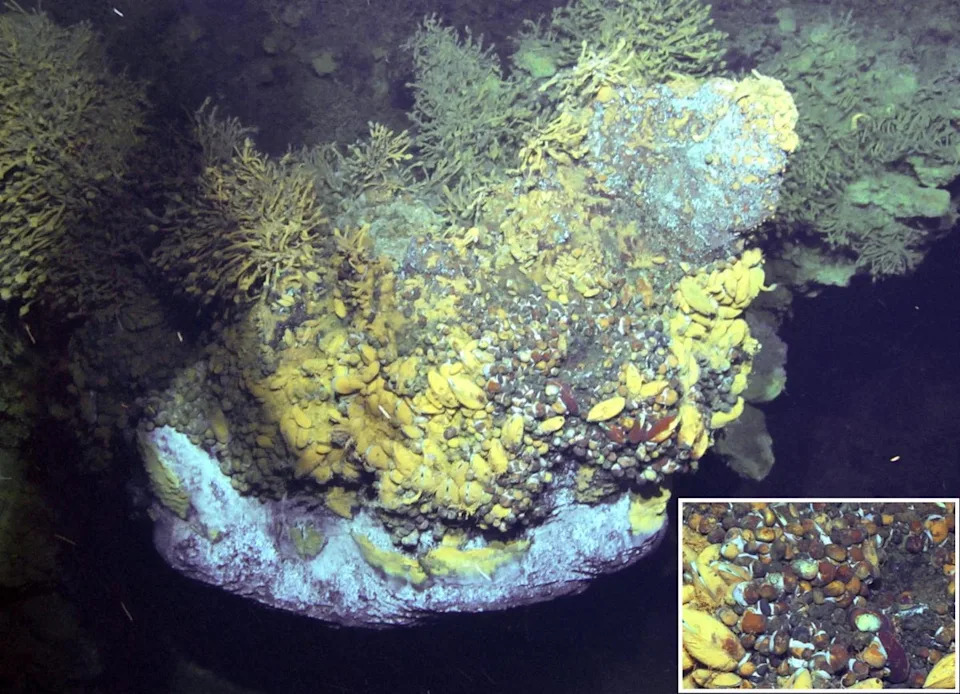
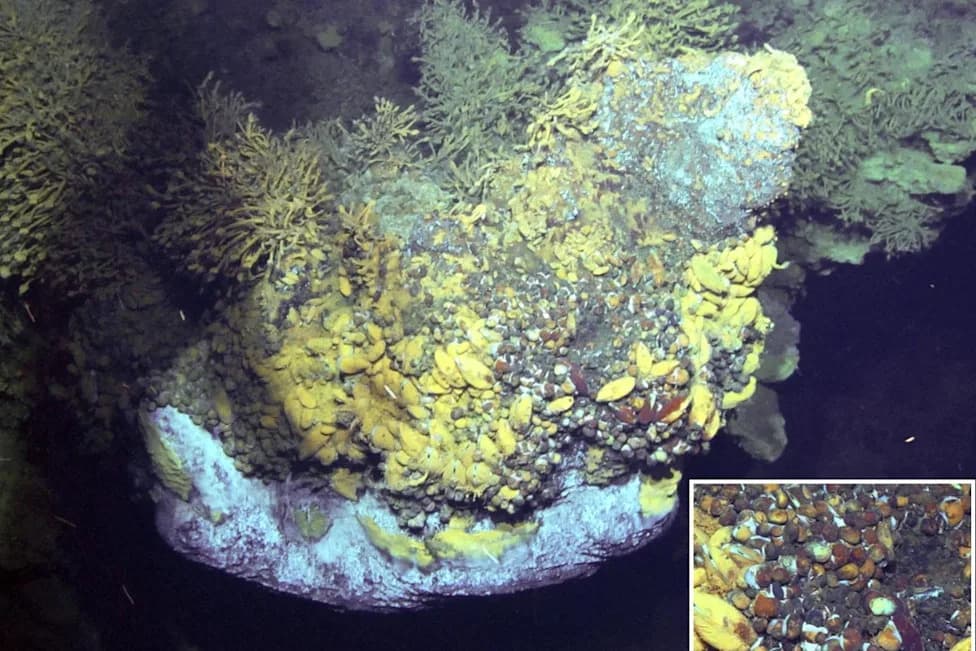
Snails living in 'Tiamat' chimney in the Longqi vent field on the Southwest Indian Ridge (HKUST via Eurekalert)
For this study, scientists collected animals from hydrothermal vents more than 2,000 metres below the surface in the North Fiji Basin (southwestern Pacific) and the Central Indian Ridge (Indian Ocean). They examined snails and mussels for microplastic particles and polymer types.
Key findings:
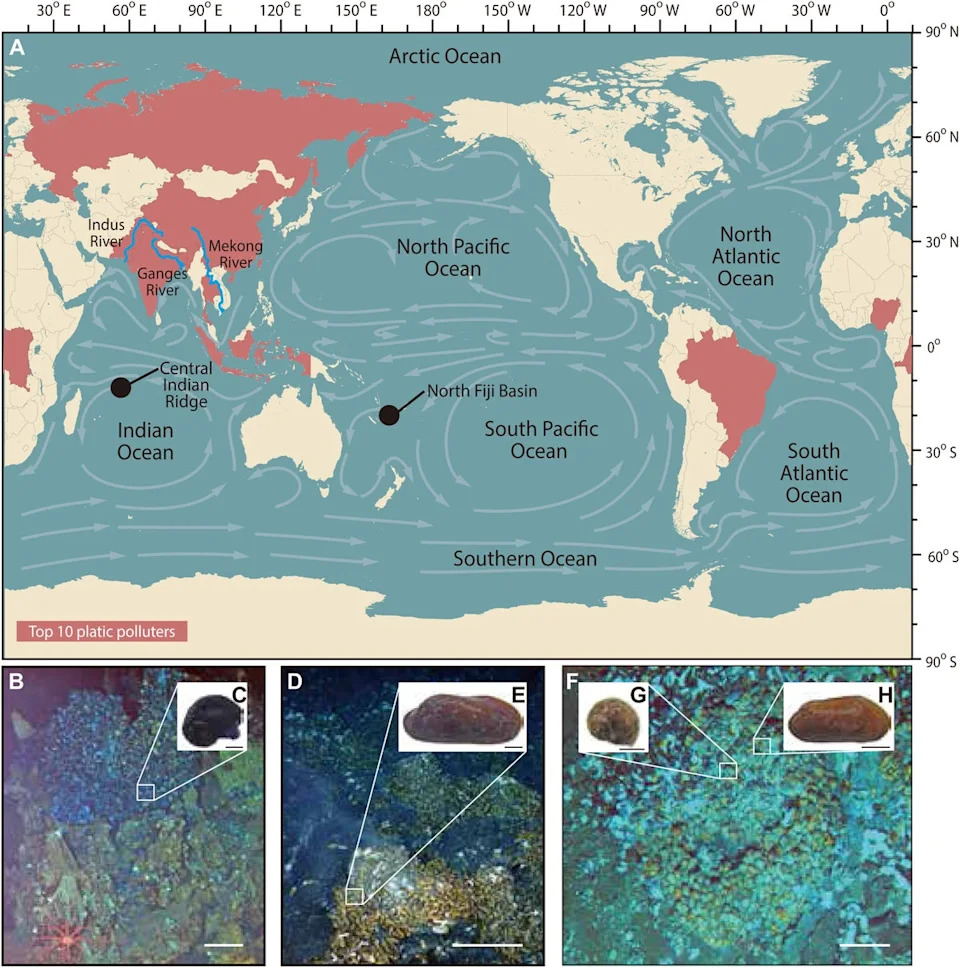
Sampling locations and representative photographs of the studied hydrothermal vent ecosystems (Water Research (2026))
- Microplastics were detected in 92% of sampled animals, with an average of 3.42 particles per individual.
- Polystyrene — commonly used in packaging and consumer products — was the most frequently identified polymer.
- After normalizing for body weight, organisms from the Indian Ocean contained up to 15 times higher microplastic concentrations than those from the southwestern Pacific.
The researchers also found that an animal's feeding behavior helps determine where microplastics accumulate. Grazing snails that feed on microbial mats tended to have particles concentrated in their digestive organs, while filter-feeding mussels showed a more even distribution of particles across tissues.
"Plastic pollution has now spread even to deep-sea hydrothermal vent ecosystems that were once considered among the most isolated environments on Earth,"said Se-Joo Kim, a co-author of the study published in Water Research.
Implications
These results demonstrate that plastic debris from the ocean surface can be transported thousands of metres downward to contaminate some of Earth's most remote and extreme marine habitats. The study provides evidence that supports establishing deep-sea environmental monitoring and targeted conservation policies to better understand and mitigate the impacts of plastic pollution on vulnerable deep-sea ecosystems.
Sampling locations and representative photographs were provided by the authors and appear in Water Research (2026).
Help us improve.