Study Finds Zoo Elephants Living Longer: Analysis of ZIMS records for 3,000+ African and Asian elephants across ~1,400 institutions shows life expectancy in accredited zoos has risen — up to 44% for males and 21% for females. Improvements in soft substrates, preventive foot care with protected contact, multi‑generational social groups and enriched habitats drove survival gains. Researchers stress longevity must be paired with behavioral and psychological metrics to ensure true welfare.
Why Zoo Elephants Are Now Outliving Their Wild Counterparts
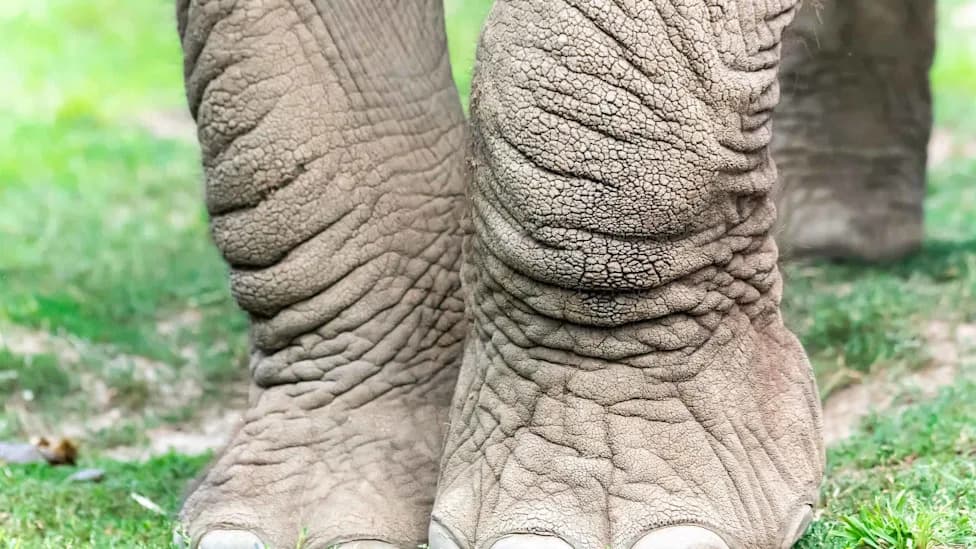
The front feet of an elephant. The bottom legs and feet are light gray and very wrinkly. Semi-circle shaped (with the arch at the top) white toenails are visible on the front of the elephant's feet.© The Speedy Butterfly/Shutterstock.com
New research shows dramatic gains in zoo elephant survival — but lifespan is only one piece of welfare. A study published in Scientific Reports finds that elephants in accredited zoos now live as long as, and in some cases longer than, many well-studied wild and semi‑wild populations.
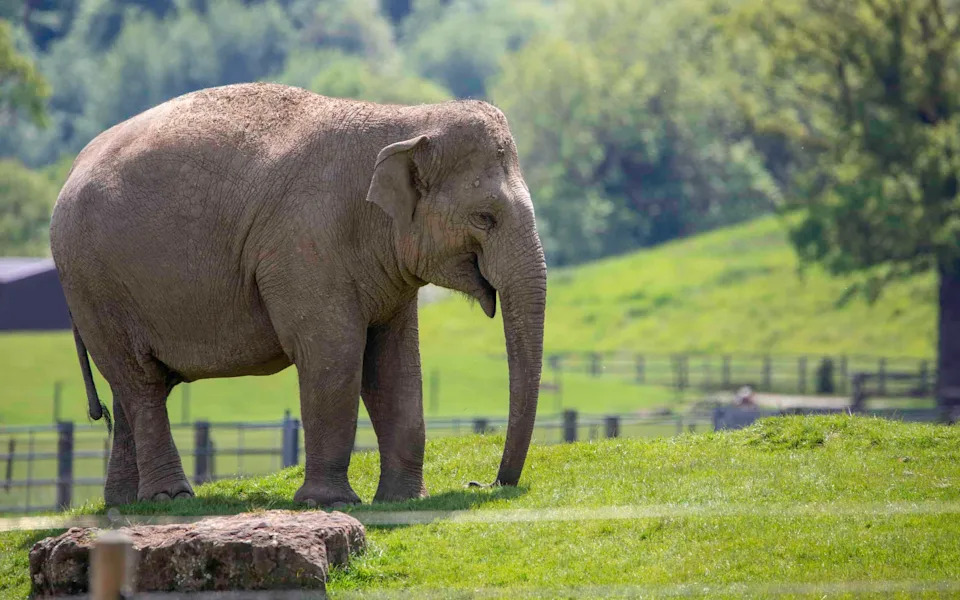
Many facilities are moving from traditional elephant exhibits to larger, open-space sanctuaries.©Wirestock/iStock via Getty Images
Study and Data
Scientists from the Zoological Society of London and Species360 analyzed records from the Species360 Zoological Information Management System (ZIMS). The dataset included more than 3,000 African and Asian elephants across roughly 1,400 institutions worldwide. Researchers compared two management eras: animals cared for between 1960–1992 and those managed from 1992–2024, the period when modern zookeeping practices became widespread.
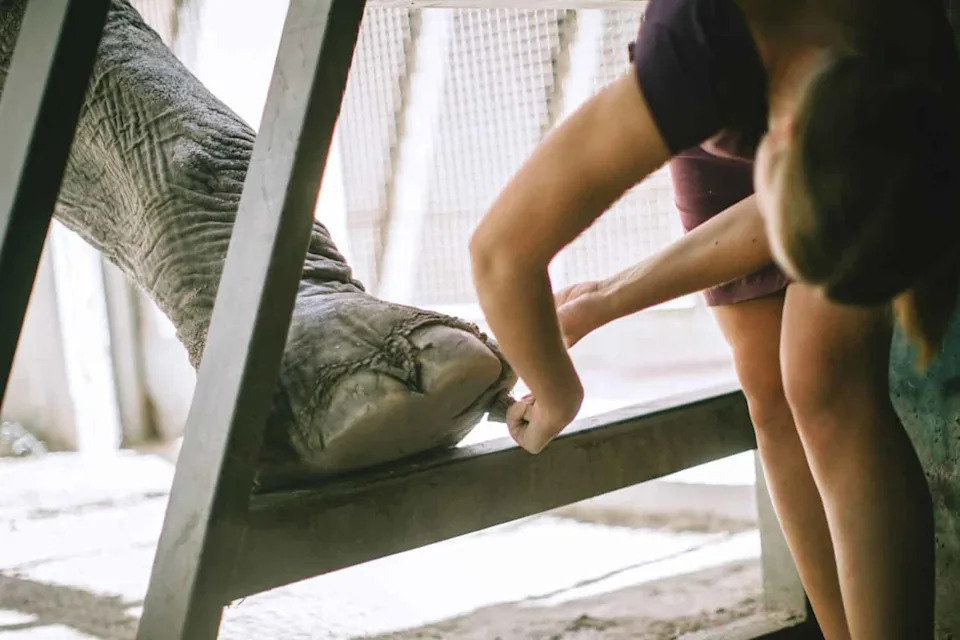
Elephants are trained to voluntarily participate in foot care.©Rosa Jay/Shutterstock.com
Key Findings
Life expectancy in accredited zoos rose substantially since 1960 — by up to 44% for males and 21% for females. Infant and juvenile survival improved across both species: African elephant infant survival increased by as much as 7% and juvenile survival by up to 8%; among Asian elephants, female infant survival rose ~1% and juvenile survival ~4%. A greater share of zoo elephants now reach old age rather than dying prematurely, and survival rates in many accredited institutions match or exceed those reported for well-documented wild populations in Kenya and semi‑wild working elephants in Myanmar.
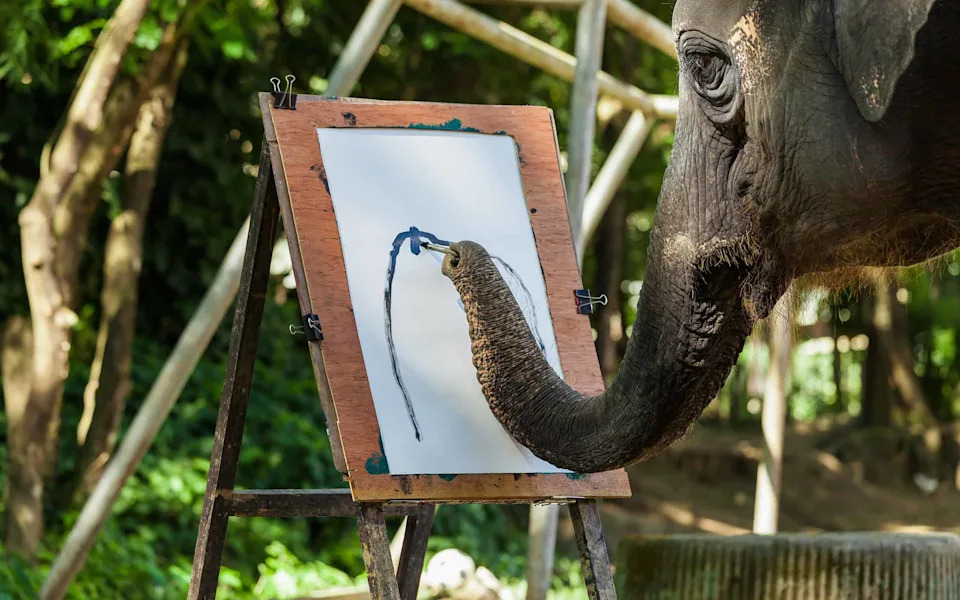
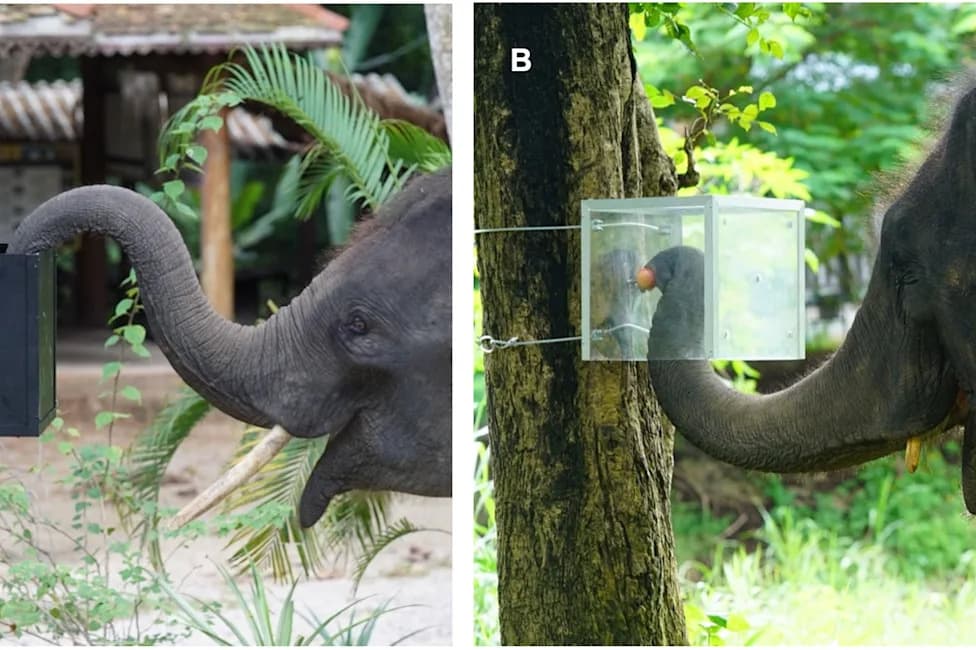
Elephants are given many different types of enrichment activities, such as food puzzles, foraging games, and in some cases, even painting.©Jan-Schneckenhaus/iStock via Getty Images
What Changed in Zoos
Better Footing and Habitat Design
One of the most important improvements has been replacing hard concrete with deep sand, natural soil and other soft substrates that cushion joints and protect feet. These changes dramatically reduce chronic foot and joint disease — conditions that historically prompted many euthanasias.
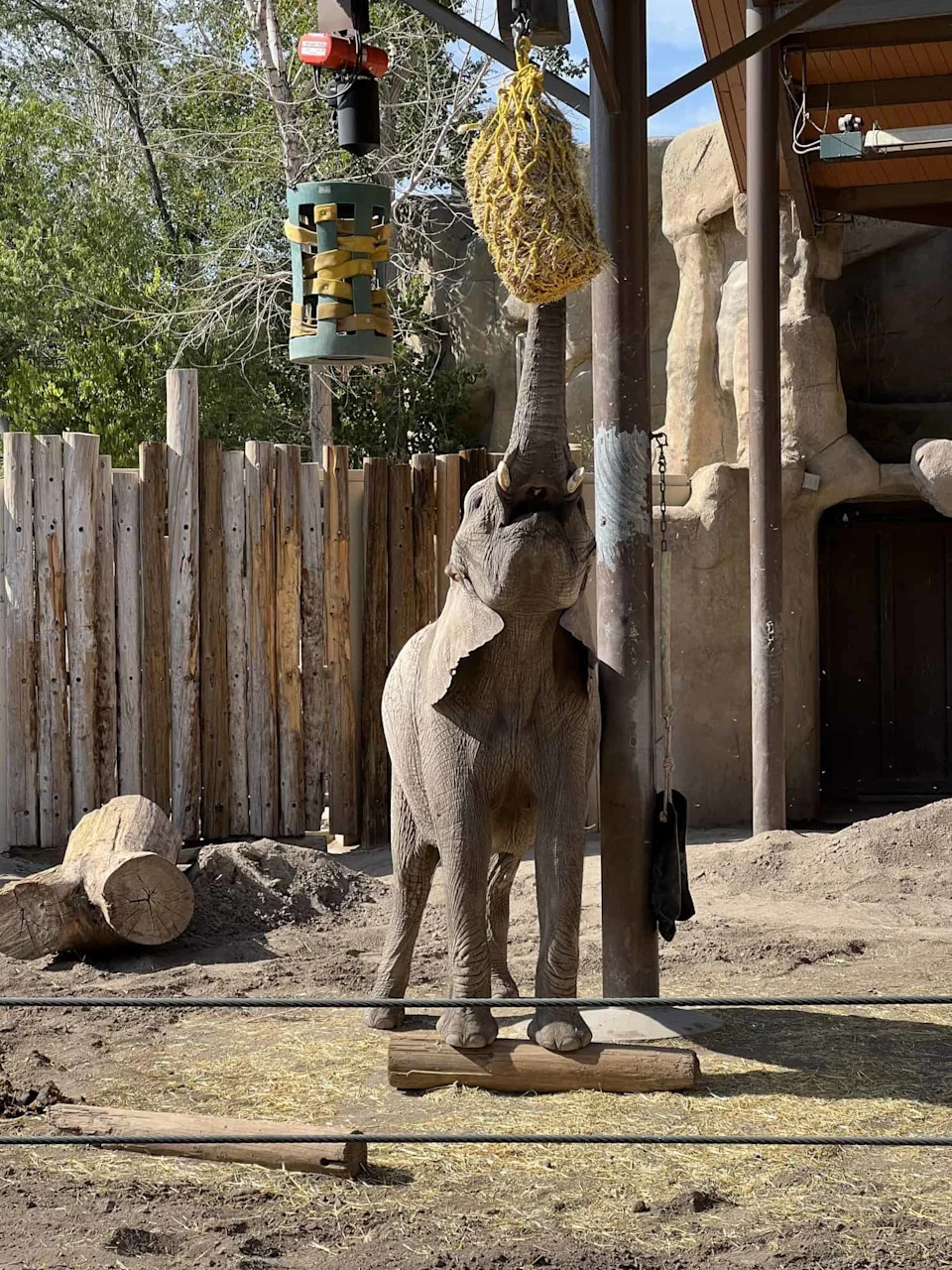
Elephants are some of the smartest animals on Earth.©iBenlo/Shutterstock.com
Preventive Veterinary Care and Protected Contact
Routine preventive foot care is now standard. Under a protected contact model, elephants are trained with positive reinforcement to participate voluntarily in daily inspections, trimming and cleaning, allowing staff to catch and treat minor problems early and safely.
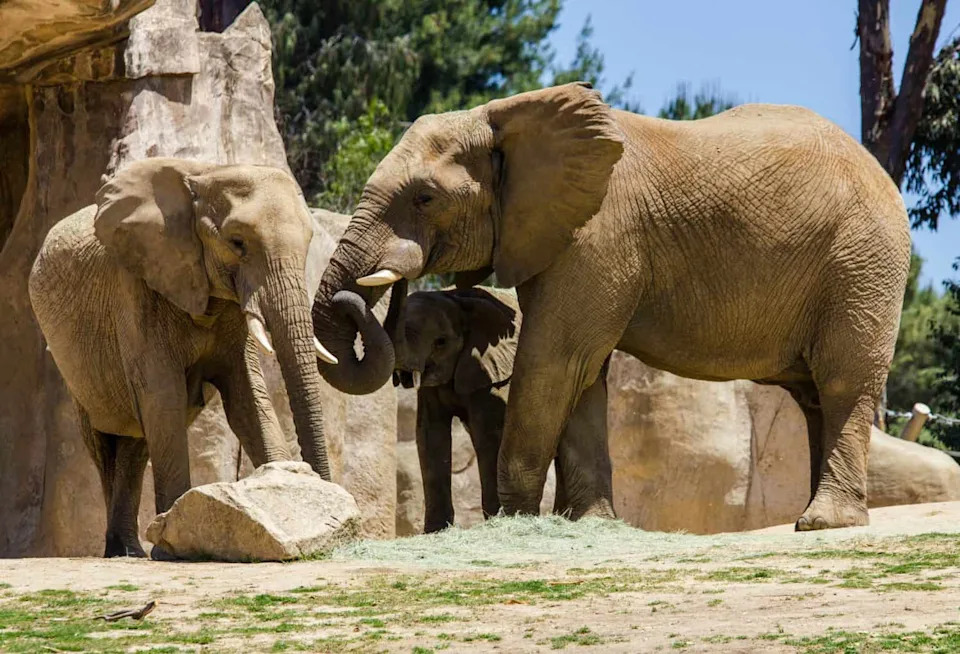
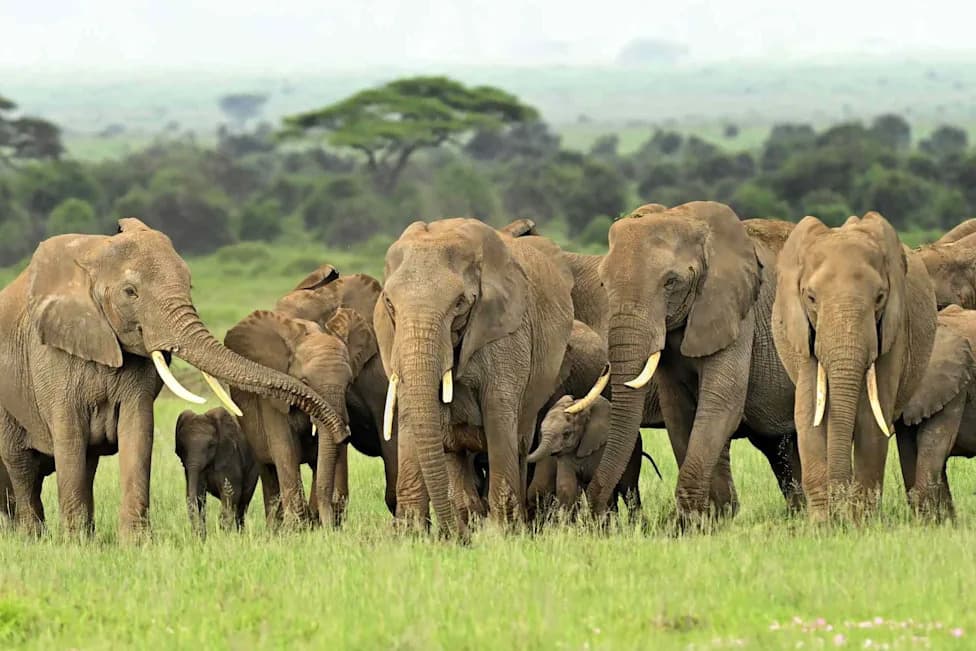
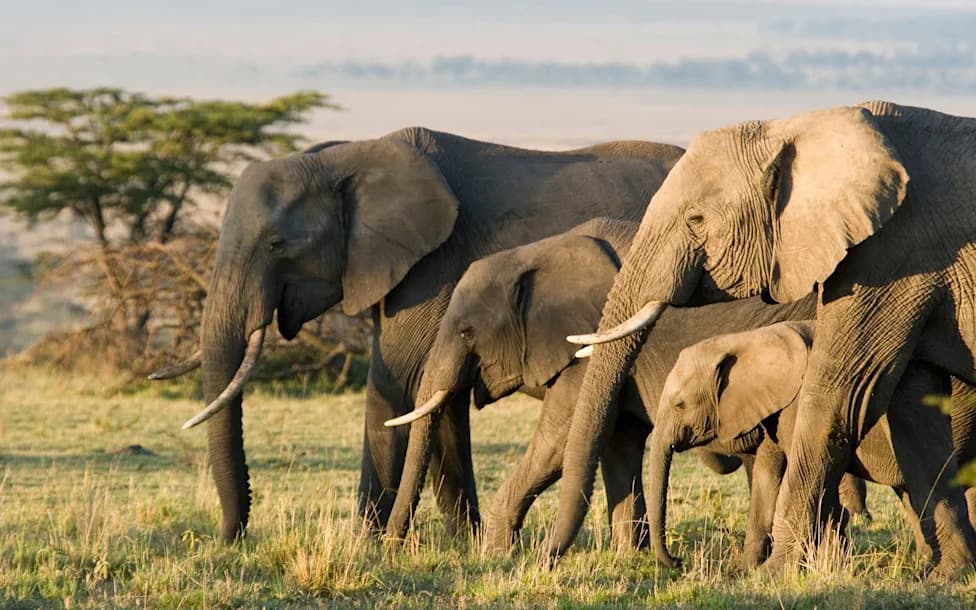
Elephants are extremely social and live in tight-knit family groups.©Yana Ostanko/Shutterstock.com
Restored Social Structures
Accredited zoos increasingly house elephants in multi‑generational family groups that mirror wild herd dynamics, with related females and calves kept together. Facilities also provide specialized housing and management for adult males, including strategies to handle musth safely while enabling appropriate social interaction. These social changes reduce chronic stress and support natural behaviors.
Enrichment and Naturalistic Management
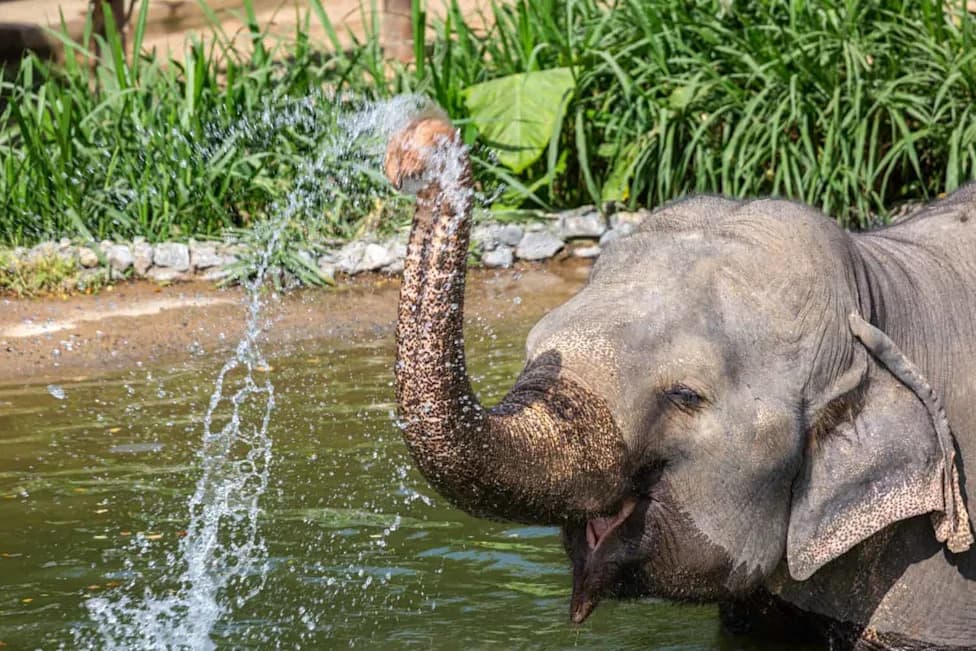
Modern habitats emphasize mental and physical engagement: mud wallows, pools, puzzle feeders and scattered foraging opportunities encourage hours of activity and problem‑solving instead of scheduled feedings from a single trough. Such enrichment reduces stereotypic behaviors and promotes movement similar to life in the wild.
Welfare: Lifespan Isn’t the Whole Story
Researchers caution that a longer life does not automatically equal good welfare. True success combines physical health with the ability to express natural behaviors, strong social bonds and sustained mental stimulation. The authors call for welfare assessments that pair life‑expectancy data with behavioral and psychological indicators to measure quality of life at every stage.
Looking Ahead
Because elephants are long‑lived, the full effects of management improvements introduced in the 1990s and 2000s are still unfolding. As younger cohorts live their entire lives under modern care, scientists expect survival and well‑being metrics to continue improving. This study provides compelling evidence that science‑based zoo management can markedly improve survival prospects — but ongoing attention to behavioral and psychological welfare is essential.
Bottom line: Accredited zoos have made major, measurable progress in elephant care — from softer substrates and preventive medicine to family‑group housing and enrichment — leading to sizable gains in survival. Lifespan improvements must be matched by robust welfare measures to ensure elephants truly thrive.
Help us improve.