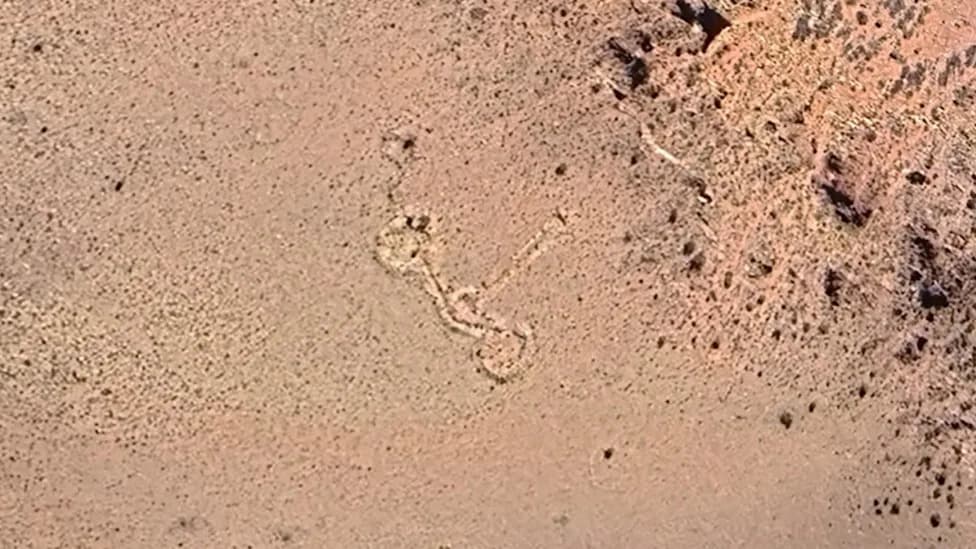
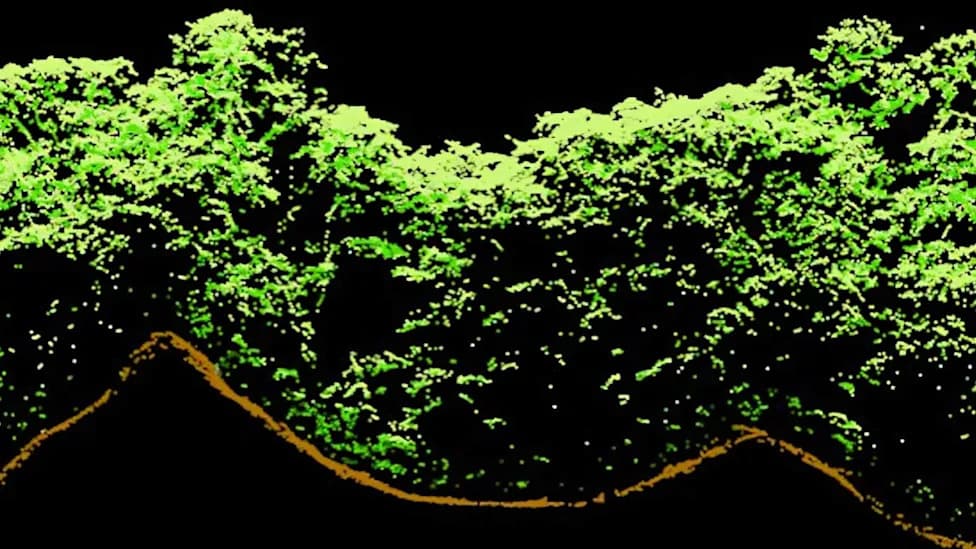
Researchers led by Martti Pärssinen used airborne LiDAR to map a 4,497 km² area of southwestern Amazonia and discovered hundreds of monumental earthworks—geoglyphs—organized in geometric complexes. From those densities they extrapolate that 20,000–30,000 geoglyphs may exist across a 183,000 km² Aquiry territory, with a peak population estimate of about 1.25–3 million people. The earthworks appear to have served as ceremonial and political centers rather than permanent settlements; the civilization likely thrived from roughly 600 BC to AD 850. Scientists plan wider LiDAR surveys to determine how widespread similar sites may be and to reassess precolonial Amazonian impact on ecology and climate models.
Lost Amazon Civilization Revealed: LiDAR Finds Geoglyph Network That May Have Supported Up To 3 Million People
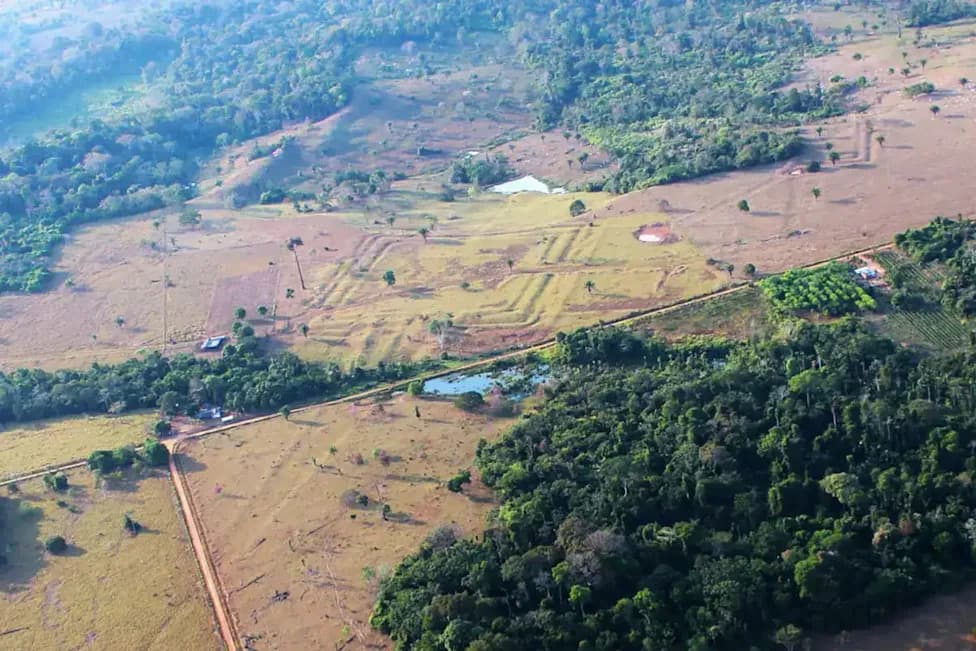
Aerial visual of dense Amazon rainforest canopy mapped with LiDAR laser tech showing hidden geometric geoglyph earthworks. ©Image Credit: Martti Pärssinen
New LiDAR surveys in southwestern Amazonia have revealed an extensive network of monumental earthworks that point to a previously unknown, large-scale pre-Columbian society. Led by archaeo-anthropologist Martti Pärssinen of the University of Helsinki, the research challenges the long-standing image of the Amazon as an untouched wilderness prior to European contact.
Using airborne LiDAR (Light Detection and Ranging) to penetrate dense forest canopy, the team mapped a 4,497-square-kilometer swath of Brazilian Amazonia and identified hundreds of engineered features. Within that area the researchers recorded 432 known earthworks and documented 396 previously unreported structures. These constructions—commonly called geoglyphs—appear in geometric groupings including circles, squares, rectangles and octagons.
From site densities in the surveyed region the authors extrapolate that between 20,000 and 30,000 geoglyphs could exist beneath the canopy across an estimated 183,000-square-kilometer Aquiry territory. Based on those extrapolations, the team estimates the Aquiry civilization may have had a peak population of roughly 1.25 million to 3 million people around 100–300 AD, though they emphasize these numbers could change as more data are collected.
Researchers date the cultural phenomenon to about 600 BC–AD 850. Unlike permanent settlements or fortifications, the earthworks appear to have served as public, ceremonial, and political centers built for invited visitors. The constructions are characterized by deep ditches and raised outer embankments.
"The cultures and societies that composed the Aquiry shared a common worldview and constructed ceremonial centers in a variety of monumental geometric forms," Pärssinen said, summarizing the architectural pattern.
The team estimates that constructing and maintaining a single geoglyph would have required roughly 300 people, suggesting coordinated labor and social organization at scale. Archaeological evidence further indicates widespread landscape modification: clearing forest to create the sites and cultivating regional crops such as maize, squash, manioc, nuts and peach palms.
The reasons for the civilization's decline around AD 850–1000 remain unresolved. Pärssinen notes the timing coincides with major collapses elsewhere in the Americas, such as the Classic Maya and Andean states, raising the possibility of linked drivers though no firm causal link has been established.
Researchers plan to expand LiDAR coverage across Greater Amazonia to test whether similarly complex societies are preserved beneath the rainforest canopy. If comparable densities are found elsewhere, the implications extend beyond archaeology: precolonial population levels and human landscape modification could require re-evaluation in models of Amazonian ecology, biodiversity, soil history and even climate impacts.
Sources
Reporting draws on the research team’s publications and coverage in Nature, Archaeology Magazine and other news outlets.
Help us improve.