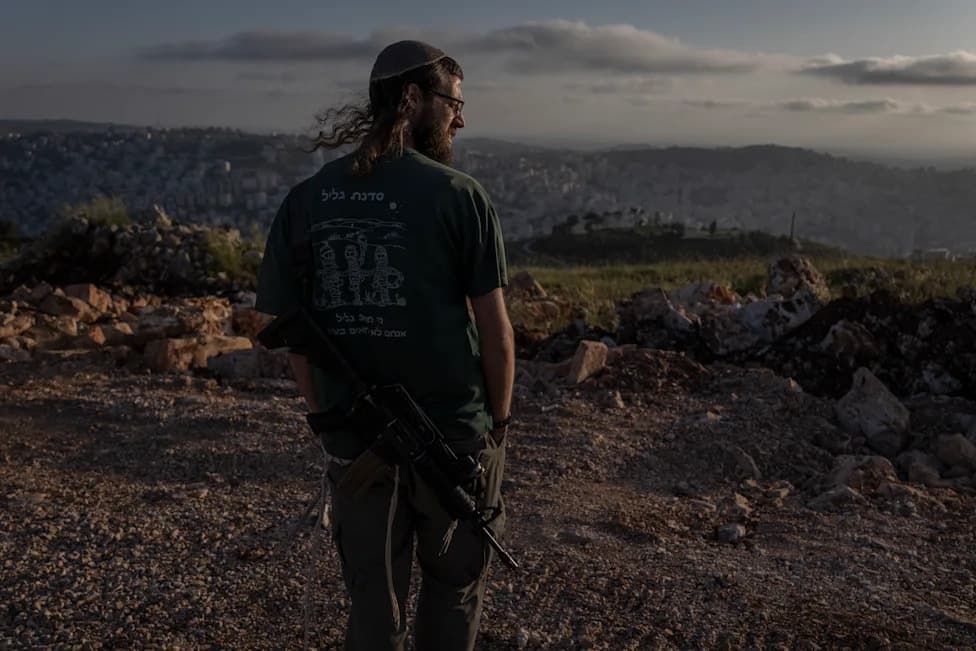
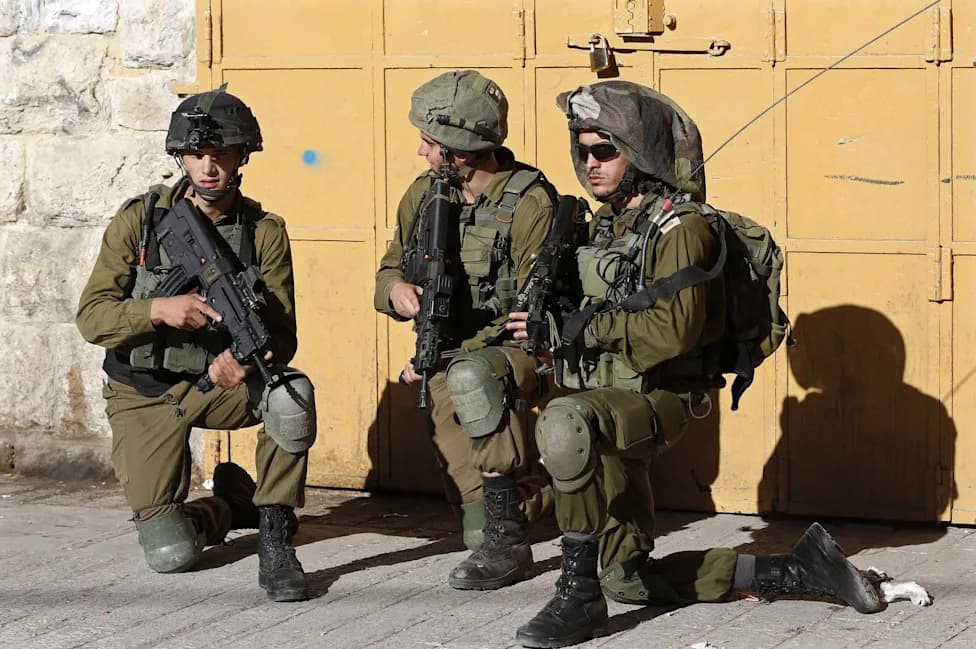
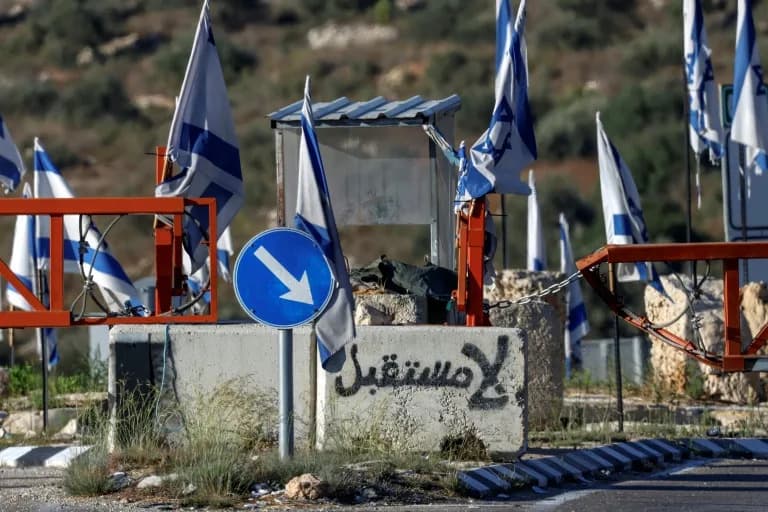
The Hilltop Youth—primarily young Israeli settlers—has grown from 1998 calls to occupy West Bank hilltops into a politically backed and increasingly violent movement. Since 2012, and especially after December 2022, state actions have legitimised and materially supported settler outposts. United Nations figures record over 1,330 settler attacks in the first half of 2026; roughly 200 illegal outposts were built in recent years, and government subsidies to settlers total about $40 million.
Hilltop Youth: Violent Settler Movement Expands With State Backing in the West Bank
Interactive_West_Bank_Settler_Attacks_July26_2026-1785063933
For years a loose network of mainly young Israeli settlers known as the Hilltop Youth has escalated a campaign of land grabs, intimidation and violence across the occupied West Bank. Reported activities range from vandalism and arson to physical and sexual assaults, while media and social platforms are used to recruit, fundraise and glorify attacks.
Origins
The movement traces its roots to 1998, when then-foreign minister Ariel Sharon urged settler youth to "take the hilltops" in the West Bank to pre-empt negotiations with the Palestinians, including on settlements. Religious Zionist groups answered the call, establishing outposts that Israeli authorities often deemed illegal under domestic law, while the international community regards all settlements in the occupied territory as unlawful.
Escalation and Growing State Support
What began as a fringe phenomenon has expanded in size, influence and brazenness. In 2012 the Israeli cabinet retroactively authorised several previously illegal outposts, and since December 2022 the movement has benefited from heightened political, administrative and material support. Reported forms of assistance include favourable legislation, infrastructure and military protection, administrative leniency, and substantial stipends for food and clothing.
Tactics, Propaganda and Recruitment
Hilltop Youth activists produce promotional videos showing minors training on hilltops, use social media to fundraise and distribute footage of assaults as trophies. Such content helps normalise violence among sympathisers and broaden the movement's appeal.
(Al Jazeera)
Mainstreaming and Impunity
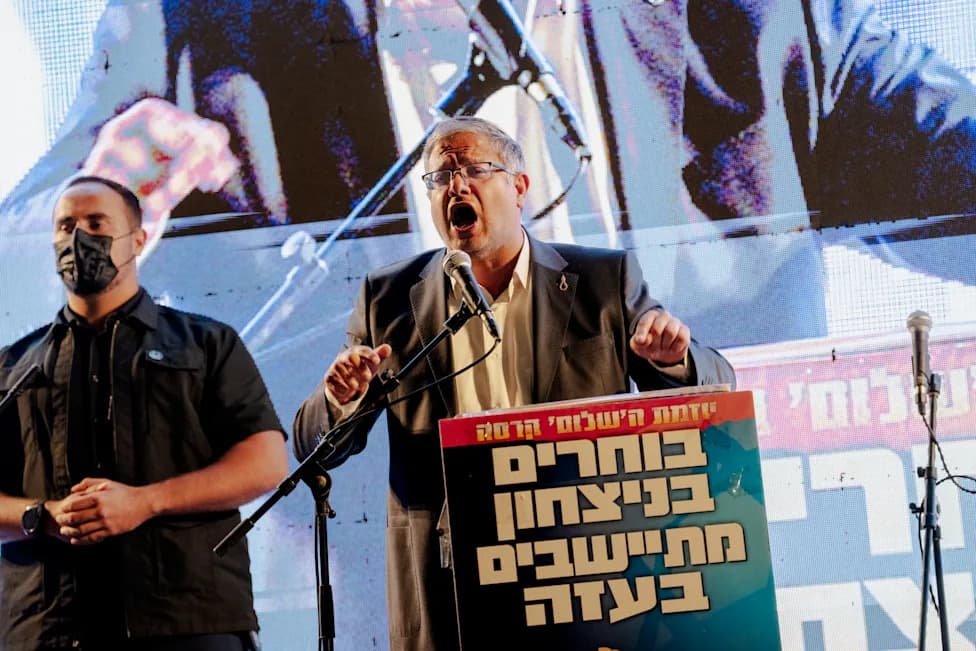
Members of the movement and allied politicians now hold influential government roles. Several senior figures linked to the Hilltop Youth include Itamar Ben-Gvir (minister of national security), Bezalel Smotrich (finance minister and overseer of settlement policy) and Zvi Sukkot. At a recent party meeting, a senior minister stated that administrative orders against settlers had been cancelled, signaling a de facto tolerance for many actions by settlers.
"We're very proud of initiating friction; even the army is in friction," a prominent Hilltop Youth leader said on a right-wing podcast, describing clashes that he said help settlers seize more land.
Scope and Impact
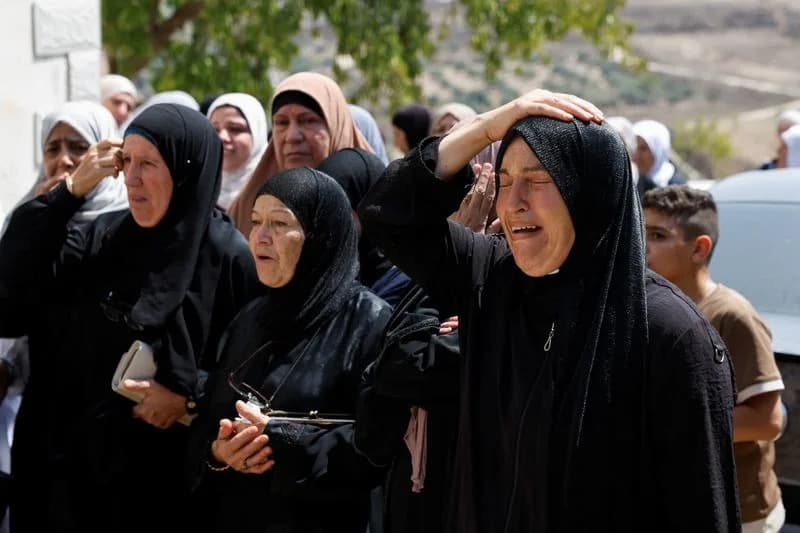
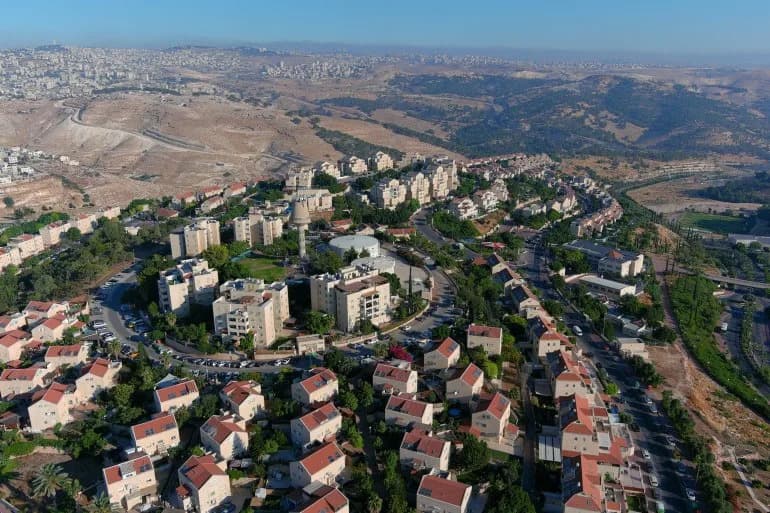
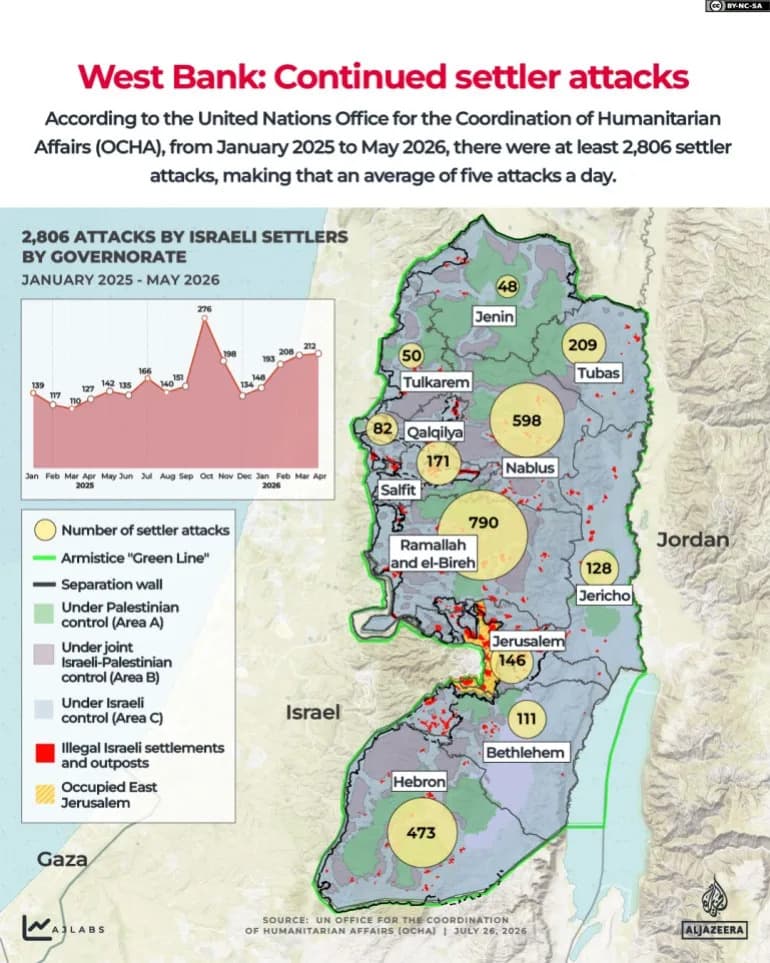
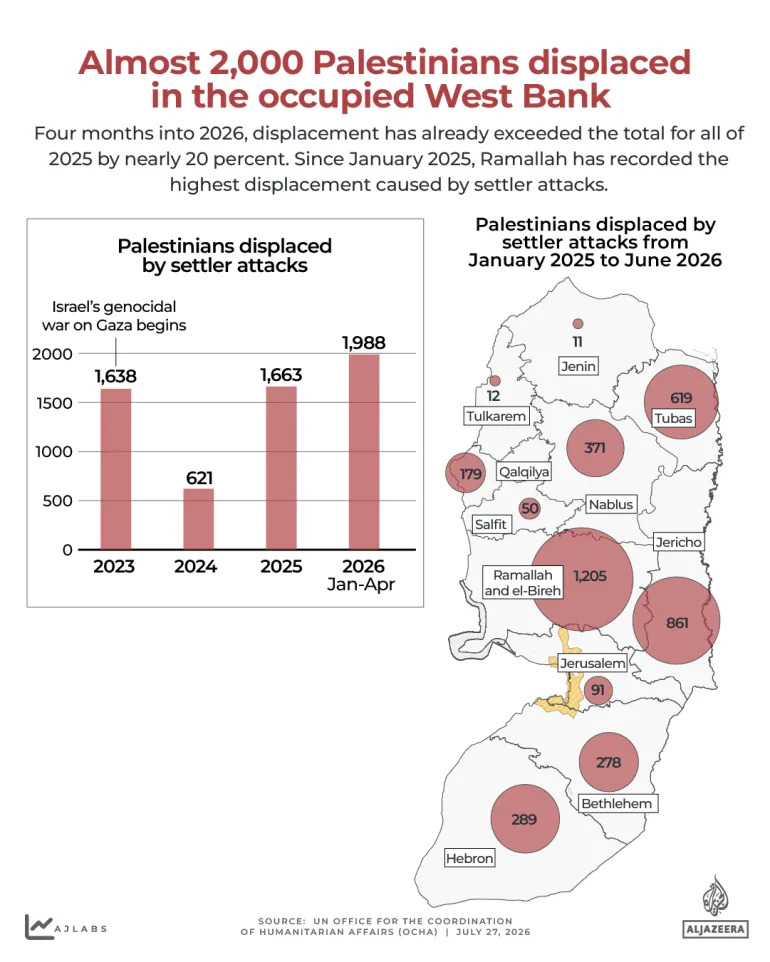
United Nations figures and rights groups report record levels of settler violence: more than 1,330 settler attacks were recorded in the first half of 2026 alone, a figure many observers describe as conservative. In the past three years settlers reportedly built around 200 outlying illegal outposts on Palestinian hilltops. Government spending to support settler communities, including food and clothing subsidies, has been reported at nearly $40 million.
Outlook
With growing political backing, media visibility and limited domestic legal consequences, the Hilltop Youth have moved from the margins to a mainstream position within sections of Israeli politics. Observers warn that without effective deterrence, the movement and its ideology are likely to gain further influence and lead to additional land seizures and violence.
Source: Al Jazeera (compiled and edited)
Help us improve.