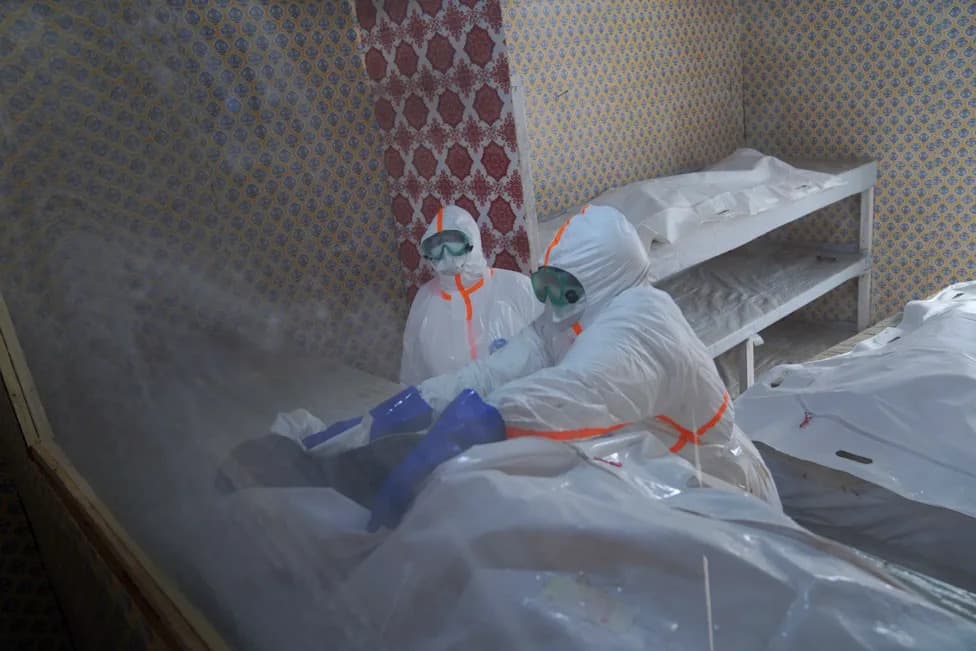
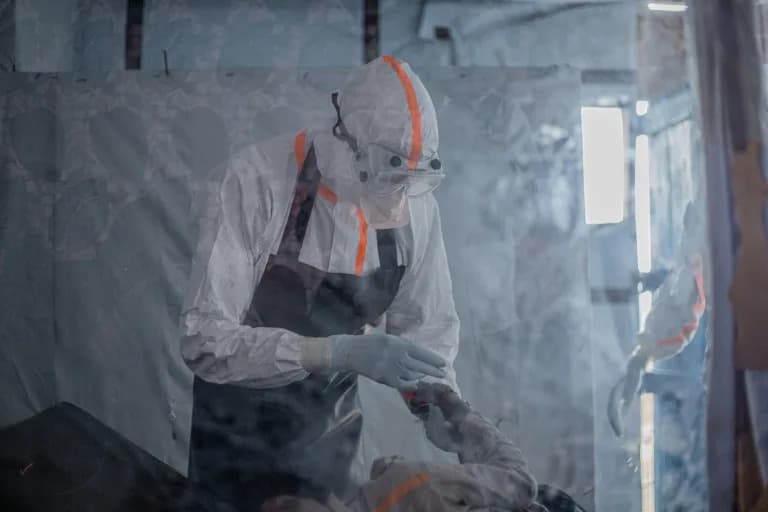
As an Ebola outbreak declared on May 15 rages in eastern Congo, fear and misinformation are driving pregnant women away from hospitals, sharply increasing maternal deaths in Ituri. UNFPA data show weekly maternal fatalities rose from 3.1 to 5.8 between late May and mid-July, while deaths outside health centers nearly doubled. The outbreak — linked to more than 1,600 confirmed deaths, attacks on health facilities and staff shortages — has strained an already fragile health system and reduced access to essential maternal care.
Ebola Outbreak Drives Pregnant Women Away From Hospitals, Doubling Maternal Deaths in Ituri
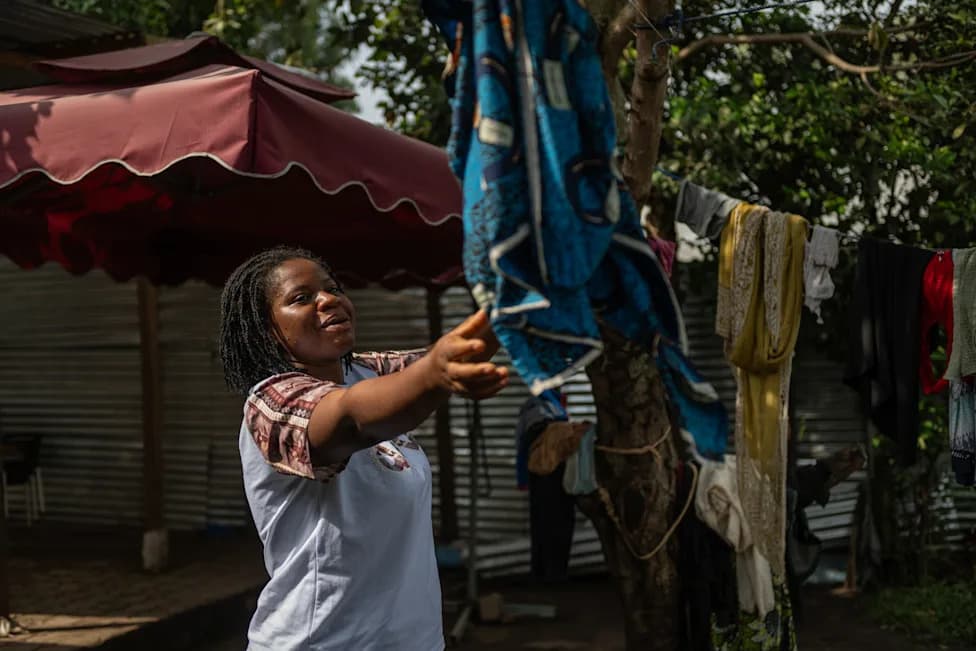
Esther Lutula, a 26 year-old woman who is four months pregnant and a mother of four who stopped going for prenatal checkups shortly after the current Ebola outbreak, does the laundry outside her house in Bunia, northeastern, Congo, Tuesday, June 16, 2026. (AP Photo/Moses Sawasawa)(AP Photo/Moses Sawasawa)
BUNIA, Congo — Esther Lutula, 26, stopped attending prenatal appointments soon after health authorities declared the latest Ebola outbreak in eastern Congo on May 15. Midway through her pregnancy, she feared that a routine fever could trigger immediate isolation — a common but mistaken belief spreading through the community.
"That's why I'm waiting until the disease is no longer widespread," she told reporters from her home in Bunia, the capital of Ituri province, the epicenter of the outbreak.
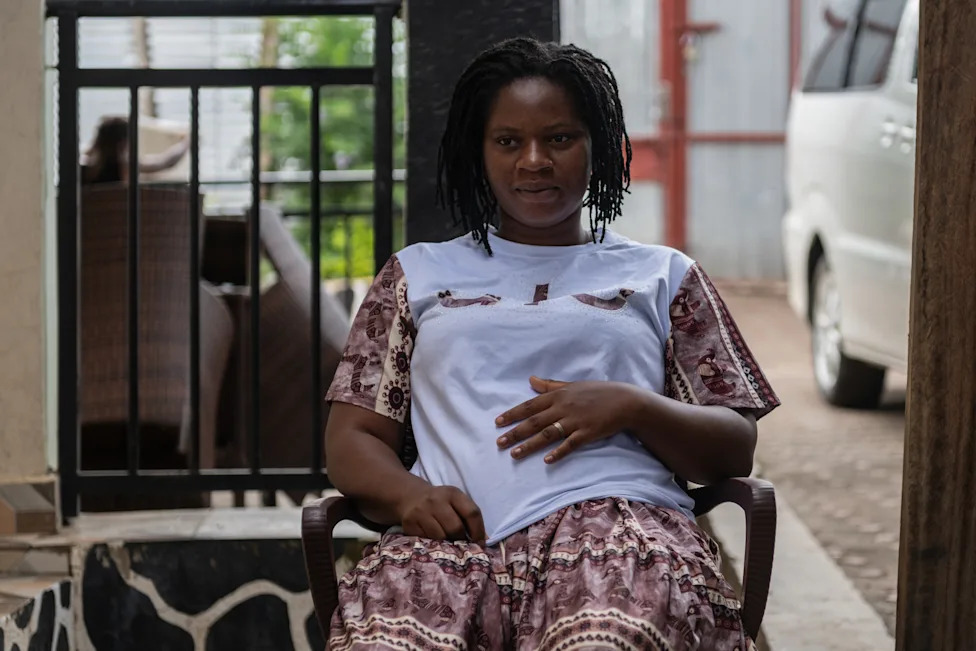
Esther Lutula, a 26 year-old woman who is four months pregnant and a mother of four, sits outside her house in Bunia, northeastern, Congo, Tuesday, June 16, 2026. (AP Photo/Moses Sawasawa)(AP Photo/Moses Sawasawa)
Delaying routine care can be deadly. United Nations Population Fund (UNFPA) data indicate that weekly maternal deaths in Ituri roughly doubled after news of the outbreak, rising from an average of 3.1 deaths before the outbreak to 5.8 deaths per week between May 25 and July 19. During the same period, maternal deaths occurring outside health centers increased from 9.1% to 17.4%.
Fear, Misinformation and Violence
As Congo battles what health officials call the fastest-growing Ebola outbreak on record — with more than 1,600 confirmed deaths — health and aid workers warn of a parallel, shadow crisis: pregnant women avoiding hospitals and lifesaving maternal care.
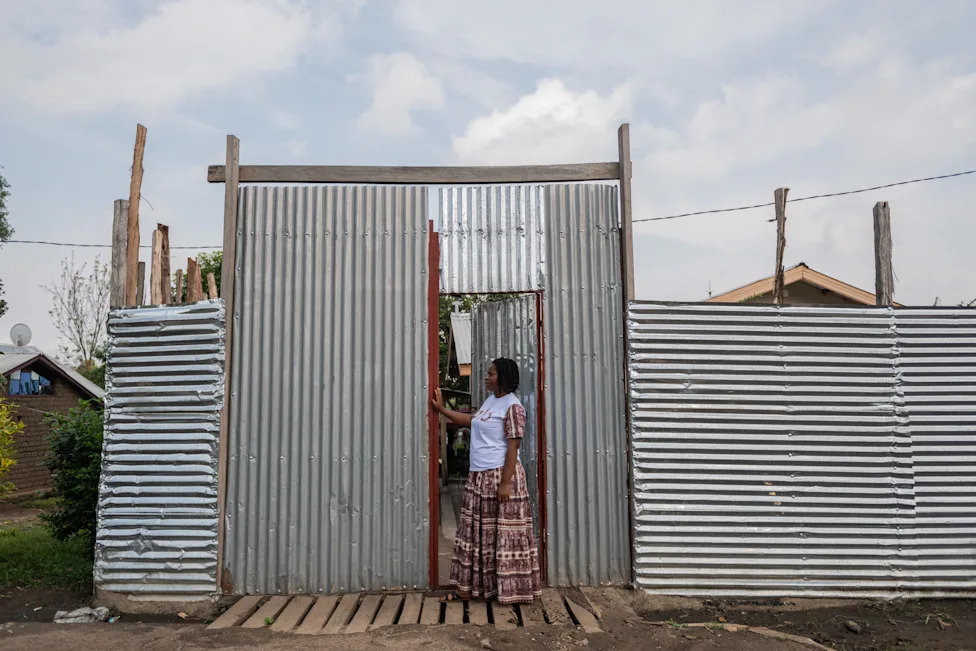
Esther Lutula, a 26 year-old woman who is four months pregnant and a mother of four, who stopped going for prenatal checkups shortly after the current Ebola outbreak, stands outside her house in Bunia, northeastern, Congo, Tuesday, June 16, 2026. (AP Photo/Moses Sawasawa)(AP Photo/Moses Sawasawa)
"With Ebola, the fear is stronger because of persistent rumors," said Noemi Dalmonte, UNFPA's deputy country representative in Congo. In remote and volatile areas of eastern Congo, some residents question whether Ebola exists at all. Health teams face shortages of supplies and intense local mistrust, and response efforts have at times been met with violence: authorities documented at least 12 attacks on health facilities and response teams since mid-May.
At the Bénédicte Clinic in Bunia, monthly prenatal registrations fell from about 60 to roughly 10, according to Dr. Sonny Mwembo, the clinic's medical director. Many facilities in the five affected provinces have redirected staff and supplies to the outbreak response, reducing routine maternal services and complicating access for women who still attempt to seek care.
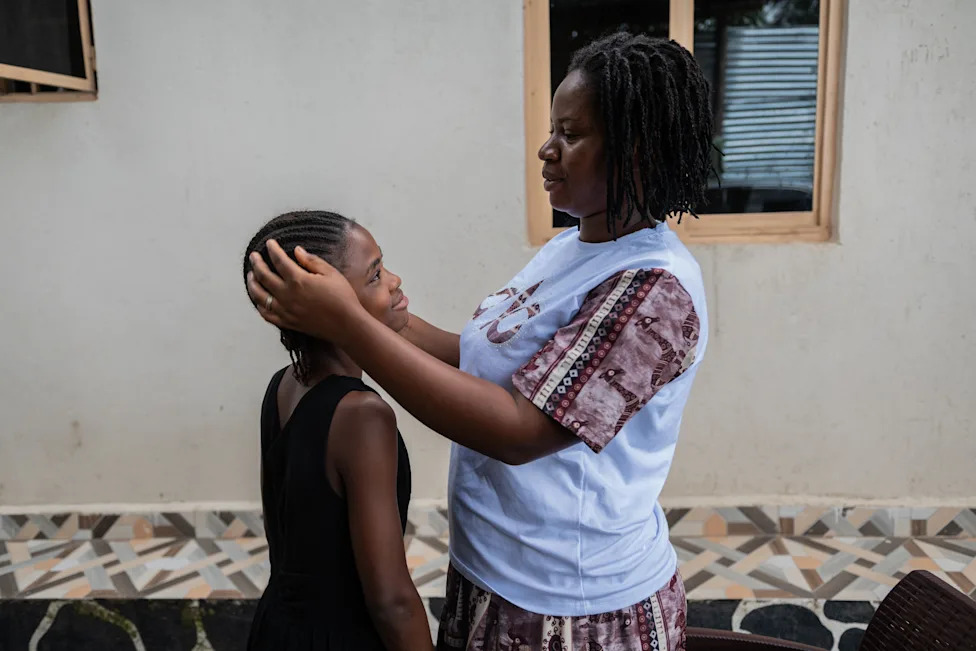
Esther Lutula, a 26 year-old woman who is four months pregnant and a mother of four, who stopped going for prenatal checkups shortly after the current Ebola outbreak, caresses her child outside her house in Bunia, northeastern, Congo, Tuesday, June 16, 2026. (AP Photo/Moses Sawasawa)(AP Photo/Moses Sawasawa)
Health Workers and System Strain
The outbreak has exacted a heavy toll on health workers: at least 44 infected health workers have died, and many others have stopped work in protest over unpaid wages. "We are doing everything we can to make the public understand how dangerous this disease is. We are working day and night without being paid," said Dr. Ghislain Maneba, an epidemiologist and community investigator in Ituri's Rwampara health zone.
Responders say this particular outbreak strain did not have widely available approved treatments or vaccines in the region at the time of reporting, further intensifying fear.
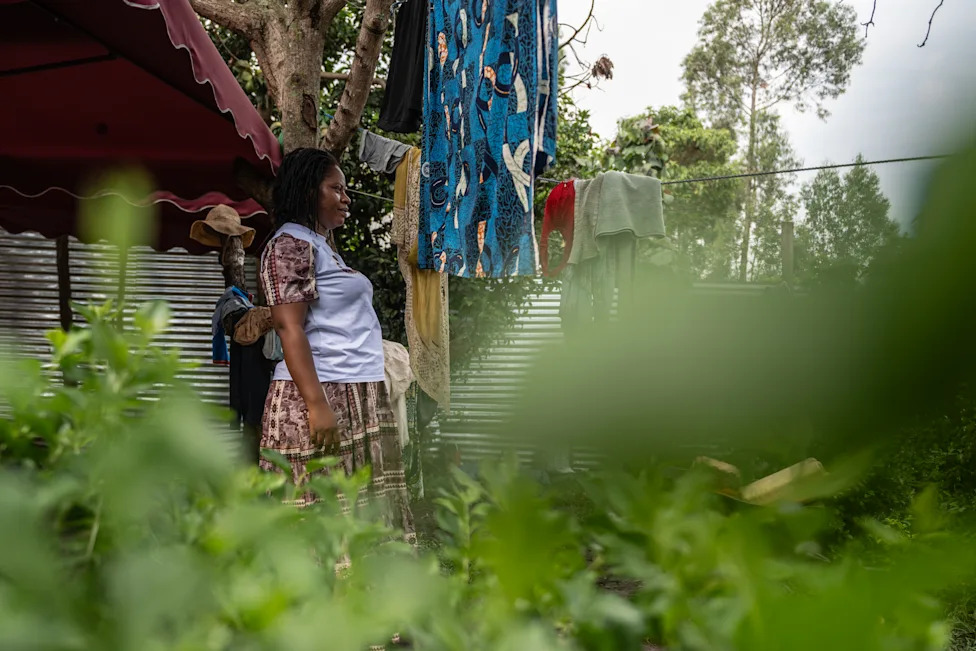
Esther Lutula, a 26 year-old woman who is four months pregnant and a mother of four, who stopped going for prenatal checkups shortly after the current Ebola outbreak, stands outside her house in Bunia, northeastern, Congo, Tuesday, June 16, 2026. (AP Photo/Moses Sawasawa)(AP Photo/Moses Sawasawa)
Women often serve as primary caregivers for sick relatives and represent a significant share of frontline health staff. Associated Press journalists covering the outbreak observed pregnant health workers among response teams. The U.S. Centers for Disease Control and Prevention notes that pregnant women with Ebola face higher risks, including miscarriage.
"Many pregnant women who avoid care could die not from Ebola itself but because the care that would have saved them was no longer accessible, trusted or safe," Dalmonte said.
Congo already faces some of the world's highest rates of childbirth and pregnancy-related deaths. Women in the country have nearly six children on average, and U.N. figures indicate about 19,000 pregnancy-related deaths in Congo in 2023 — a figure that ranks among the highest globally.
Health and aid groups say reversing the surge in maternal deaths will require rebuilding public trust, protecting health teams and clinics from violence, restoring routine maternal services, and fighting misinformation so pregnant women know when and how to seek safe care.
Reporting for this story included contributions from Asadu in Abuja, Nigeria.
Help us improve.