
The DNC Rules and Bylaws panel has recommended that South Carolina host the first Democratic primary on January 22, 2028, keeping the state’s influential Black electorate at the center of the nomination fight. Nevada, New Hampshire, New Mexico, Michigan and Virginia would follow on Tuesdays beginning February 1, and those six contests would be the only Democratic primaries before Super Tuesday. Progressives warn the move could advantage centrist candidates; the full DNC will vote on the calendar at its August meeting.
Why South Carolina’s First-in-the-Nation Democratic Primary Is Splitting the Party
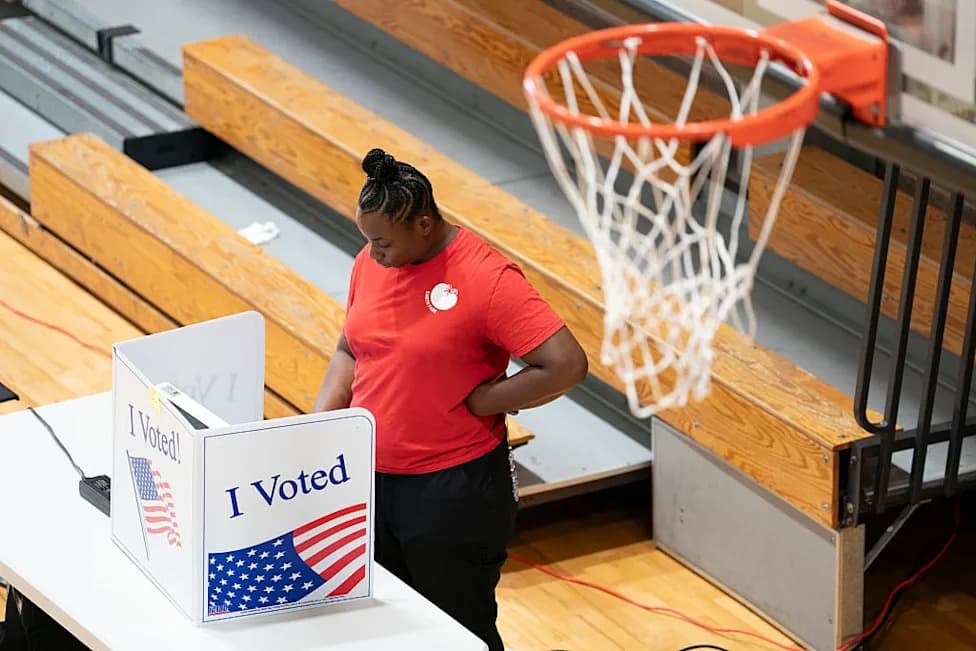
Why South Carolina Holding Onto The First Democratic Primary Spot Is Dividing The Party
South Carolina — and especially its Black electorate — is poised to play an outsized role in selecting the Democratic nominee for president in 2028. The Democratic National Committee’s Rules and Bylaws panel has recommended that the state hold the first Democratic primary on January 22, 2028, a decision that continues South Carolina’s elevated status in the party’s nominating calendar.
What the Panel Decided
The panel’s proposed calendar places South Carolina ahead of five other states that had competed for the opening slot. Under that plan, Nevada, New Hampshire, New Mexico, Michigan and Virginia would hold their Democratic primaries on successive Tuesdays beginning February 1, 2028. Those six contests would be the only Democratic primaries before Super Tuesday. The full Democratic National Committee is scheduled to vote on the proposed calendar at its August meeting.
Why South Carolina Matters
Black voters make up nearly a quarter of South Carolina’s electorate and are the dominant force in the state Democratic Party. For many candidates, a strong showing in South Carolina has signaled an ability to organize Black voters nationally. Joe Biden’s 2020 primary victory in South Carolina reinvigorated his campaign and helped propel him toward the nomination. The state’s senior Democratic congressman, Rep. James Clyburn, is often cited as an influential figure in that dynamic.
Progressive Concerns
Progressive Democrats worry that elevating South Carolina to the lead spot may advantage more moderate or centrist candidates. Historically, South Carolina’s Democratic primary electorate has tended to back centrists in some recent cycles — for example, Hillary Clinton in 2016 and Joe Biden in 2020 over Bernie Sanders. As members of the Democratic Socialists of America and other progressive groups gain ground in local and congressional primaries, some see the calendar move as a potential roadblock to progressive momentum in the presidential race.
“The public is swinging left, and the establishment is trying to fight the winds of change,” a member of the Rules and Bylaws panel told Axios, warning that the selection could “shut down” progressive presidential campaigns.
What Comes Next
Even before the panel’s recommendation, numerous prospective Democratic candidates — both moderate and progressive — had been visiting South Carolina to meet voters. Whether the state becomes a decisive early test that favors centrists or a proving ground where adaptable candidates win broad support will shape internal party debate about strategy and identity leading into 2028.
Note: The panel’s recommendation still requires approval by the full Democratic National Committee at its August meeting before the calendar is finalized.
Help us improve.





















