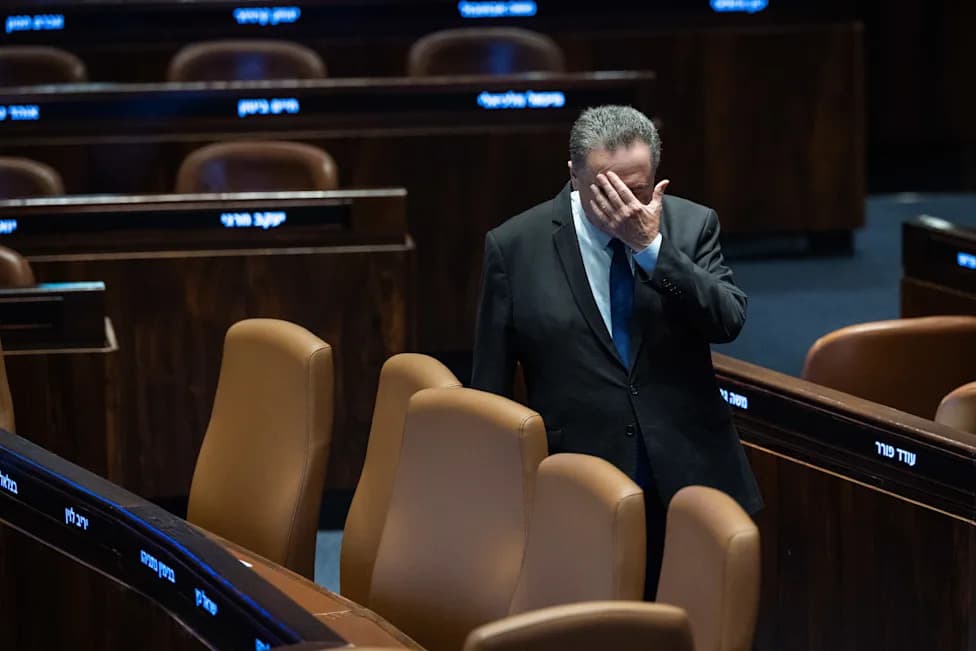
Washington is pushing a verification-based roadmap to disarm Hamas and rebuild Gaza while Israel continues targeted strikes against militants. U.S. officials stress the plan depends on independent confirmation at each phase, not blind trust, and have warned Israel they expect compliance. Tensions persist because Israeli security operations—especially strikes on commanders—can complicate the political conditions needed for disarmament and reconstruction. The plan's success may depend as much on managing U.S.-Israel diplomatic friction as on convincing Hamas to relinquish its weapons.
Trump's Gaza Plan Faces Strain as Israeli Strikes Clash With U.S. Disarmament Roadmap
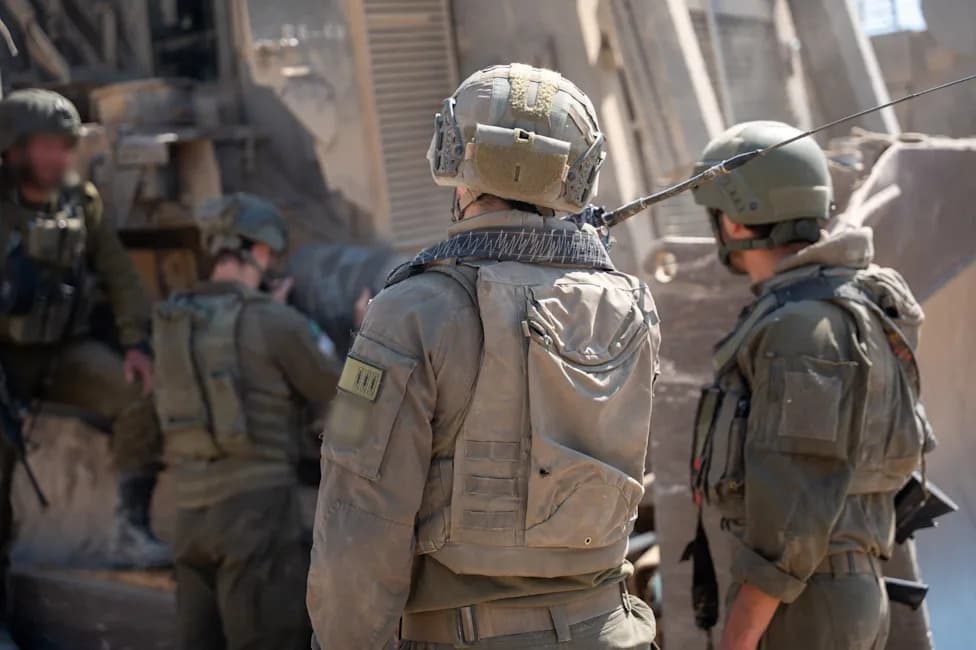
IDF SOLDIERS operating in the Gaza Strip. (photo credit: IDF SPOKESPERSON
Washington is pressing to preserve a verifiable roadmap to disarm Hamas even as Israel says it must continue targeted operations against militants in Gaza. The diplomatic initiative — championed by the Trump administration and supported by regional partners — envisions complete Hamas disarmament, transfer of civilian governance to a technocratic Palestinian administration, deployment of an international stabilization force, and a major reconstruction push for Gaza.
But the gap between that diplomatic blueprint and the operational reality on the ground is widening.
Recent Strikes and Rising Tensions
Over a recent weekend the Israel Defense Forces (IDF) reported precision strikes that it says killed operatives from Hamas, Palestinian Islamic Jihad and the Army of Islam, including field commanders and members of the Nukhba involved in the October 7 attack. The military stated these individuals were actively planning attacks on Israeli civilians and IDF forces and were removed to eliminate imminent threats. The IDF also emphasized that its troops remain deployed in Gaza under the existing agreement and will continue to act against security dangers.
Washington's Focus: Verification, Not Trust
U.S. and international officials insist the roadmap is not built on blind trust but on independent verification. Senior White House and Board of Peace officials said each phase of the plan would be conditional on independent confirmation that the previous step had been completed. That verification mechanism is intended to reassure Israel while compelling Hamas to meet disarmament and hostage-related obligations.
“We are not asking Israel to trust Hamas,” officials said. “We are asking Israel to trust the verification mechanism.”
Where Diplomacy and Security Collide
From Jerusalem's perspective, there is no contradiction between diplomatic engagement and continued operations: Israel maintains it has both the right and the obligation to neutralize terrorists who pose an immediate risk. But U.S. and international mediators warn that new strikes can complicate the political environment necessary to advance the roadmap — and may give Hamas grounds to argue Israel is undermining the spirit of the agreement.
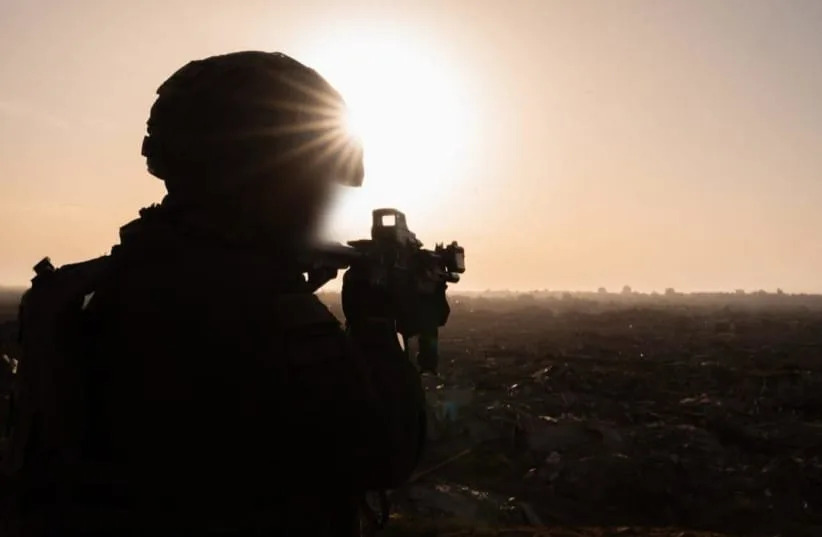
IDF destroys four Hamas tunnels in Gaza over weekend, April 14, 2026. (credit: IDF SPOKESPERSON'S UNIT)
Nikolay Mladenov, the Board of Peace's High Representative for Gaza, warned that recent strikes caused civilian casualties and damage to critical medical infrastructure. He urged all parties to create the space needed for the plan's full implementation and said durable peace is difficult but achievable if each party exerts maximum effort.
White House officials told reporters they expect Israel to honor commitments it already accepted under President Donald Trump's framework and warned they would be "very, very disappointed" if Israel failed to do so. At the same time, U.S. officials acknowledged Israel's deep skepticism that Hamas will fully disarm or return hostages and bodies as promised.
The Core Dilemma
The Trump administration's central challenge may not be solely convincing Hamas to relinquish weapons. It may be managing the persistent tension between Israel's operational freedom to defend itself and Washington's push to preserve a narrow political window for verification, reconstruction, and demilitarization. Every military operation carries political consequences that could extend beyond its immediate tactical value.
From Israel's standpoint, military planners are unlikely to suspend targeted operations against active threats merely to preserve diplomatic optics. As long as threats remain, Israeli officials contend, the military will continue to act.
Ultimately, the viability of the plan may hinge on whether Washington and Jerusalem can maintain an increasingly delicate balance between operational necessity and the diplomatic framework designed to reshape Gaza's future.
IDF destroys four Hamas tunnels in Gaza over weekend, April 14, 2026. (Credit: IDF Spokesperson's Unit)
Help us improve.