Environment Ministry State Secretary Jochen Flasbarth has urged a national heat action plan for 2027 to coordinate measures across Germany after a deadly summer heatwave. Estimates from the Robert Koch Institute place heat-related deaths at nearly 10,000 by mid‑July, the highest since 2016. Flasbarth criticised the Federal Court of Auditors for its rebuke of the ministry’s adaptation programme and said the government may pursue a constitutional remedy to overturn that finding.
Germany Urged to Adopt National Heat Action Plan for 2027 After Deadly Heatwave
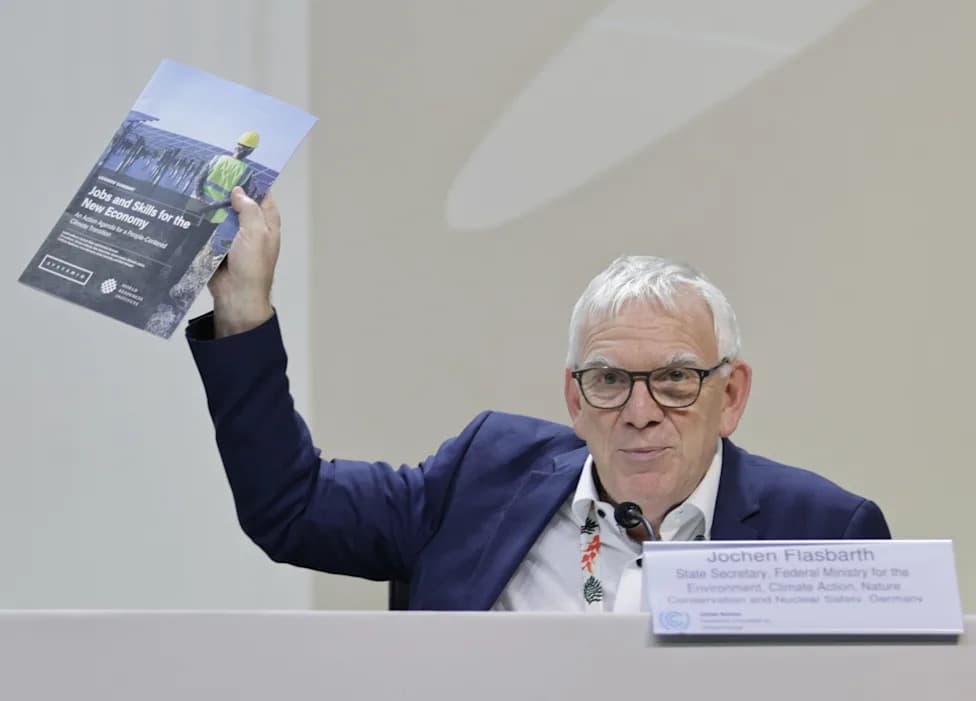
FILE PHOTO: German author Jochen Flasbarth speaks during the UN Climate Change Conference COP30 in Brazil. (is associated with: «German official calls for national heat action plan for 2027») Rafa Pereira/COP30/dpa
Following record summer temperatures across Germany, Environment Ministry State Secretary Jochen Flasbarth has urged the government to adopt a national heat action plan to coordinate state measures and better protect vulnerable people ahead of next summer.
Call for a Coordinated Response
"I believe the lesson we have learned from this summer is: next summer we also need a national action plan that then bundles together everything from the [German federal] states," Flasbarth told public broadcaster ZDF. He said the federal government is working closely with state administrations, many of which already have their own heat action plans.
Human Toll and Health-System Strain
Estimates from the Robert Koch Institute (RKI) put heat-related deaths at nearly 10,000 across Germany by mid‑July — a level higher than any single year since 2016. The surge in fatalities has sharpened concerns about preparedness, particularly because many hospitals and social facilities still lack adequate air conditioning and cooling infrastructure.
Dispute With the Federal Court of Auditors
Flasbarth sharply criticised the Federal Court of Auditors over its critique of the Environment Ministry’s programme "Climate Adaptation in Social Facilities," saying the auditors accused the ministry of significantly exceeding its powers. He said the government intends to challenge the finding and may pursue a constitutional remedy to counter what he called "completely excessive criticism."
Urgency and Next Steps
Flasbarth stressed that adapting to extreme heat is a societal challenge and warned that progress has been too slow. He also criticised repeated calls for a more cautious approach to climate action, arguing such delays "are creating the suffering of the day after tomorrow." The ministry aims to have a unified national plan in place for the next warm season to standardise warnings, protect at-risk groups and improve hospital preparedness.
What This Would Do: A national heat action plan would aim to harmonise early-warning systems, cooling centres, guidance for health facilities, and measures to protect the elderly and chronically ill, while coordinating funding and responsibilities between federal and state levels.
Help us improve.