At least 21 students died by suicide after India cancelled and rescheduled NEET following an alleged question-paper leak, forcing nearly two million candidates to retake the exam. The story follows two victims—17-year-old Kahaan Patel and 23-year-old Pradeep Kumar—and the enormous emotional and financial toll on their families. Their deaths helped fuel mass youth protests in Delhi and contributed to Education Minister Dharmendra Pradhan’s resignation on 25 July. Families are now demanding accountability and systemic reforms to protect students.
‘What Was My Fault?’: How A NEET Paper Leak Cost Young Lives And Sparked Mass Protests
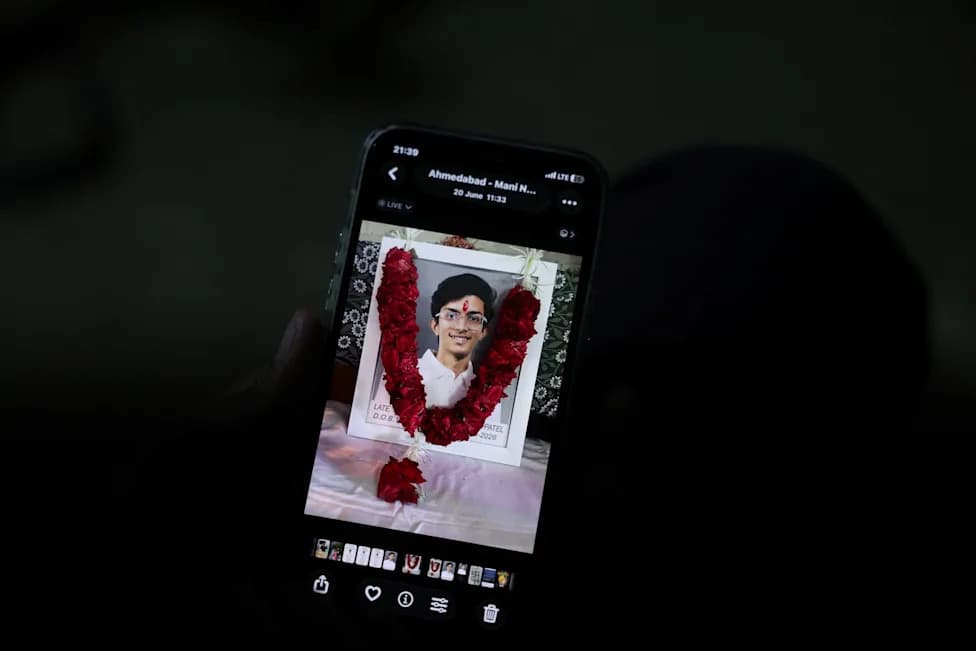
Three days before his rescheduled exam, 17-year-old Kahaan Patel took his life [Reuters]
Three days before he was due to sit the rescheduled National Eligibility cum Entrance Test (NEET), 17-year-old Kahaan Patel leapt from the sixth floor of his family's apartment block in Ahmedabad in the early hours of 18 June. His open laptop, scattered textbooks and a plugged-in electric guitar were left behind — quiet traces of a life cut short.
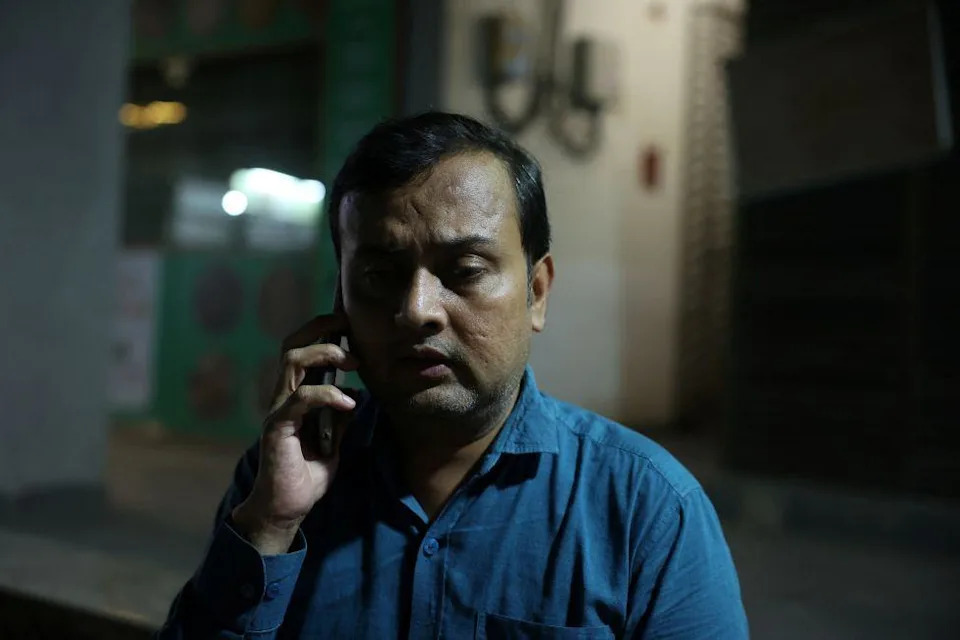
Prashant Patel moved his family to Ahmedabad so that his son could go to a better school and prepare for his exam [Reuters]
Background
At least 21 students died by suicide after this year's NEET was cancelled and a nationwide retest announced following allegations that the exam paper had been leaked. Nearly two million candidates were forced to retake the high-stakes test, triggering widespread anger and a youth-led uprising in Delhi in July.
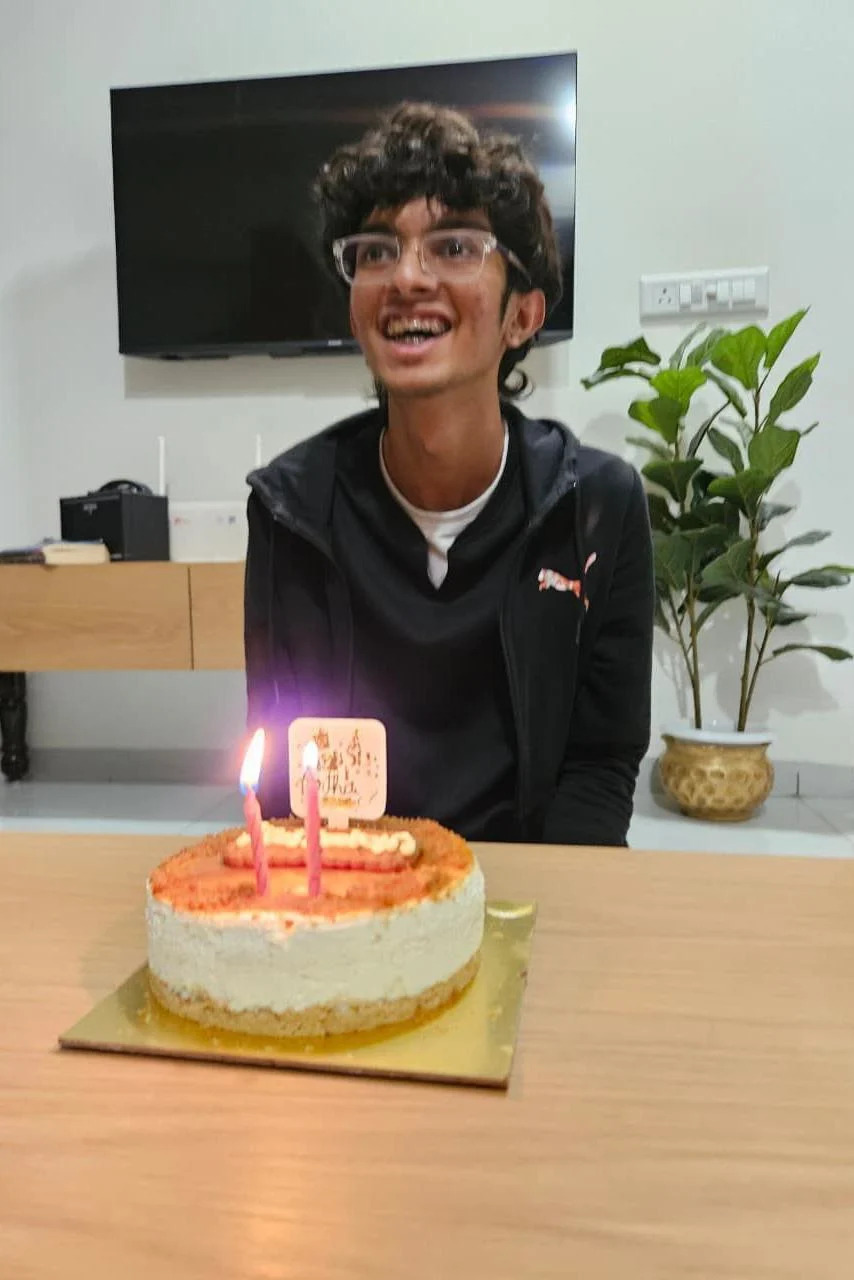
After scoring well in school leaving exams, Kahaan announced that he wanted to become a doctor [BBC]
Two Young Lives
Kahaan Patel, 17 (Ahmedabad): After scoring well in school leaving exams, Kahaan declared his ambition to become a doctor. His family moved from Surat to Ahmedabad to support his preparation. He enjoyed football, fantasy novels and playing hard-rock guitar. On 3 May he left the exam confident. When the leak emerged and a retest was called, he grew increasingly frustrated and disillusioned about the fairness of the system. On 18 June he took his own life.
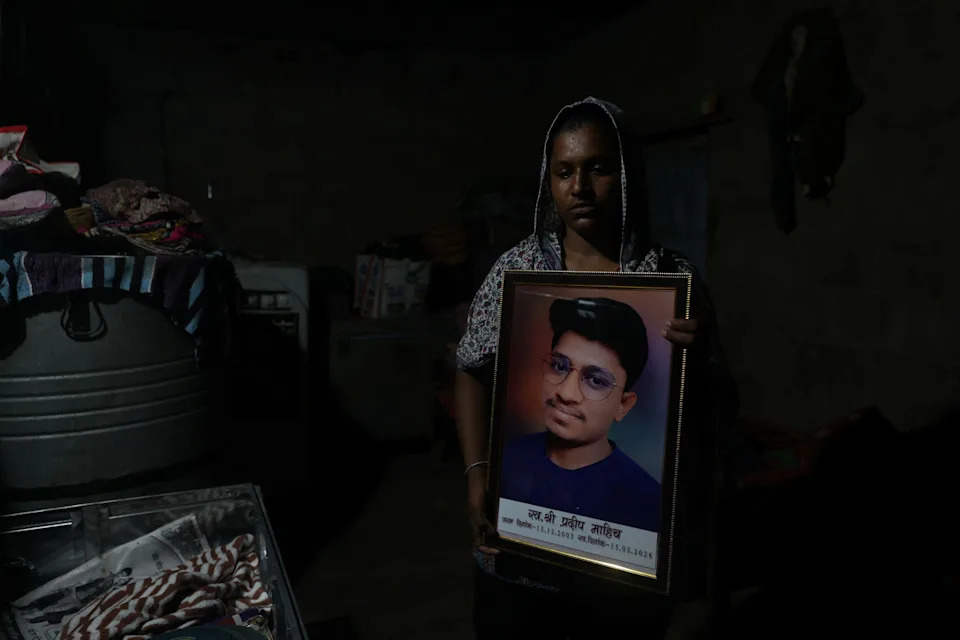
Babita Kumar holds a photograph of her brother, Pradeep Kumar, who took his own life before the NEET retest [Reuters]
Pradeep Kumar, 23 (Jhunjhunu, Rajasthan): The only student in his village preparing for NEET, Pradeep came from a family that sold land and took on loans to pay for coaching in Sikar. After two improving attempts, he believed admission to a government medical college was within reach. Following the leak and the announcement of a retest, the relentless strain returned. On 15 May, he died by suicide in his rented room.
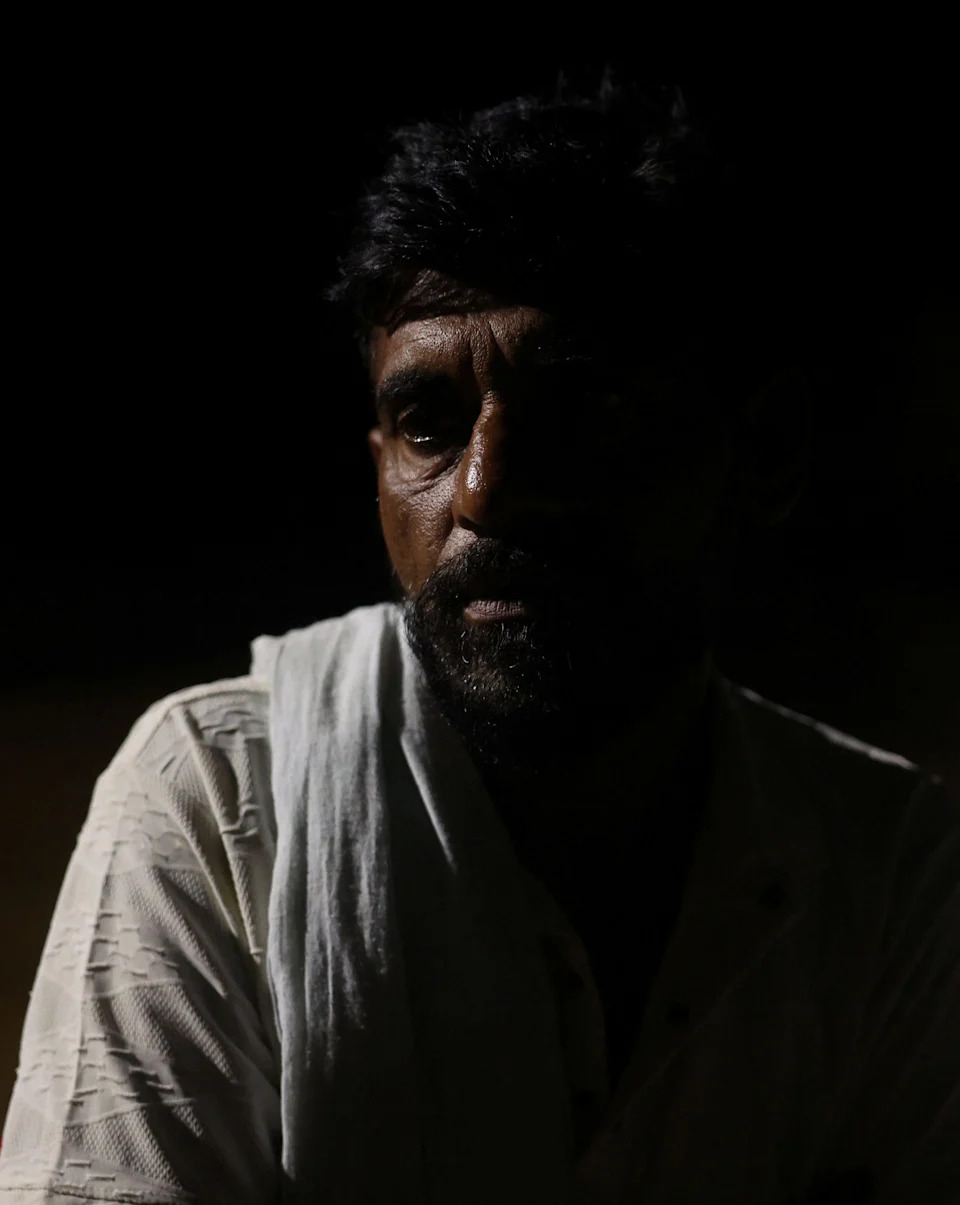
Rajesh Kumar sold land and took a bank loan to finance his son, Pradeep's, education. [Reuters]
Impact And Response
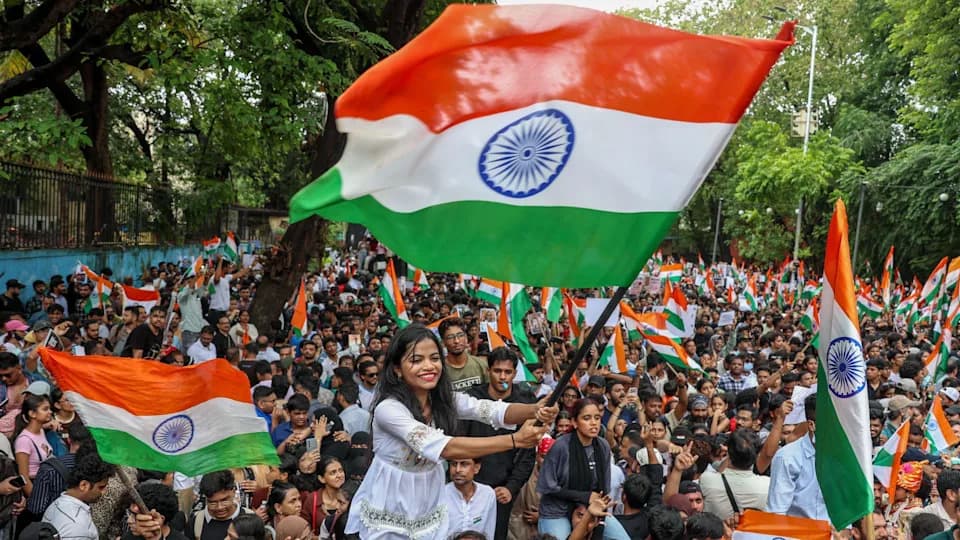
The deaths became the emotional centre of mass street protests in Delhi, led in part by the satirical Cockroach Janta Party (CJP). Students and families demanded accountability for repeated examination failures and allegations of corruption. After sustained demonstrations and public outcry, Education Minister Dharmendra Pradhan resigned on 25 July. The government offered condolences and promised compensation "in accordance with the rules and regulations."
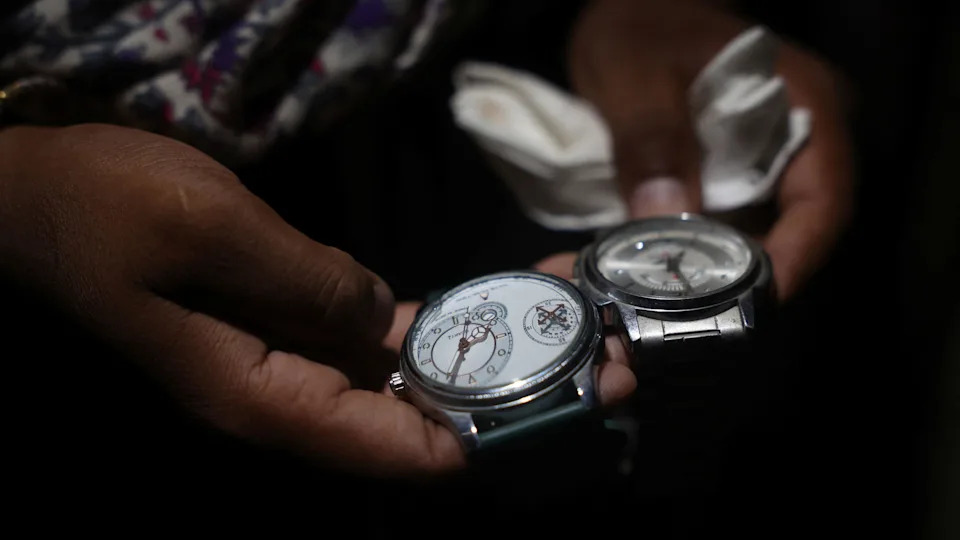
Pradeep Kumar's only indulgence was a collection of inexpensive wristwatches, bought from roadside shops [Reuters]
"The only thing missing," Kahaan's father Prashant Patel said quietly, "was Kahaan."
Families And Systemic Strain
The two families profiled here represent starkly different social realities: one the child of a lawyer with prospects of travel and leisure, the other the son of a small farmer who mortgaged his land for coaching fees. Both questioned how a system designed to reward merit could leave sincere students feeling betrayed and hopeless.
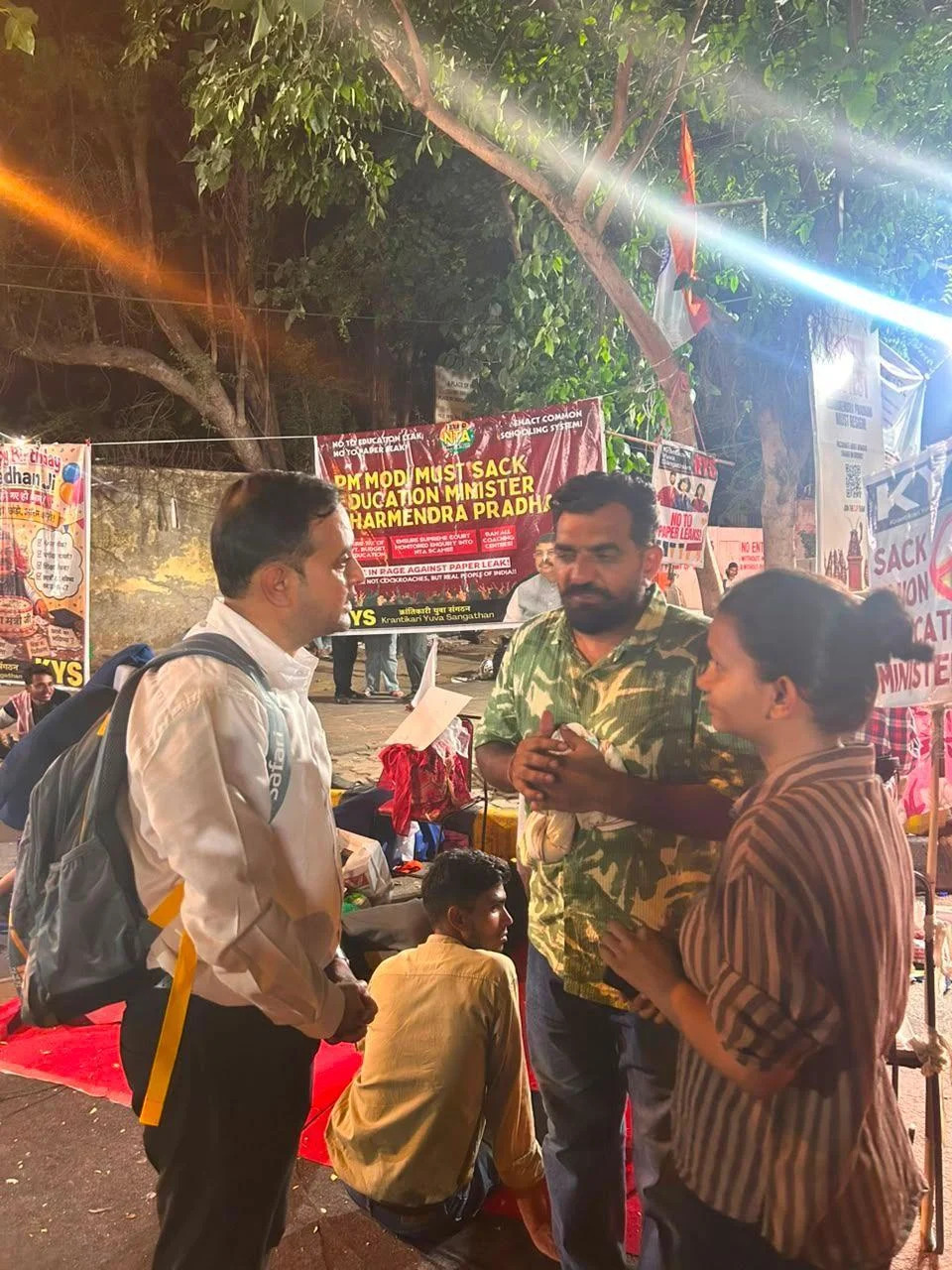
Prashant Patel (left) joined the students' protest in Delhi after his son's death [BBC]
For many families, the costs were not only emotional but deeply financial. Parents reported selling assets and borrowing heavily to fund private coaching—factors that increased pressure on students to succeed. Critics say the crisis exposed vulnerabilities in India’s high-pressure, high-stakes exam culture and raised urgent questions about fairness, oversight and mental-health support for aspirants.
Aftermath
Grieving families sought accountability rather than only compensation. Prashant Patel travelled to Delhi to join student protests and said he was motivated by the desire for justice: "Our duty is to hear the voices of the young before they fall silent." The movement drew attention to the human cost of systemic failures and amplified calls for reforms to protect students and ensure exam integrity.
The scandal has forced policymakers and the public to confront how high-stakes testing, alleged corruption and limited support systems can combine with devastating consequences. Families and students continue to press for clearer investigations, accountability and measures to reduce the psychological and financial burden on candidates.
Help us improve.