The High Court will hear a petition from 10 Palestinian residents, backed by Adalah and Gisha, challenging two Knesset laws (October 2024) and a December 2025 amendment that sharply restrict UNRWA operations and expand enforcement powers. Petitioners say the measures have disrupted schools, health centers and other services in east Jerusalem, the West Bank and Gaza and risk irreversible harm; the state disputes the claims and points to alternative arrangements and security concerns. The hearing will weigh both the practical impacts and international-legal questions, including an ICJ advisory opinion and a UNGA mandate extension for UNRWA.
High Court to Hear Challenge to Laws Restricting UNRWA as Petitioners Say Services Were Disrupted
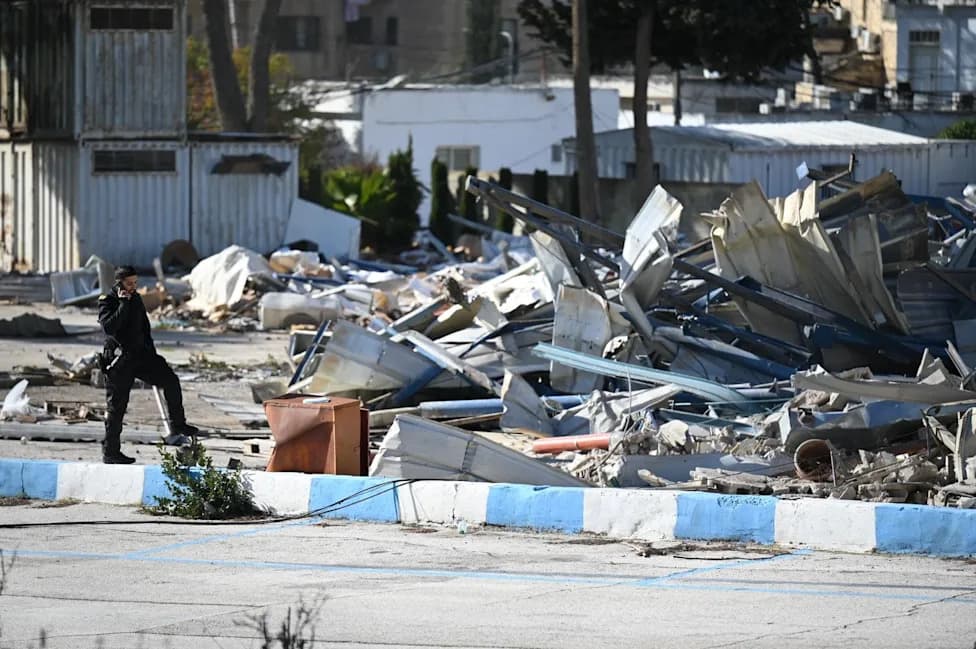
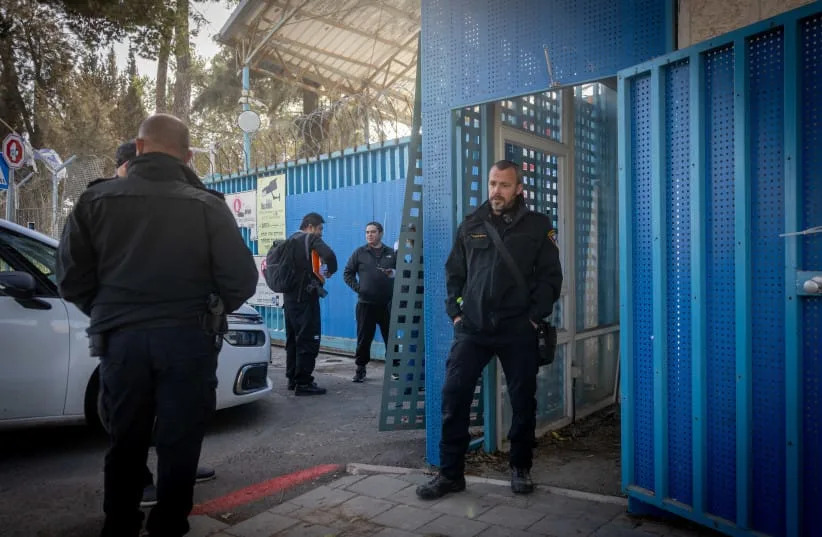
Israel begins dismantling UNRWA facility, January 20, 2026. (photo credit: Yoav Dudkevitch/TPS-IL)
The High Court of Justice will on Monday hear a petition by 10 Palestinian residents, supported by the legal groups Adalah and Gisha, challenging a series of Knesset laws and an amendment that have sharply limited the activities of the United Nations Relief and Works Agency for Palestine Refugees in the Near East (UNRWA). UNRWA itself is not a petitioner in the case. The hearing will be heard by Justices Ofer Grosskopf, Gila Canfy-Steinitz and Yechiel Kasher.
What the Laws Do
At the core of the dispute are two statutes enacted in October 2024 and a December 2025 amendment. One law bars UNRWA from operating in areas that Israeli law recognizes as sovereign Israeli territory; the other prohibits Israeli authorities from maintaining contact with the agency. The December 2025 amendment broadened enforcement powers, including authorizing the disconnection of water, electricity, fuel and communications from properties used by UNRWA, powers to seize or expropriate specific sites, and exclusion of the agency from protections under Israeli legislation that implements UN privileges and immunities.
Alleged Impacts and Enforcement Actions
Petitioners say the laws have not merely regulated Israel’s formal relationship with UNRWA but have in practice disrupted — and in some cases shut down — services relied upon by large segments of the Palestinian population, including education, health care, welfare and emergency assistance. They contend that closures, demolitions and utility disconnections have already created or risk creating irreversible facts on the ground.
Documented enforcement actions cited in the petition include:
Israel Police forces seen outside the UNRWA center in Jerusalem, as part of a raid on the center, December 8, 2025 (credit: CHAIM GOLDBERG/FLASH90)
- December 8, 2025: Police and Jerusalem municipal officials entered UNRWA’s Sheikh Jarrah headquarters, seized equipment, removed the UN flag and raised an Israeli flag; officials said the operation related to unpaid property taxes and to establishing who was occupying the site.
- January 20, 2026: The Israel Land Authority, with police and Border Police, returned to the Sheikh Jarrah compound and demolished most structures there, an action petitioners describe as irreversible harm arising from the amendment.
- January 27–28, 2026: UNRWA reported water and electricity were cut to facilities in the Shuafat refugee camp, affecting schools, a health center and other service points; the state later confirmed providers had sent notices and disconnected power at 10 UNRWA-linked properties.
- July 2026 (and prior incursions): Israeli forces and municipal personnel entered the Kalandia Training Center during operations that confined students and staff; the center provides vocational training to refugee communities across the West Bank.
Legal Arguments
The petitioners ask the court to strike down the legislation as violating Palestinians’ rights to dignity, education, health and property, or alternatively to rule that the laws cannot be applied — directly or indirectly — in the West Bank or Gaza. They emphasize that UNRWA’s infrastructure and workforce in those territories cannot be readily replaced.
The state has urged the court to dismiss the petition. In updated filings it says alternative educational arrangements were put in place for students affected by school closures in east Jerusalem, and that other humanitarian actors and aid mechanisms operate in Gaza. The government argues many grievances concern individual enforcement actions better addressed in administrative proceedings and frames the laws as sovereign responses to security concerns prompted by allegations that some UNRWA employees or facilities had links to Hamas and other armed groups. UNRWA rejects claims that the agency as a whole is tied to terrorist organizations.
International Law Context: The International Court of Justice, in an October 22, 2025 advisory opinion, found that Israel, as an occupying power, is required to agree to and facilitate humanitarian relief schemes provided by UN bodies, including UNRWA, and must not obstruct delivery of essential services to the Palestinian population.
On December 5, 2025 the UN General Assembly extended UNRWA’s mandate until June 30, 2029 by a vote of 151–10 (14 abstentions), and a separate resolution cited the ICJ opinion while calling on Israel to respect the agency’s mandate and privileges.
Procedural History and What's Next
The case was originally filed in January 2025. Justice Dafna Barak-Erez previously declined to freeze the laws, noting the state’s representations about preparations and alternative services. In January, a three-justice panel denied a renewed request to freeze the December amendment because the petition had not yet been updated, and ordered the amended petition that is now before the court. Monday’s hearing is expected to focus both on the practical effects the petitioners attribute to the legislation and on whether those effects justify the exceptional remedy of annulling primary statutes.
Help us improve.