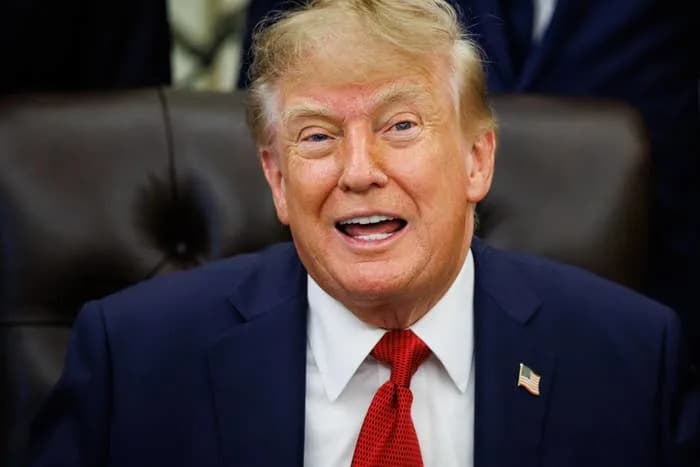
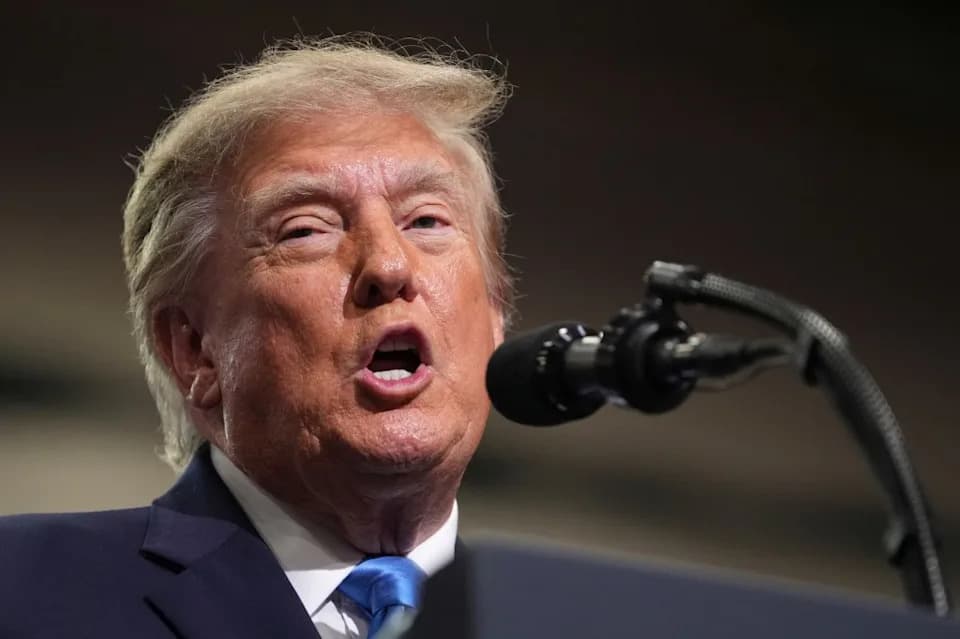
Key Takeaway: A C-SPAN clip from July 25, 2026 shows Donald Trump saying, “I won three times, now I'm going to do it again,” a line he has repeated publicly. Legal scholars say the recurring remark raises questions about constitutional norms and the limits of political rhetoric. Supporters call it bravado; critics argue the repeated phrasing can erode institutional boundaries and deserves sustained scrutiny.
“I Won Three Times, Now I'm Going To Do It Again”: Why Legal Experts Say Trump’s Repeated Joke Is Alarming
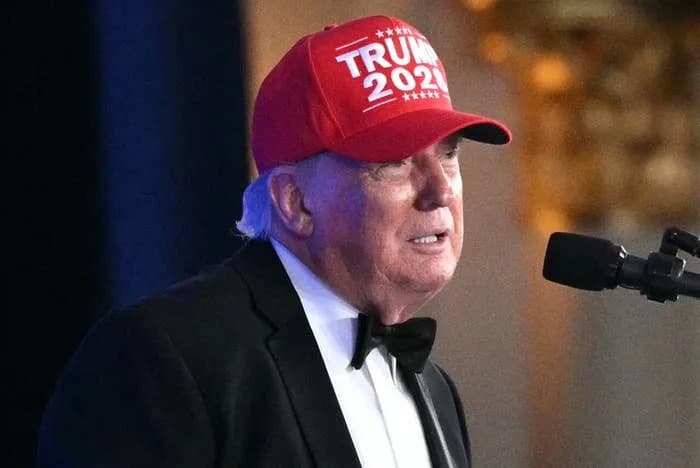
MANDEL NGAN / Getty Images
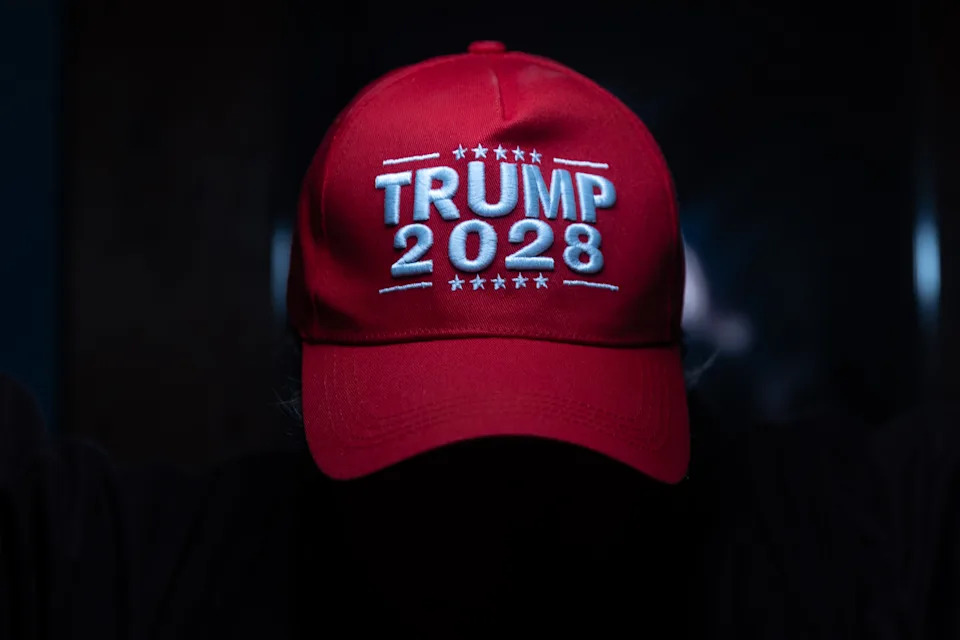
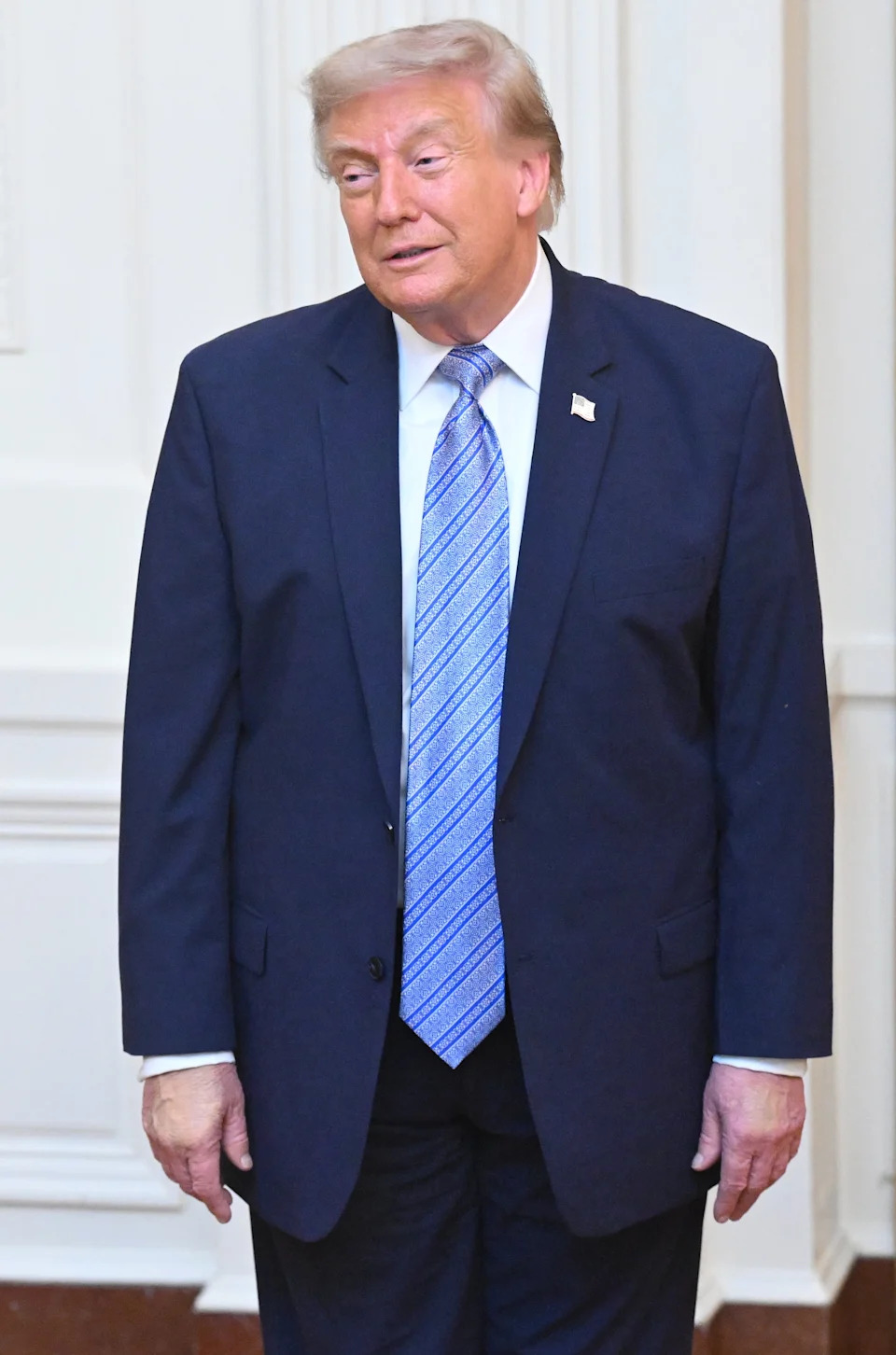
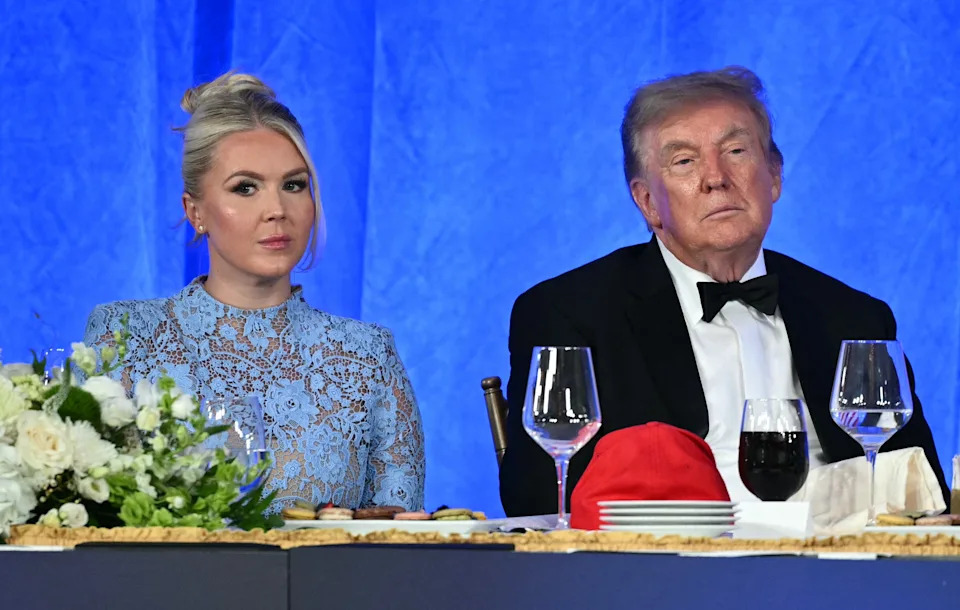
Former President Donald Trump has repeatedly used the same offhand line about seeking another White House term, and the quip has drawn sustained attention from legal scholars, commentators and the wider public.
What He Said
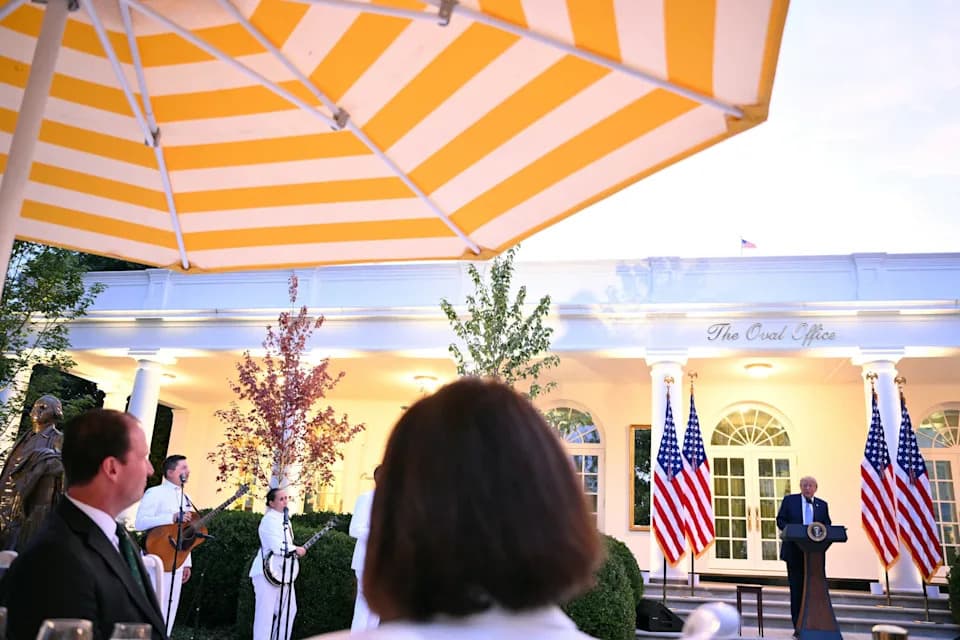
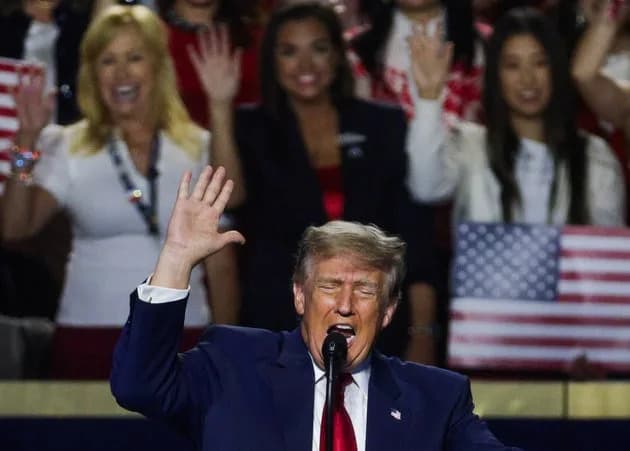
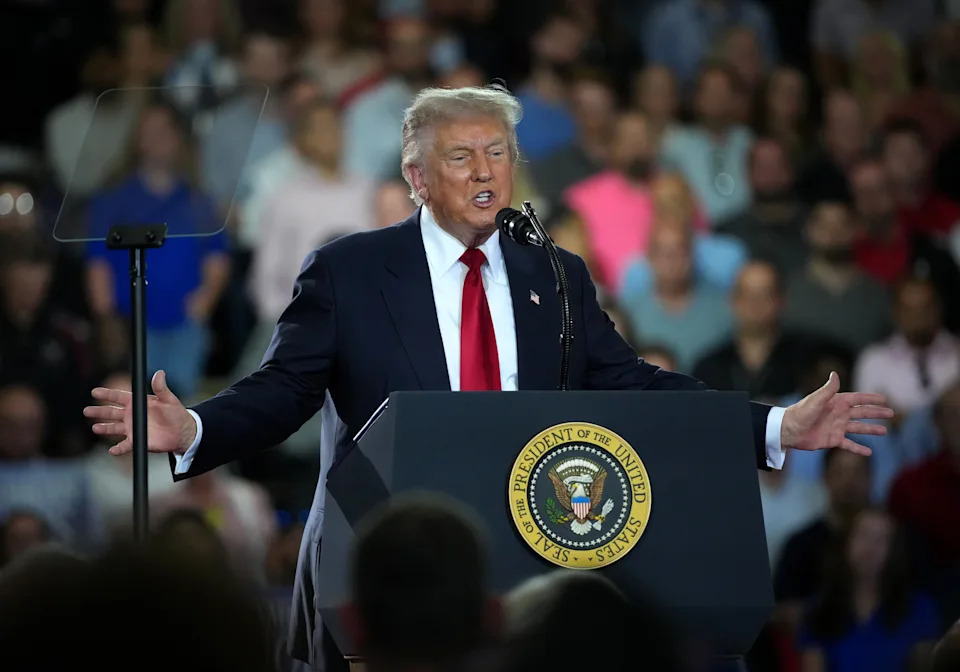
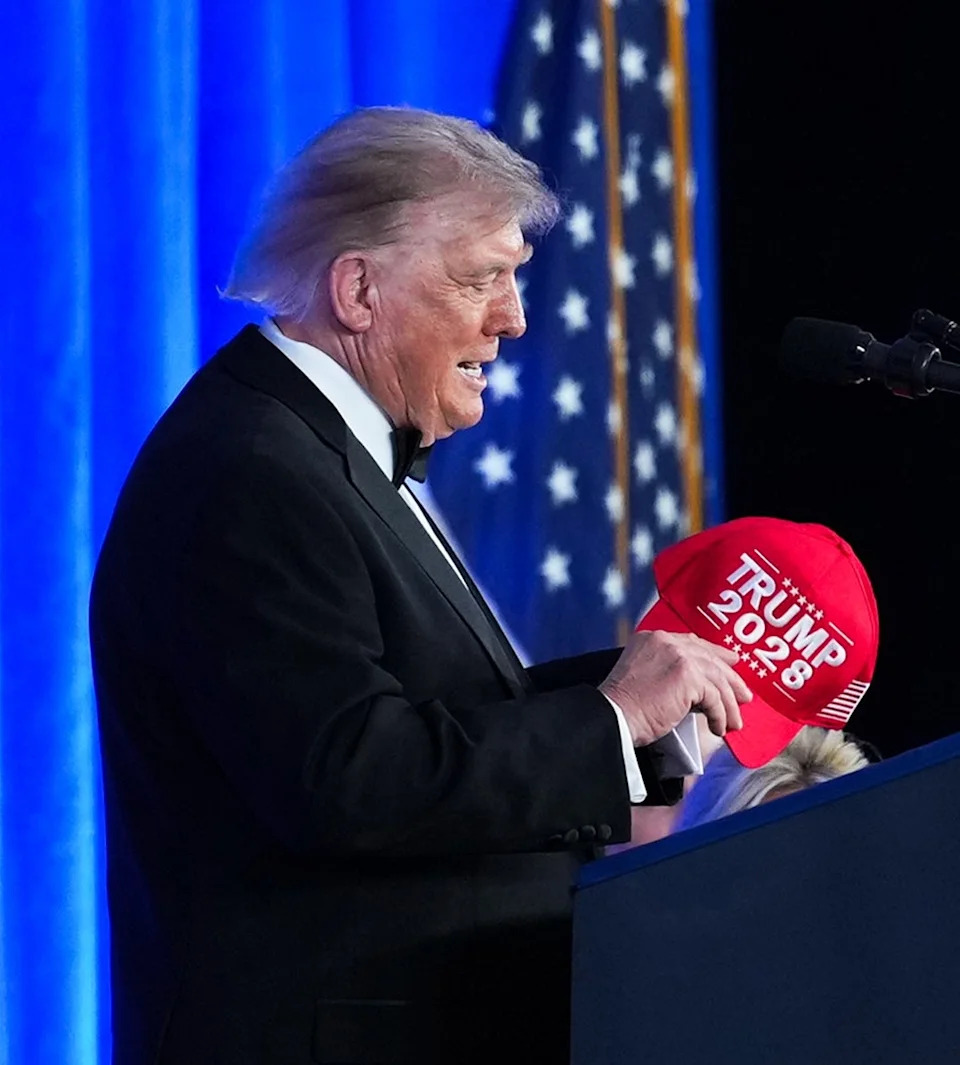
At a public appearance this month, Trump delivered the line,
“I won three times, now I'm going to do it again.”The brief remark was captured and shared by C-SPAN on July 25, 2026, and the clip quickly spread across social platforms and broadcast outlets.
Why Legal Experts Are Concerned
Although many supporters treated the comment as boastful humor, several constitutional scholars and legal analysts told reporters they find the repetition troubling. Observers say the phrasing — presented as if a fourth term were a straightforward extension of prior victories — raises questions about respect for constitutional limits, democratic norms and institutional boundaries. Critics argue the repeated line can normalize ideas that challenge established conventions, even if it is delivered rhetorically as provocation or a joke.
How The Comment Has Played Out
Media outlets and social platforms amplified the C-SPAN clip, and cable news segments and commentary threads debated whether the remark was mere bravado or part of a broader pattern of rhetoric that tests democratic institutions. Supporters largely dismissed concerns as partisan overreaction; critics warned that repeated, suggestive language from a prominent political figure can have real legal and political consequences, particularly when amplified by a large, devoted audience.
What Comes Next
Legal scholars say they will continue to scrutinize public statements for their substance and potential implications. Whether treated as a joke or a political signal, the exchange has prompted a wider conversation about language, precedent and the health of constitutional norms in American politics.
Note: This piece originally appeared on HuffPost and is based on a C-SPAN clip circulated on July 25, 2026.
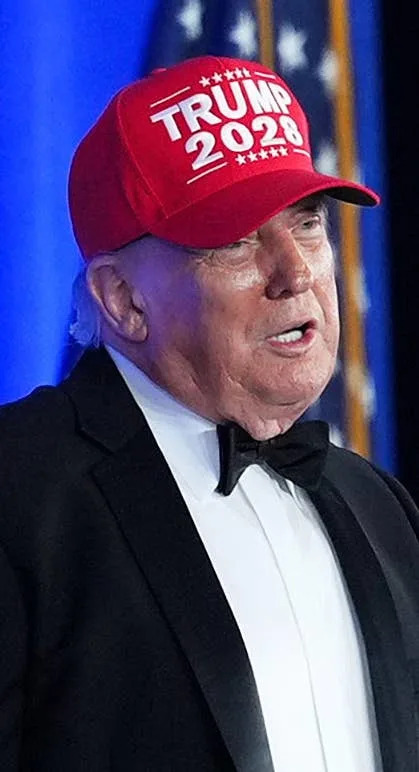
Eric Lee / Getty Images
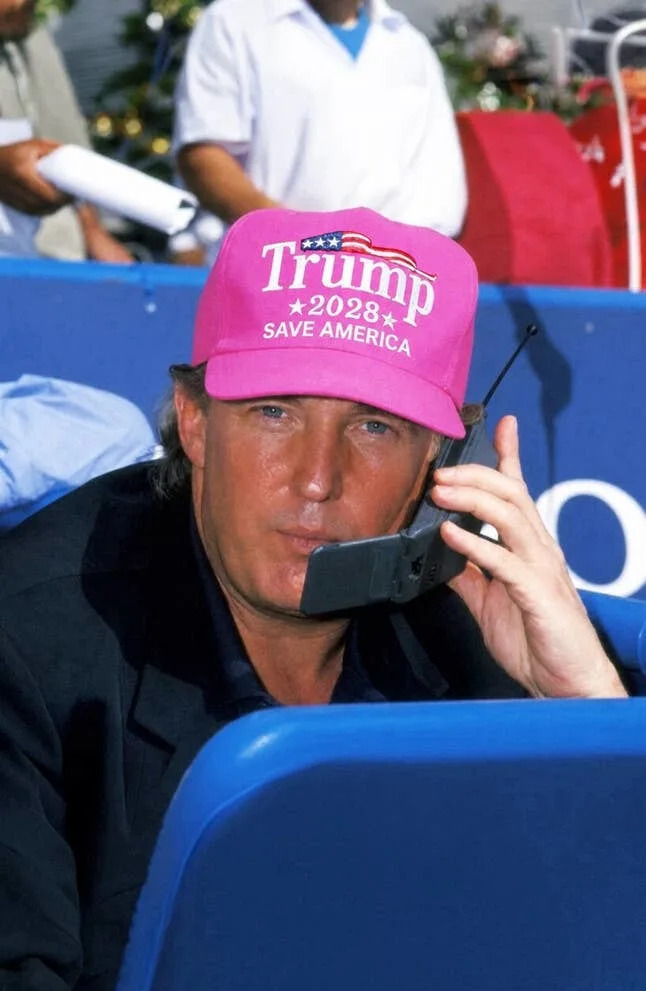
Getty Images
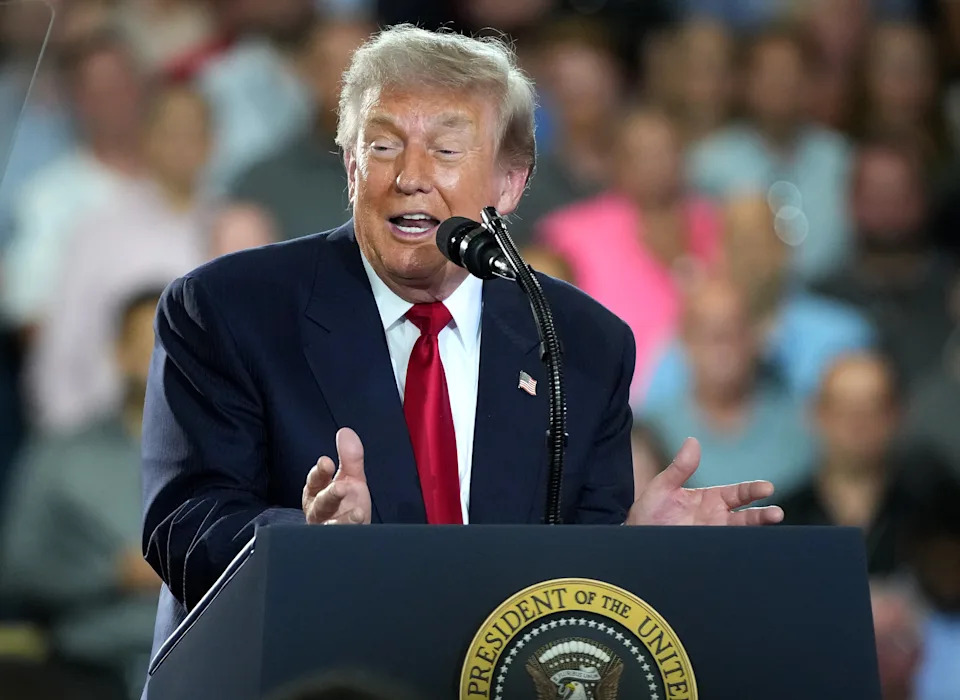
Andrew Harnik / Getty Images
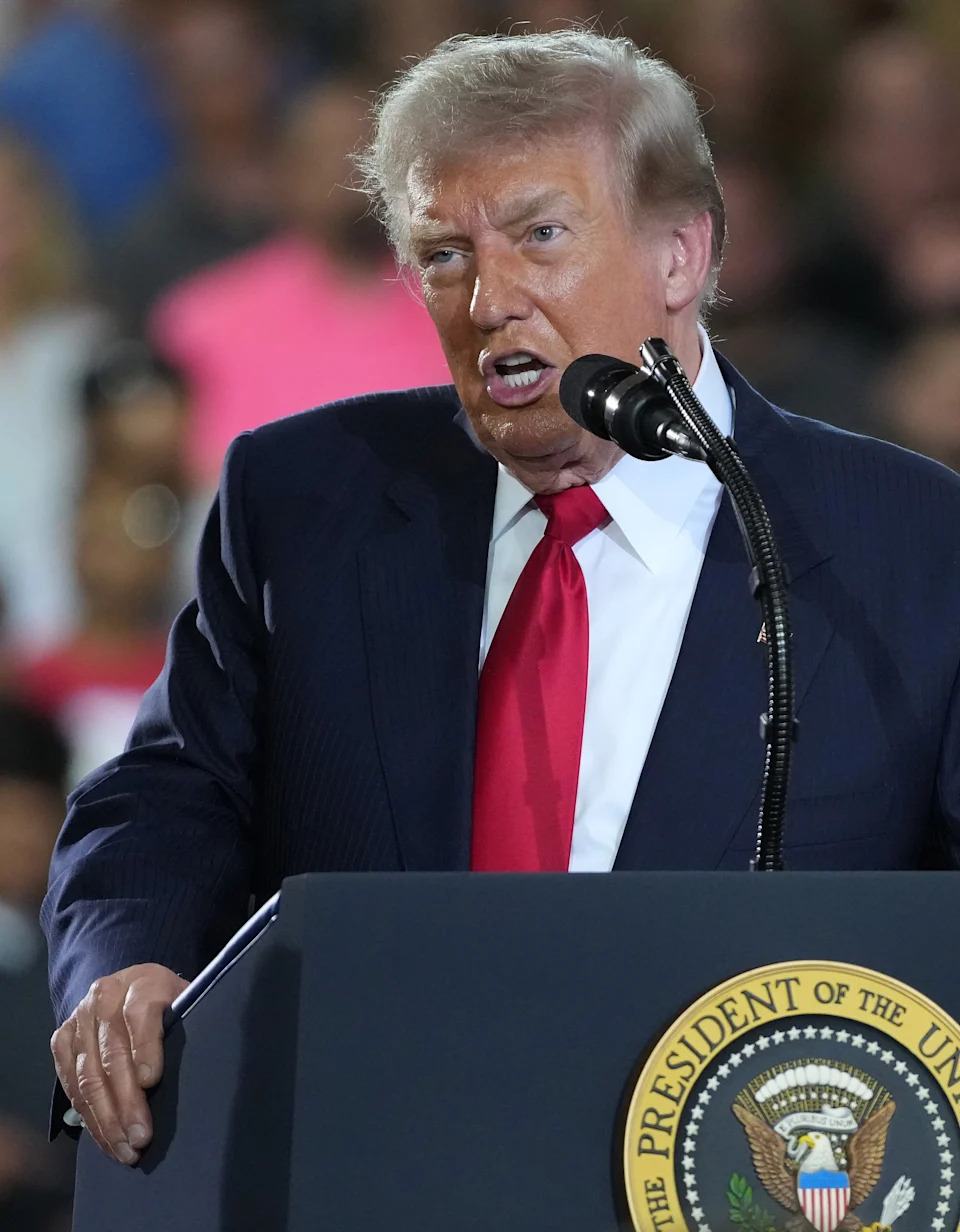
Andrew Harnik / Getty Images
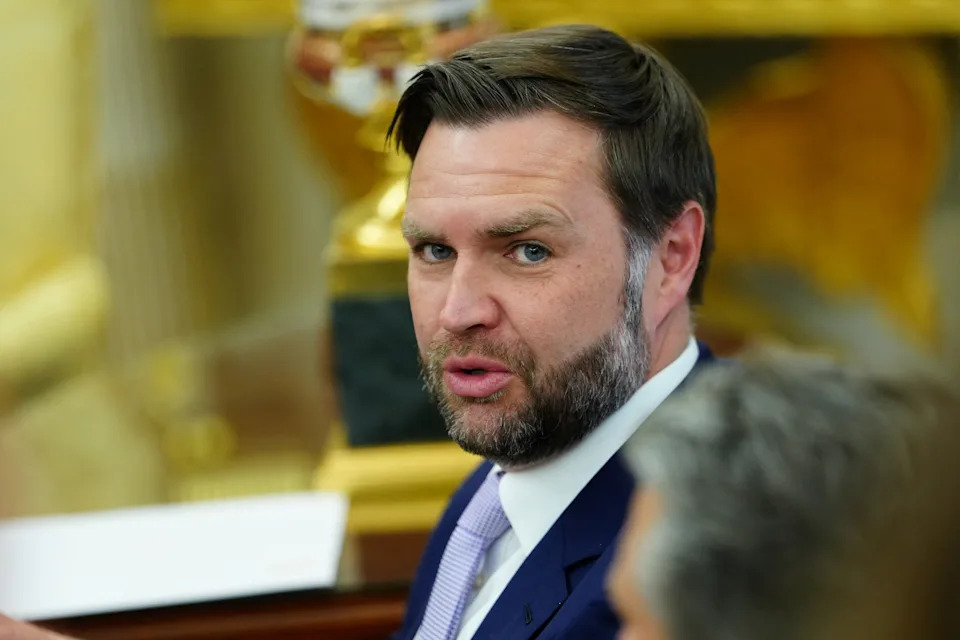
AARON SCHWARTZ / Getty Images
Andrew Harnik / Getty Images
Anna Barclay / Getty Images
Win McNamee / Getty Images
Win McNamee / Getty Images
Andrew Harnik / Getty Images
MANDEL NGAN / Getty Images
MANDEL NGAN / Getty Images
ALEX WROBLEWSKI / Getty Images
Pool / Getty Images
MANDEL NGAN / Getty Images
Eric Lee / Getty Images
Samuel Corum / Getty Images
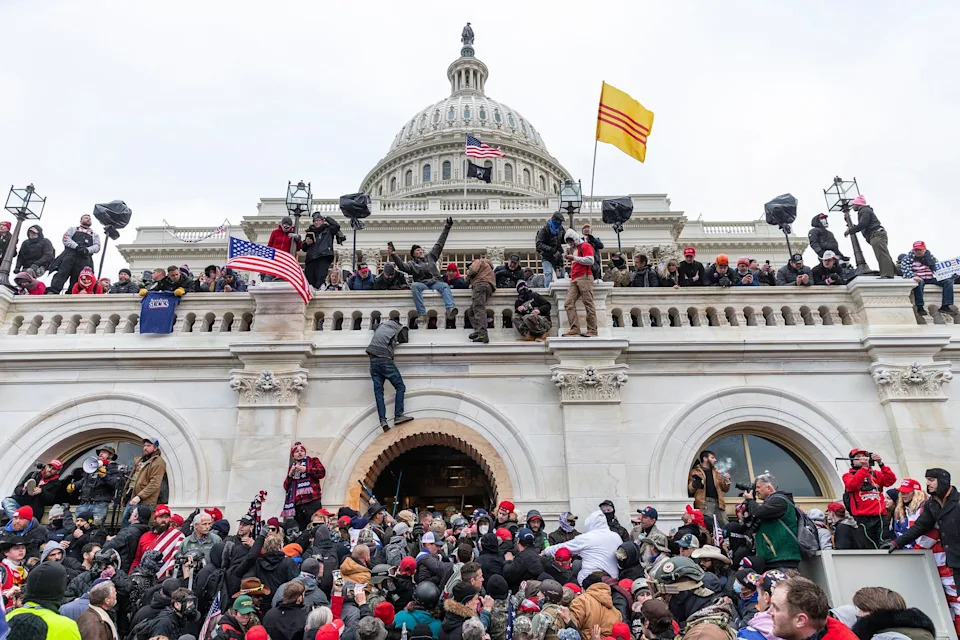
Pacific Press / Getty Images
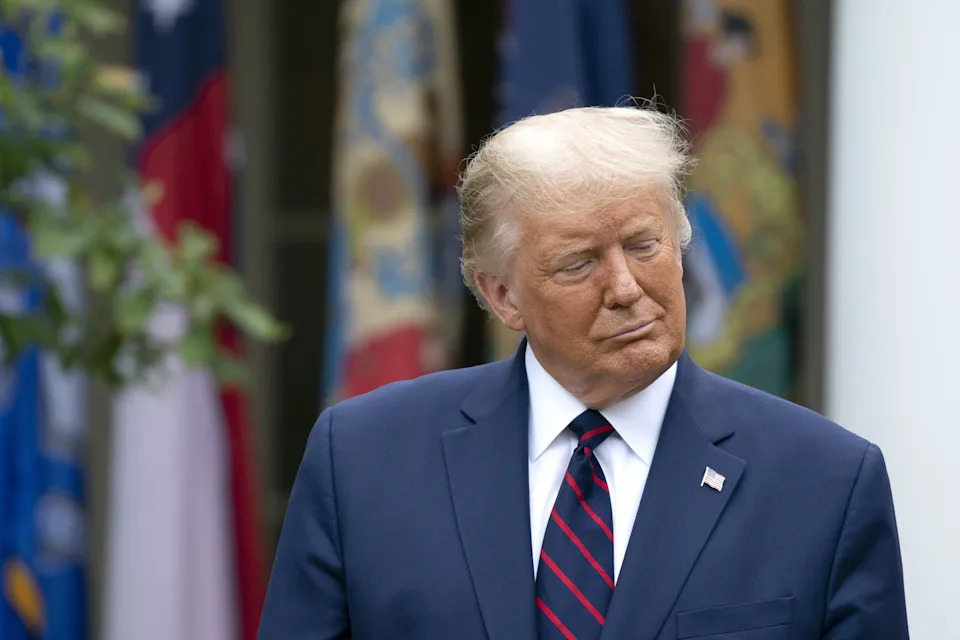
Bloomberg / Getty Images
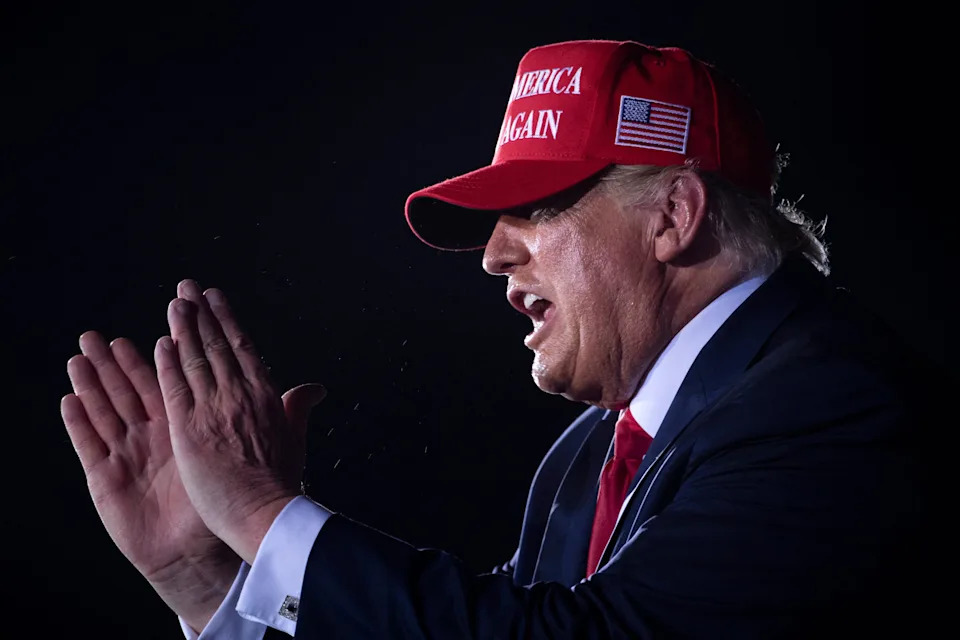
BRENDAN SMIALOWSKI / Getty Images
Help us improve.