Andy Burnham's VAT cut on household electricity from 5% to 0% will save the average household about £45 a year but risks widening a "driveway divide" between EV owners who can charge at home and those reliant on public chargers. Experts estimate public-charging users still pay around £216 a year in VAT because public charging remains taxed at 20%. New AutoMotive urges equal VAT treatment, time-of-use public tariffs and easier installation of on-street charging. The issue coincides with Labour's proposed pay-per-mile charge and a government review of charging costs.
‘Driveway Divide’: Burnham’s VAT Cut Could Leave Some EV Drivers £200 Worse Off
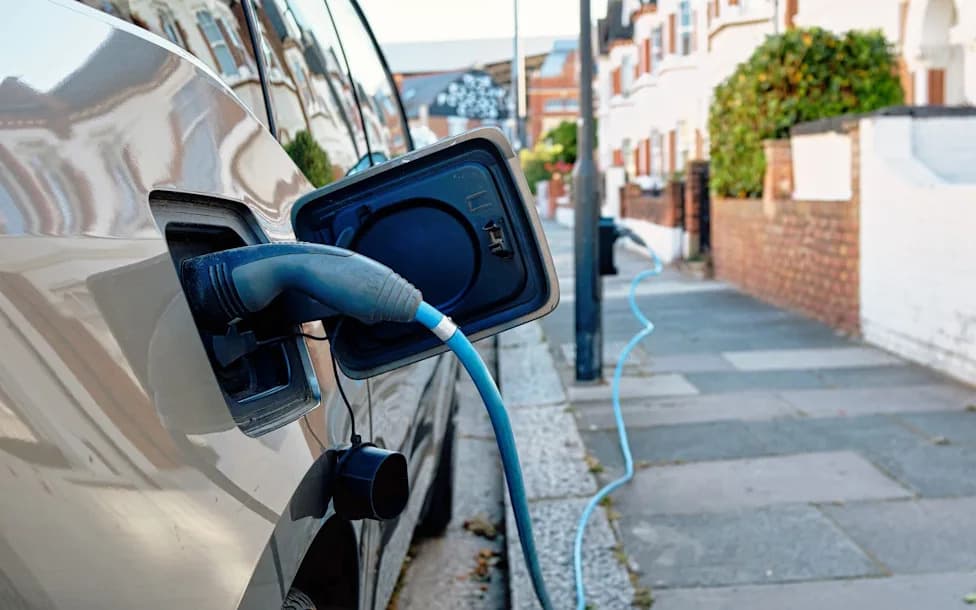
The average off-peak home-charging rate is about 9p per kilowatt hour, compared to 54p per kilowatt hour at the cheapest public chargers - Angel Santana Garcia/iStockphoto
Andy Burnham's decision to cut VAT on household electricity from 5% to 0% — the new Prime Minister's first major policy move — will save the typical household roughly £45 a year. But industry experts warn the measure could widen a growing "driveway divide": EV owners without access to home charging may miss out on as much as £200 in savings and continue to face much higher charging costs.
What Changed
The VAT reduction applies to domestic electricity bills, meaning electricity used to charge an EV at home will no longer carry the 5% charge it previously did. Public charging, however, remains subject to the standard 20% VAT rate.
Who Loses Out?
Drivers who rely on public chargers — many of whom are renters or residents with no driveway or private parking — still pay the full 20% VAT on public charging. Consultancy New AutoMotive calculates that this can amount to around £216 a year in VAT for a typical public-charging user, effectively leaving them about £200 worse off compared with drivers who charge only at home.
Price Differences
Data from ZapMap highlights the scale of the disparity: the average off-peak home rate is roughly 9p per kilowatt-hour (kWh), while the cheapest public chargers show rates around 54p/kWh. Even if public operators do not charge the exact same markups, the VAT difference exacerbates the cost gap.
Ben Nelmes, of New AutoMotive, said: “The Government has handed EV drivers with a driveway a tax cut on power they were already paying least for. Meanwhile, the driver charging on a public charger down the road, because they've got nowhere else to plug in, is still handing 20% to the taxman on every single mile. That's a design flaw, and it leaves us with a VAT system that asks most of those who can least afford to contribute.”
Recommendations From Industry
New AutoMotive's new report calls on the Government to:
- Equalise VAT treatment between home and public charging so users face the same tax rate;
- Introduce time-of-use tariffs for public chargers so drivers can access cheaper overnight rates where possible;
- Make grid connections and pavement charging solutions (for on-street parking) more affordable and easier to install, for example through streamlined permitting and reduced connection costs.
John Lewis, chief executive of charging provider Char.gy, added: “Public charging isn't a lifestyle choice for millions of drivers, it's the only option they've got. Taxing that at four times the rate of home charging punishes exactly the people the switch to electric is supposed to work for.”
Wider Context
The VAT debate comes as Labour advances plans for a controversial pay-per-mile charge on EVs, a proposal projected to cost the average driver about £240 a year. Meanwhile, the Treasury and the Department for Transport are reviewing public charging costs after providers warned of rising network expenses that could push prices even higher. The Government notes the ongoing review and existing EV purchase grants of up to £3,750 as measures supporting the transition to electric transport.
Bottom line: The VAT change reduces household electricity bills overall, but without parallel measures for public charging it risks increasing inequality among EV owners — particularly penalising those who cannot charge at home.
Help us improve.