Plymouth Township has issued a nine-page framework with 43 conditions that developer Brian O'Neill must accept before a proposed AI-linked data center can move forward. The conditions cover noise, emissions, water and power use, taxes, land use, and decommissioning, and reflect the township's effort to protect residents within state law limits. O'Neill has filed a challenge to some zoning provisions, and the application now awaits the Zoning Hearing Board.
Plymouth Township Imposes 43 Conditions on Proposed AI Data Center, Calls Developer's Challenge a 'Tantrum'

Photo Credit: iStock
Plymouth Township, about 13 miles north of Philadelphia, has published a nine-page framework listing 43 conditions that must be met before a proposed AI-linked hyperscale data center can proceed. The developer named in the filings, Brian O'Neill, has pushed back by filing a second application that challenges the township's zoning provisions.
What the Township Wants
The township says the project may advance only if it complies with a broad set of standards covering lighting and noise controls, air emissions, water and electricity consumption, tax obligations, land-use restrictions, and an approved plan for eventual decommissioning of the site. Officials framed the approach as a way to protect residents while staying within limits imposed by state law.
Legal and Procedural Context
Pennsylvania generally bars municipalities from outright prohibiting lawful uses of private property, though townships retain authority over zoning and health-and-safety rules, as reported by Ars Technica. Rather than issuing a flat denial, Plymouth Township spelled out the terms it considers necessary to approve the development.
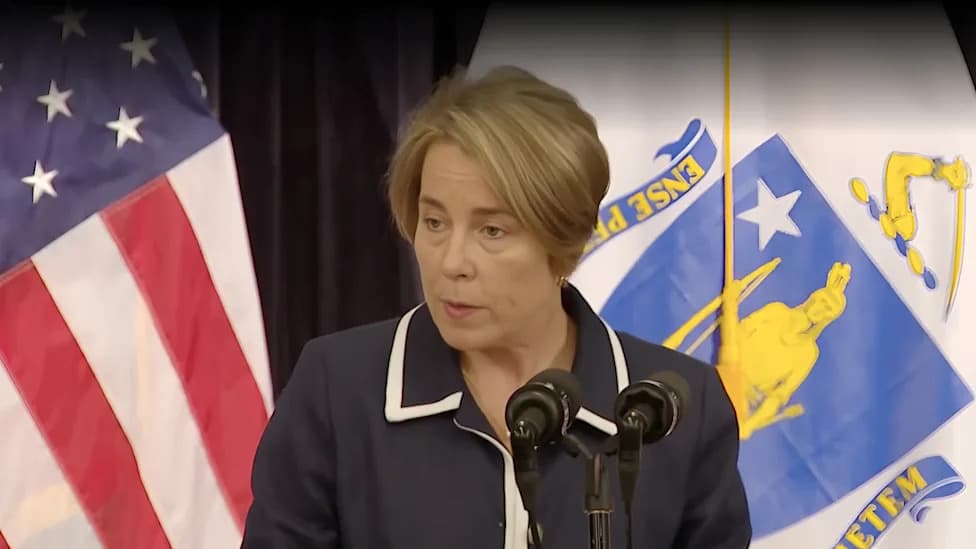
“We understand that a hyperscale data center raises numerous significant concerns, issues, and questions,” said Council President Lynne Viscio. “Accordingly, we spent considerable time researching and developing a comprehensive set of requirements to address the concerns raised by residents, our own concerns, and the issues raised by other subject matter experts.”
Tensions With the Developer
Tom's Hardware reported that O'Neill filed a second application arguing the township's conditions make the project too difficult to approve. The township responded sharply, accusing the applicant of attempting ‘to demand approval by tantrum’ and insisting it will not back down from measures intended to protect public health and local infrastructure.
Why Data Centers Spark Local Concern
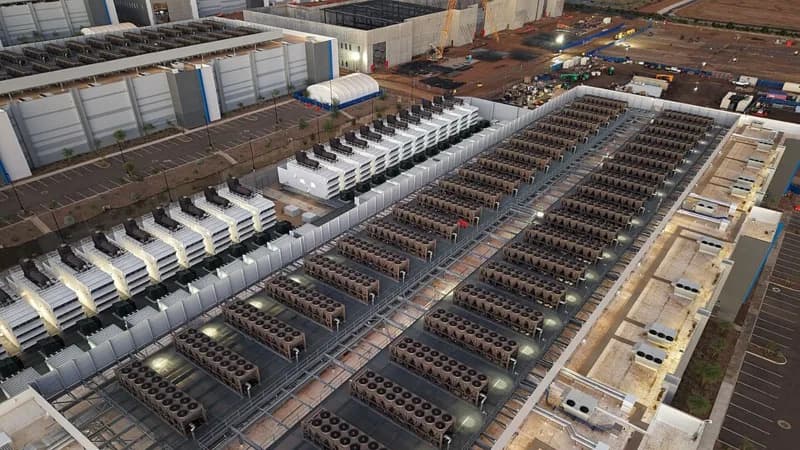
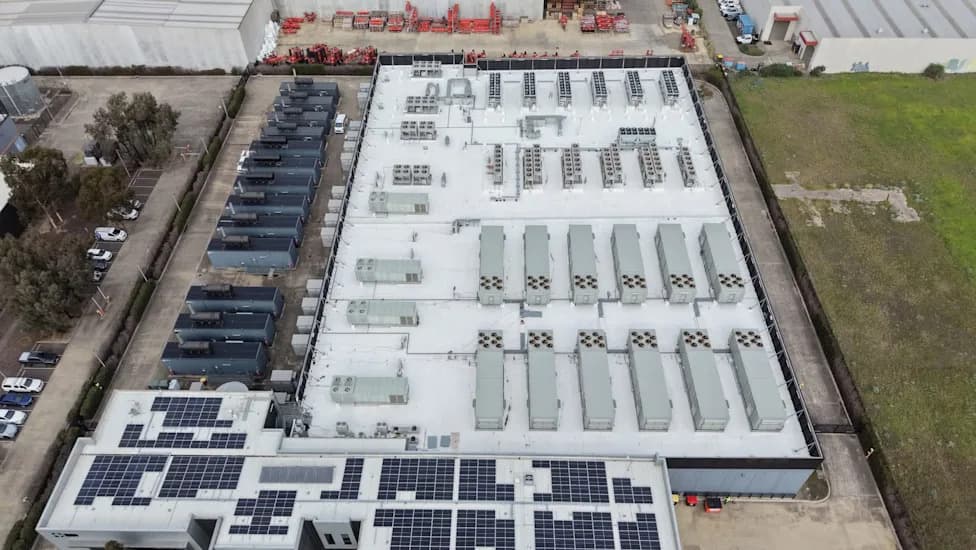
Data centers powering artificial intelligence require large amounts of electricity and, in some cases, water for cooling. That can stress local grids, push up utility costs, generate noise, and create pollution or contamination risks if systems fail or are improperly managed. Tom's Hardware cited several illustrative incidents, including persistent noise complaints at a Michigan site, reported electricity-price impacts in the PJM Interconnection region, a Meta facility tied to water-reclamation concerns, and litigation over emissions at a large turbine-powered site.
Next Steps
The township says its provisions were shaped by resident input and outside experts, and that the applicant initially indicated a willingness to comply. The application is now pending before the Zoning Hearing Board. Council President Viscio emphasized the township's priorities: protecting the health, safety, and welfare of residents and the environment.
O'Neill told the Philadelphia Inquirer he has been negotiating in good faith. The Zoning Hearing Board will determine whether the project may proceed under the township's conditions or whether further legal and procedural steps are required.
Help us improve.