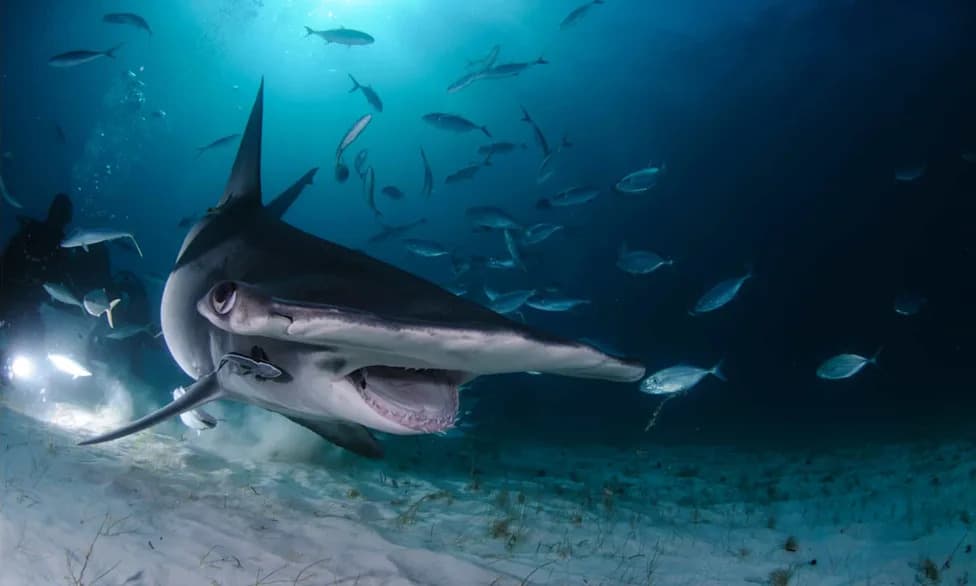
ASI researchers aiming to tag sandbar sharks off Rhode Island unexpectedly encountered two hammerheads: a scalloped hammerhead captured on drone footage (tag attempt failed) and a 6-foot female smooth hammerhead that received a long-term satellite tag. This is the first hammerhead ASI has tagged in Rhode Island. Rising ocean temperatures are shifting migration ranges northward, and the new tag will help scientists track coastal routes, seasonal movements, and breeding habitat changes.
Planned Sandbar Shark Tagging Off Rhode Island Turns Up Rare Hammerheads — ASI Tags First Hammerhead

Hammerhead Shark Selfie© iStock.com/abadonian
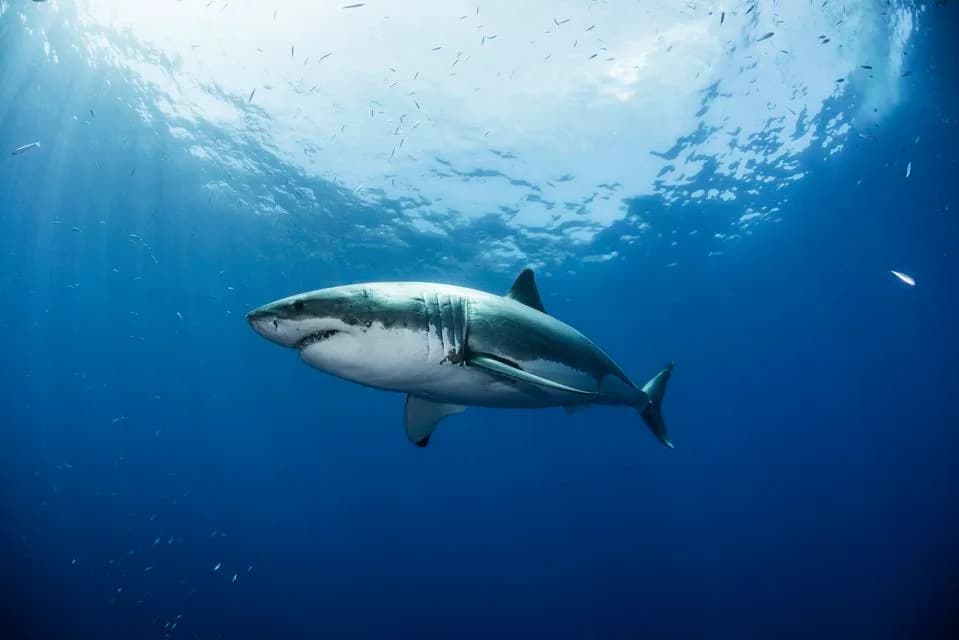
Atlantic Shark Institute (ASI) researchers set out to tag sandbar sharks off the coast of Rhode Island but encountered an unexpected and historic pair of hammerheads during a recent field excursion. Since monitoring began, ASI teams have individually identified more than 50 sharks in the region; this season's encounters also included an 8-foot juvenile great white and an estimated 15-foot shark near Block Island that investigators say was attracted by a whale carcass.

Sandbar sharks travel north during the summer and are often found in New England's shallow bays and harbors.©Vladimir Wrangel/Shutterstock.com
Drone Footage Reveals Scalloped Hammerhead
While surveying the water column with a drone, researchers captured clear footage of a scalloped hammerhead cruising just below the surface. Although ASI could not provide a precise measurement, observers described the animal as very large. The team attempted to attach a tag, but the device did not take on that individual.
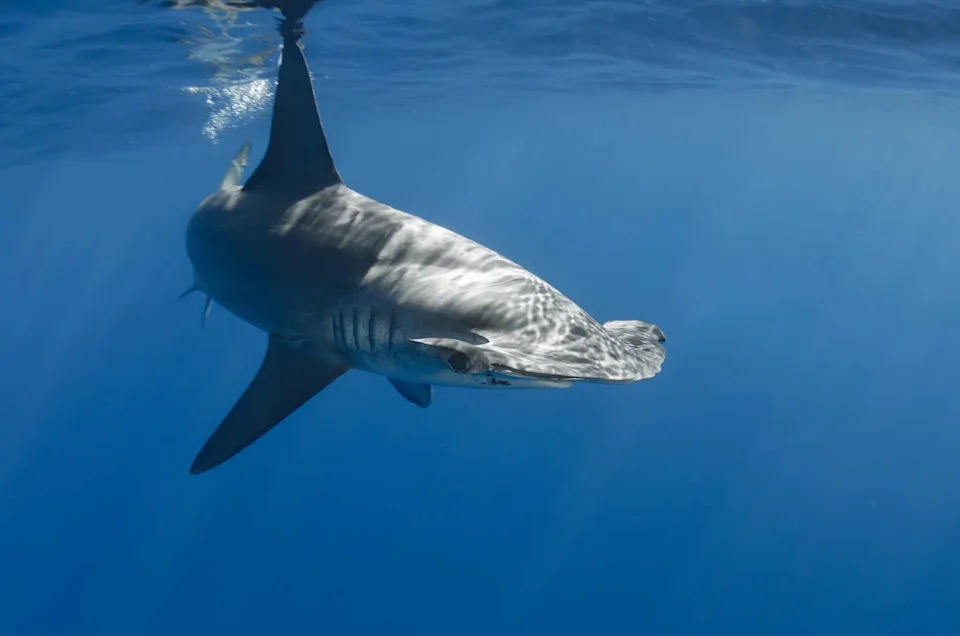
Atlantic Shark Institute researchers placed a long-term satellite tag on a smooth hammerhead, which can track its movements for a decade or longer.©iStock.com/Michael Zeigler
"Hammerhead sharks are among the ocean's most iconic predators, and documenting this first-ever tagging event by the ASI is an exciting opportunity to showcase the groundbreaking research taking place right here in Rhode Island," said Tomas Koeck of Silent Flight Studios.
Successful Tagging of a Smooth Hammerhead
Shortly after the unsuccessful attempt, a second hammerhead appeared: a 6-foot female smooth hammerhead. Researchers successfully fitted this shark with a long-term satellite tag capable of tracking its movements for a decade or more. This represents the first hammerhead satellite tag deployed by ASI off Rhode Island and will enable scientists to monitor seasonal coastal migrations and habitat use along the Atlantic seaboard.

Only two types of hammerheads have been found in New England's waters: smooth and scalloped.©bcampbell65/Shutterstock.com
Shifting Ranges and Conservation Implications
Rising ocean temperatures and variable weather patterns are shifting migration routes for many marine species. Hammerheads—historically associated with warmer waters near Florida, the Bahamas, and tropical zones such as areas off Costa Rica and the Galápagos—are now appearing more frequently in New England. Most regional hammerhead sightings cluster near Block Island and Newport, and smooth hammerheads have been reported in parts of Massachusetts, including occasional observations around Buzzards Bay, Martha's Vineyard, and Nantucket during unusually warm summers.
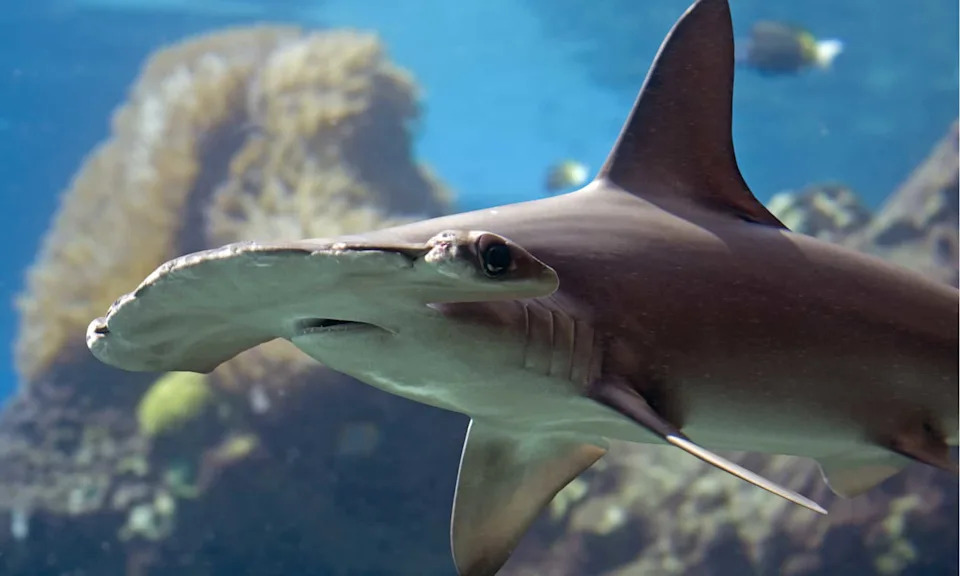
Scalloped hammerheads were once rare off the coast of New England, but warm water temperatures move their migrations further north.©Ian Scott/Shutterstock.com
Only two hammerhead species have been documented in New England waters: smooth and scalloped. Tagging data from ASI can help researchers map the sharks' exact coastal corridors, detect changes in migration timing and routes, and improve understanding of breeding and nursery habitats. For example, scalloped hammerheads are known to migrate north from tropical Central American waters to lay eggs in temperate zones—movements influenced by lunar cycles and tides—which may shift as ocean conditions change.
Part of the migration corridor has been designated an "Ecologically and Biologically Significant Area," affording protections intended to reduce human threats to vulnerable sharks and their offspring. As waters warm, scientists are watching to see whether scalloped hammerheads will continue using current nursery areas or move farther north. Continued satellite tracking and monitoring by organizations like ASI will be essential to detect subtle route shifts and to inform conservation responses.
ASI's newly tagged smooth hammerhead is expected to yield valuable long-term data on seasonal movements, habitat preferences, and potential breeding behavior as climate-driven changes reshape marine ecosystems along the U.S. Northeast coast.
Help us improve.