Archaeologists restoring Brighton's Royal Albion Hotel have revealed a surviving wall and fireplace from the suite where Oscar Wilde stayed in 1894 — a stay later cited in evidence during his trial. Dr Michael Shapland of UCL's Archaeology South-East identified the rooms using surviving fabric and a 1940s hotel plan. The discovery emerged amid repairs after a 2023 fire; the hotel was previously rebuilt after a 1998 blaze. Britannia Hotels is leading a redevelopment that includes demolition work and temporary traffic measures on Grand Junction Road.
Oscar Wilde Suite Rediscovered During Restoration Of Fire-Damaged Royal Albion Hotel
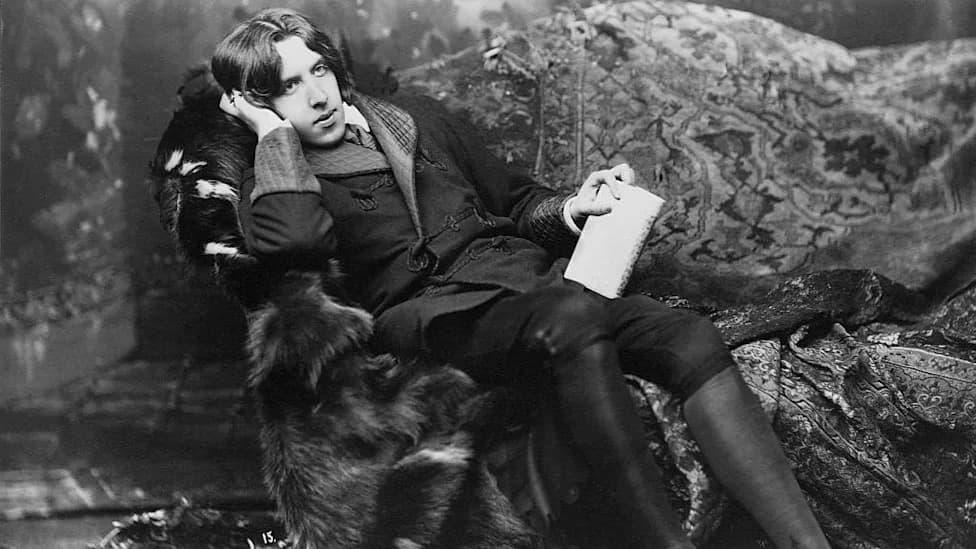
Oscar Wilde's stay at Royal Albion Hotel would play a role in the trial over his sexuality [Corbis via Getty Images]
Archaeologists restoring Brighton's Royal Albion Hotel have uncovered a surviving wall and fireplace from the suite where Oscar Wilde stayed in 1894 — a stay later cited in the evidence used during his trial.
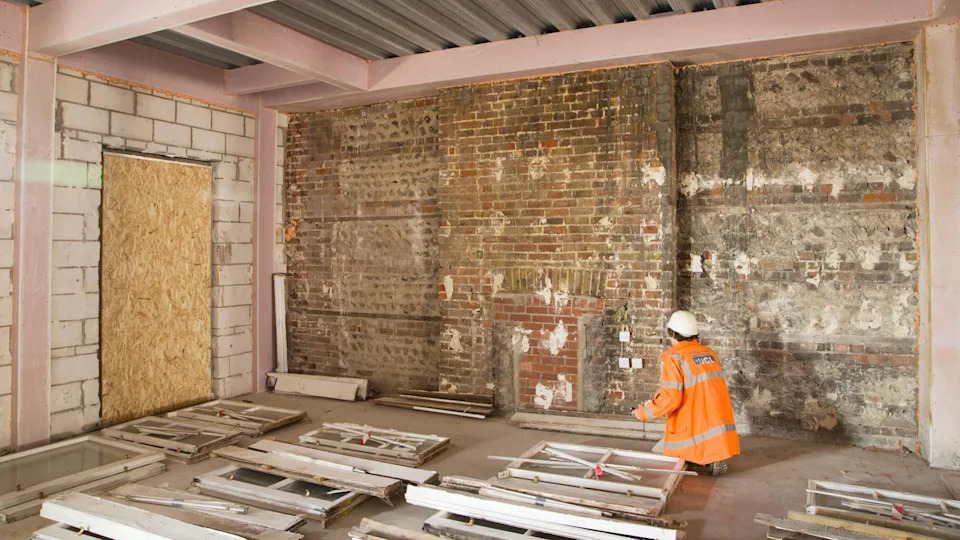
One wall and its fireplace survive from the suite at the time Oscar Wilde stayed there [UCL Archaeology South-East]
What Was Found
Dr Michael Shapland of University College London's Archaeology South-East identified the rooms by matching surviving building fabric with descriptions from Wilde's trial testimony and a 1940s plan of the hotel held at the East Sussex Record Office. As contractors work to repair damage caused by a 2023 fire, one original wall and its fireplace have been exposed, surviving from the building's 1826 fabric.
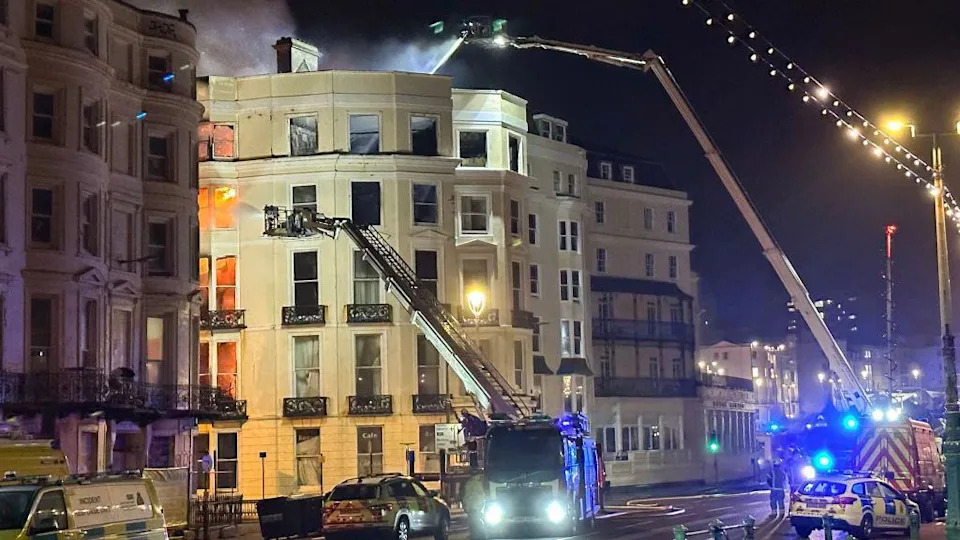
Part of the Royal Albion Hotel has been demolished since the 2023 fire [Getty Images]
Historical Significance
A written statement from newspaper seller Alphonse Conway about his time with Wilde at the Royal Albion was later used in court as evidence of Wilde's homosexuality — then illegal — during proceedings that led to the writer's conviction for "gross indecency." Wilde lost a libel case against Lord Queensberry and was sentenced to two years' imprisonment with hard labour in 1895. Dr Shapland noted the stay at the hotel and the interaction there played a key role in those events.
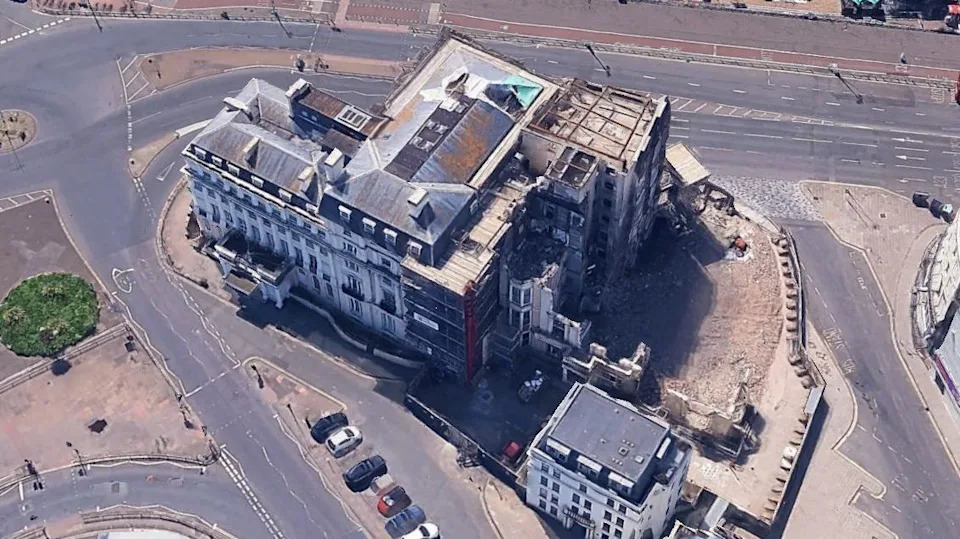
Plans for restoring the eastern part of the building have been submitted to the local authority [Britannia Hotels]
"One wall and one fireplace survive from that time from when Wilde and Conway stayed there in that suite of rooms," Dr Shapland told the BBC. "It's that interaction, that stay, that led essentially to Oscar Wilde's downfall."
Building History And Restoration
The rooms in question had already been destroyed in a previous fire at the Grade II* listed Royal Albion in 1998; that section was rebuilt at the time. Current restoration work after the 2023 blaze has revealed which parts of the original 1826 structure remain and which doorways and features were inserted during 20th-century repairs.
Restoration and archaeological investigation form part of a larger rebuilding programme led by building owner Britannia Hotels. The company submitted a planning application in June for redevelopment of the hotel's eastern wing and said design work was continuing to replace the demolished western section. In July, Britannia confirmed contractors will introduce temporary traffic-management measures on Grand Junction Road to enable demolition work, including the removal of Clive House — a former set of residences that became a hotel extension.
Why It Matters
Dr Shapland described the excavation as a "once-in-a-hundred-year opportunity" to study the hotel's fabric and let the building "tell the story of what happened within its walls." While the discovery does not change the historical facts about Wilde himself, it enriches public appreciation of the Royal Albion's long and sometimes turbulent history on Brighton's seafront.
Further reading and local contacts: Archaeology South-East; East Sussex Record Office; Britannia Hotels planning documents and local authority submissions.
Help us improve.