Study Finds: Flood-damaged homes can trigger respiratory problems months after hurricanes. Researchers sampled mold and surveyed residents 5–7 months after Hurricanes Ida (2021) and Ian (2022), finding mold spore counts, older roofs and flood depth most strongly linked to new coughing and wheezing. Thorough drying, checking for hidden dampness, improving ventilation and seeking medical advice for symptoms are recommended.
Hurricane Flooding's Hidden Threat: Flooded Homes Can Cause Respiratory Problems Months Later
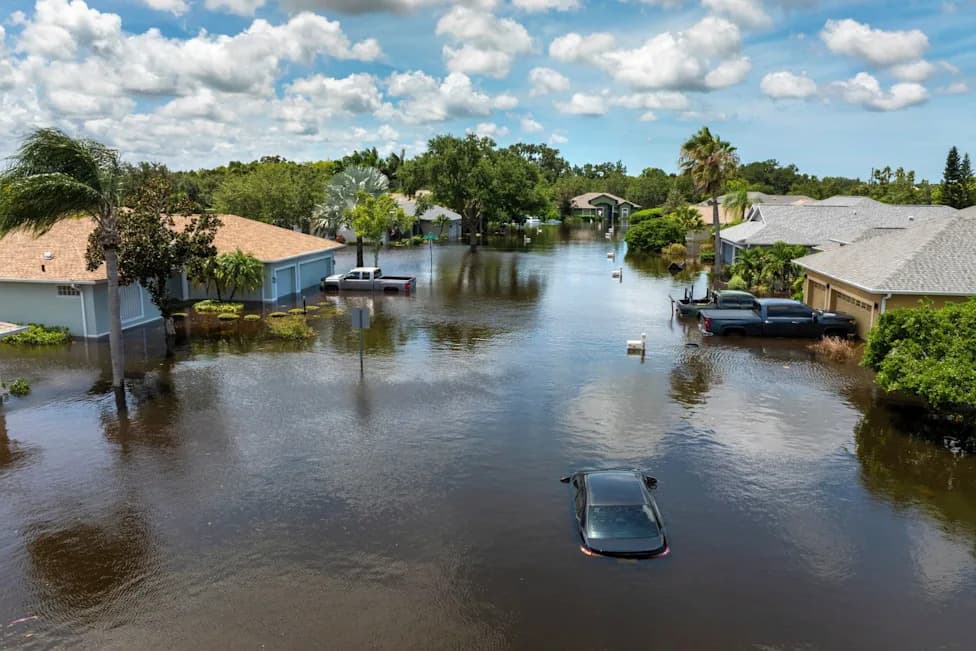
Photo Credit: iStock
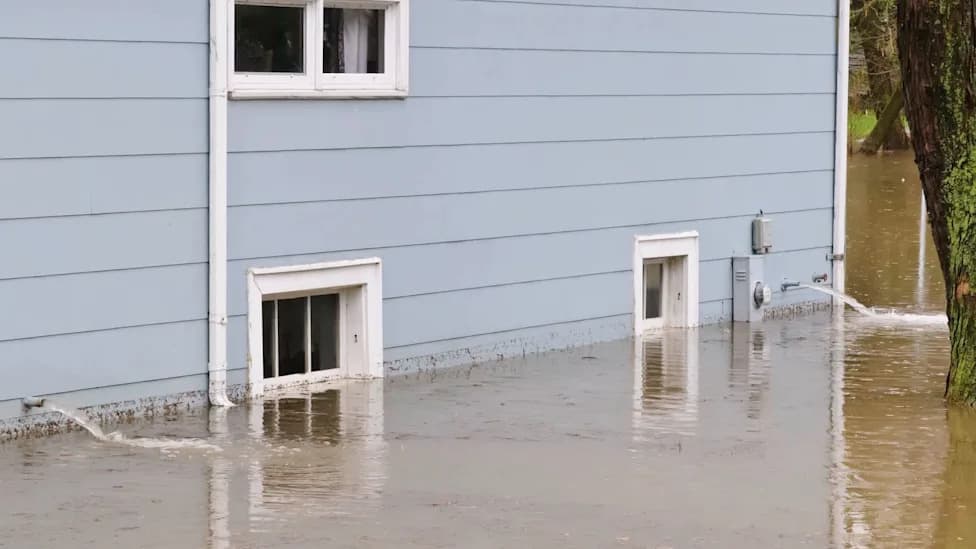
New research from Florida engineers shows that the health impacts of hurricane flooding can persist long after visible water has receded. The study links the emergence of coughing, wheezing and other respiratory symptoms months after storms to persistent indoor conditions in flood-damaged homes — especially elevated indoor mold spore counts, older roof systems that allow ongoing water intrusion, and deeper initial flood depths.
Study Details
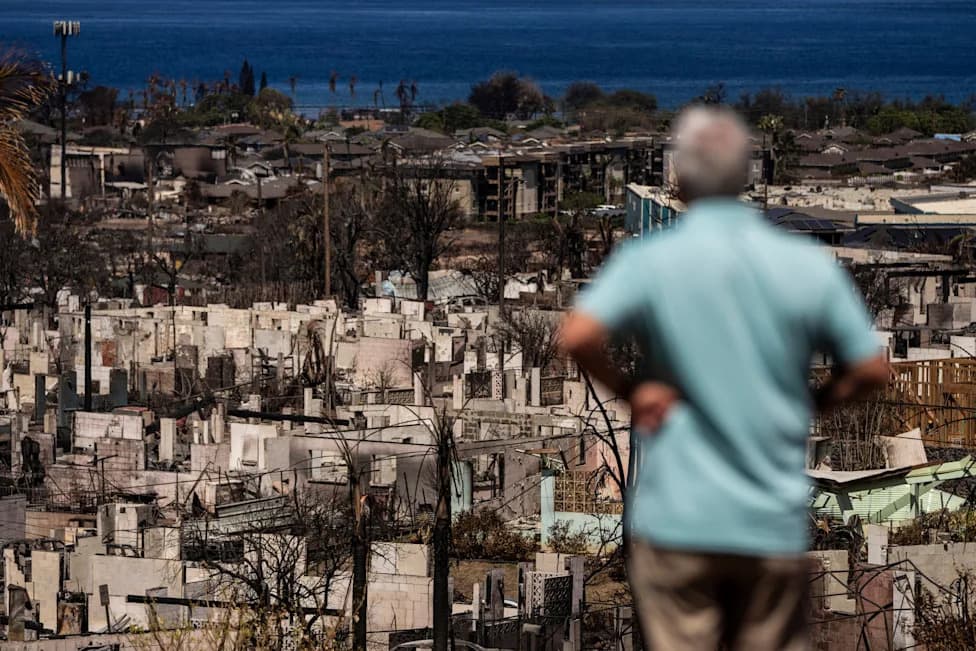
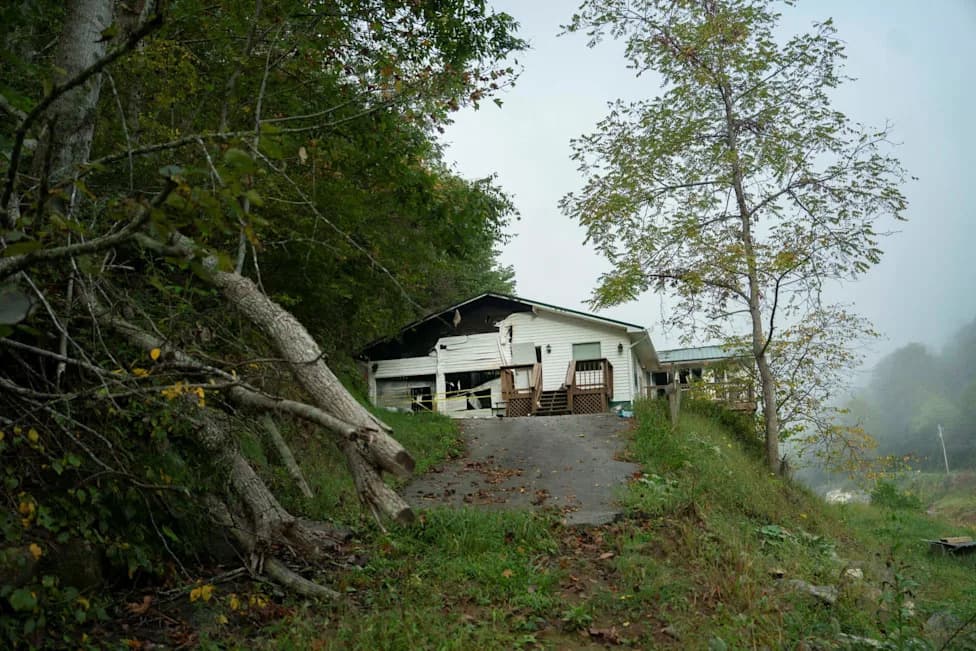
The paper, published in the Journal of Cleaner Production, was conducted by researchers at the FAMU–FSU College of Engineering and Florida State University's Resilient Infrastructure and Disaster Response Center. The team examined residences affected by Hurricane Ida (2021) and Hurricane Ian (2022) in Louisiana, parts of the Northeastern United States, and central and southern Florida. Investigators surveyed occupants and collected indoor mold samples five to seven months after the storms to capture health effects that can appear after immediate damage is cleaned up.
Key Findings
- Flood depth, age of roofing systems, and indoor mold spore counts were most strongly associated with new respiratory symptoms.
- Building and household characteristics — including bathroom fan airflow, how often occupants opened window blinds, and the overall airtightness of the building envelope — also influenced respiratory risk.
- Hidden moisture behind walls, beneath flooring, and in bathrooms can sustain mold growth long after visible drying appears complete.
"We pay a lot of attention to direct impacts immediately after storms, but hazardous conditions can linger after floodwaters recede," said Ebrahim Ahmadisharaf, an assistant professor and co-author.
Practical Recommendations
The researchers recommend prompt and thorough drying of flooded homes, targeted inspections for remaining dampness behind walls and under floors, and quick remediation when mold is found. Improving ventilation where feasible and ensuring roofing systems are repaired or replaced to prevent continued intrusion can reduce longer-term respiratory risk. If symptoms such as coughing, congestion, wheezing or shortness of breath develop after flooding, residents should consult a medical professional and document indoor conditions to support remediation and any medical evaluation.
"Knowing the factors that are most likely to affect health gives us a guide for how to intervene before health problems begin," said study co-author Yassir AbdelRazig.
Implications
The findings can help public health officials, insurers and emergency managers prioritize limited recovery resources to homes at greatest health risk. The study underscores the role of engineering and building management in protecting human health by addressing lingering moisture, mold growth and ventilation after flooding.
Help us improve.