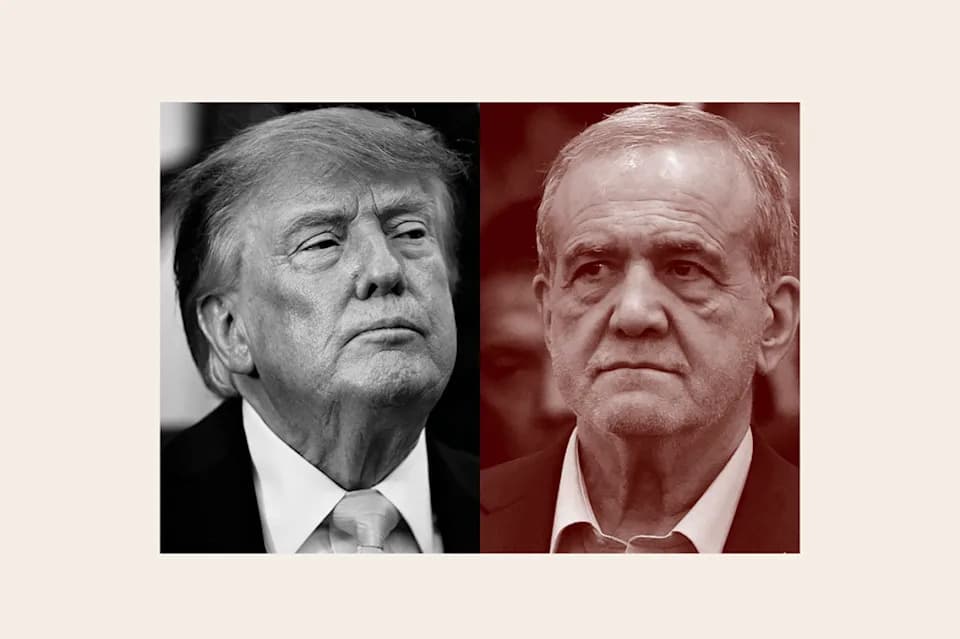
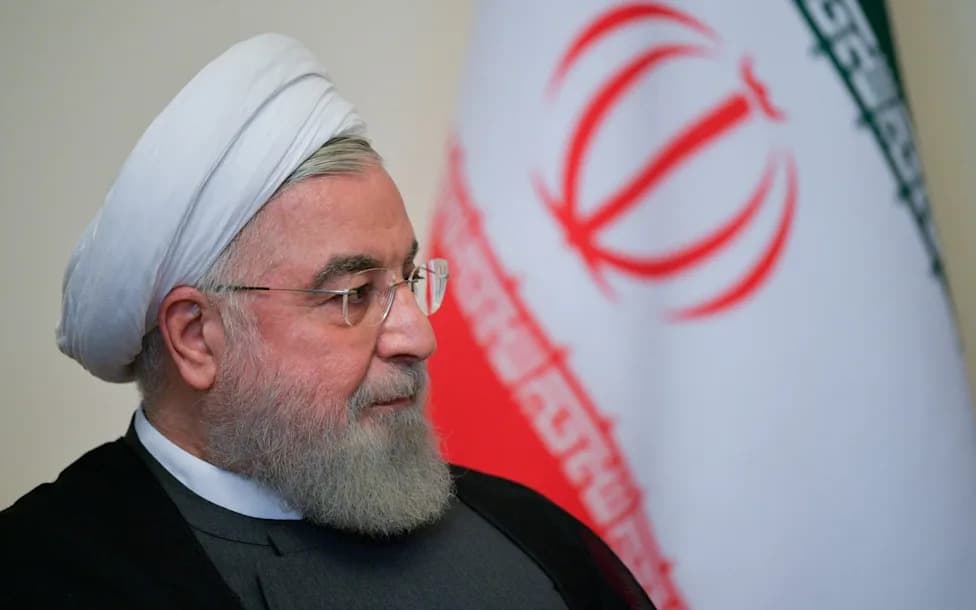
Iran’s leadership presents a united front in resisting U.S. pressure, but deep divisions persist over the war’s objectives. Ultra-hardline Paydari forces push for total victory and reject talks, while pragmatists around President Masoud Pezeshkian and Speaker Mohammad Bagher Qalibaf favor using military leverage to win a negotiated settlement. Economic strain, public unrest and uncertainty about the new supreme leader, Ayatollah Mojtaba Khamenei, intensify the struggle for influence in Iran’s postwar future.
Iran's Leadership: United in War, Divided Over the Endgame
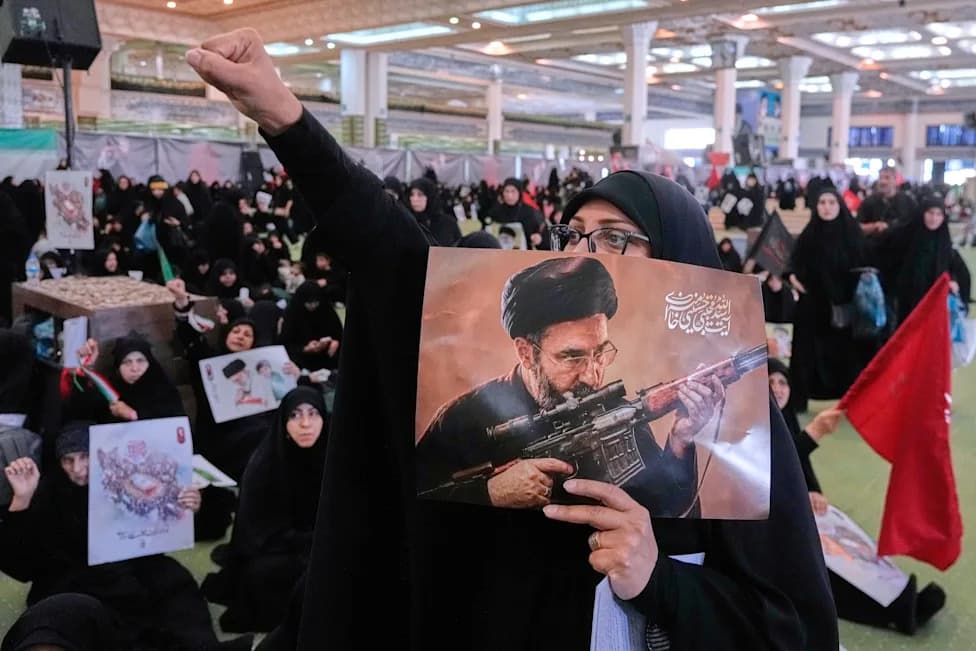
A mourner chants slogan as she holds a poster with graphic depicting Iran's Supreme Leader Ayatollah Mojtaba Khamenei in a ceremony commemorating the late Supreme Leader Ayatollah Ali Khamenei at the Imam Khomeini Mosalla Grand Mosque in Tehran, Tuesday, July 14, 2026. (AP Photo/Vahid Salemi)(AP Photo/Vahid Salemi)
Iran's top officials project a broad unity in prosecuting the war, insisting Tehran can withstand greater pressure than the United States and its partners. Yet beneath that public cohesion, senior figures are sharply split over what the conflict should ultimately achieve.
Two Competing Visions
One camp—ultra-hardline elements associated with the Paydari movement (Persian for “stability”)—rejects negotiations with Washington and presses for an uncompromising military victory to cement the Islamic Republic’s control over society. Saeed Jalili is widely seen as the Paydari movement’s most prominent figure.
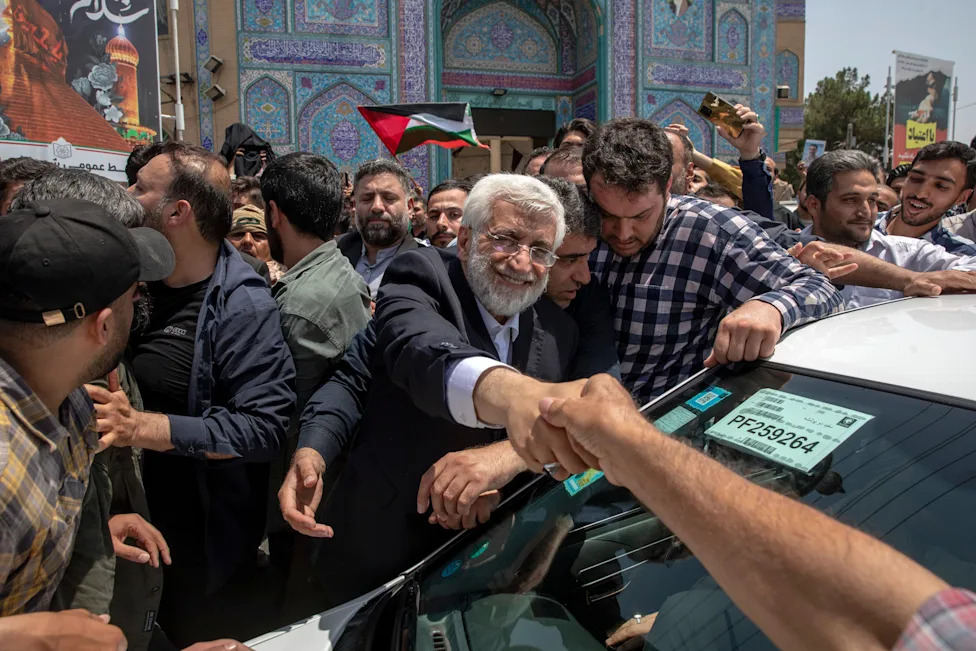
FILE - Candidate for Iran's presidential election Saeed Jalili, a hard-line former nuclear negotiator, shakes hands with a supporter after casting his vote for the presidential runoff election in Qarchak, near Tehran, Iran, July 5, 2024. (AP Photo, File)(AP Photo/undefined)
The other camp, aligned with President Masoud Pezeshkian and Parliament Speaker Mohammad Bagher Qalibaf (who also serves as a chief negotiator), views military pressure as a tool to win a negotiated settlement. This pragmatic bloc is increasingly alarmed by the war’s toll on the economy and by widening social discontent.
"Negotiation is a political tool and a complement to military action to force the enemy to a point of compulsion and extract real concessions," wrote Mahdi Mohammadi, an adviser to Qalibaf.
Ceasefire, Collapse and the Strait of Hormuz
The April ceasefire with the U.S. won near-unanimous approval in Iran’s Supreme National Security Council—12 of 13 members backed the deal, with the lone dissent reportedly from a Paydari-aligned official. But the truce quickly unraveled as reciprocal strikes resumed and Tehran sought tighter control over shipping through the Strait of Hormuz, a waterway that previously handled roughly a fifth of global traded oil and gas. Promised financial relief—most notably the release of frozen assets—also failed to materialize, and American maritime and financial pressure returned.
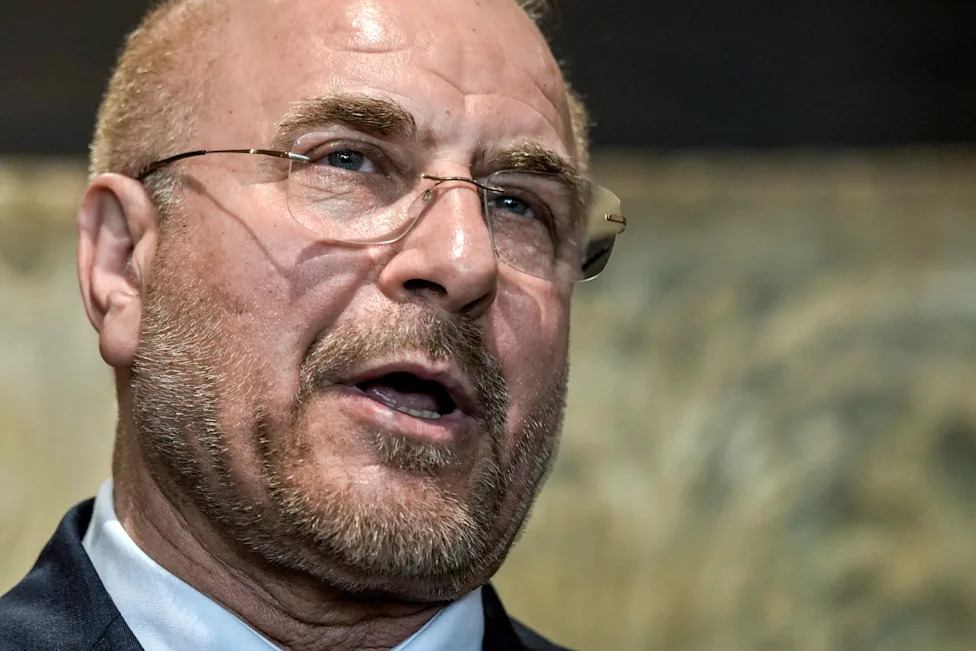
FILE - Iran's parliamentary speaker Mohammad Bagher Qalibaf speaks during a news conference in Beirut on Oct. 12, 2024. (AP Photo/Bilal Hussein, File)(AP Photo/Bilal Hussein)
Domestic Pressures and Media Battles
Hard-liners have used nightly rallies and state media (IRIB) to build opposition to talks with Washington, portraying compromise as betrayal and trumpeting the possibility of total victory. State television has at times cut live broadcasts of senior officials discussing negotiations, escalating the public rift between the armed forces’ supporters and the government.
Pragmatists counter that preserving unity requires easing economic pain and addressing social grievances as inflation, a falling currency and rising unemployment erode public patience. Small but growing signs of discontent have emerged: more than 250 former lawmakers, clerics and public figures signed an anti-war petition in July calling for peace and criticizing the human cost of the conflict.
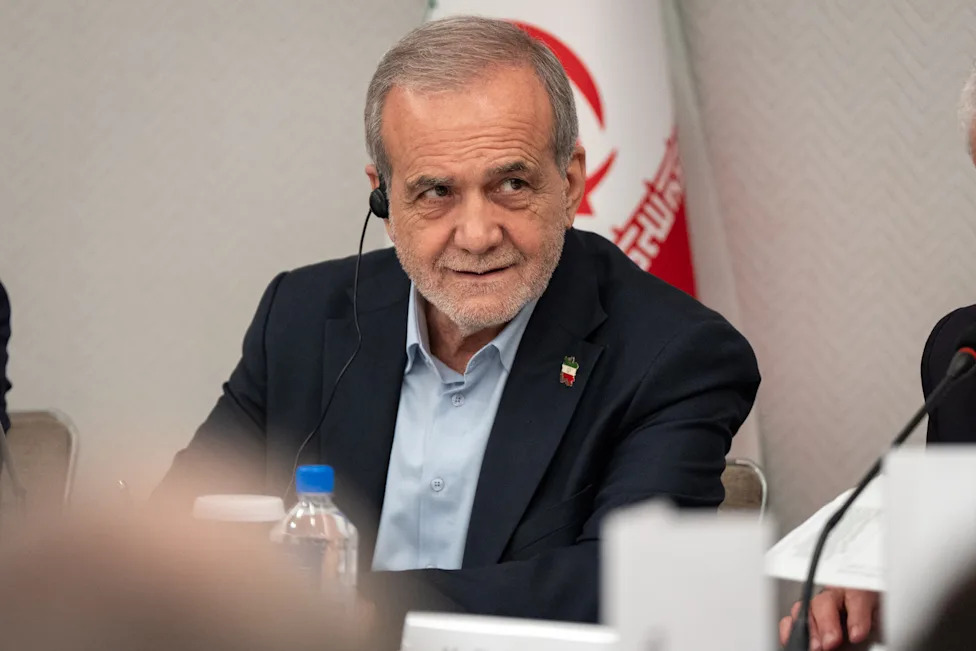
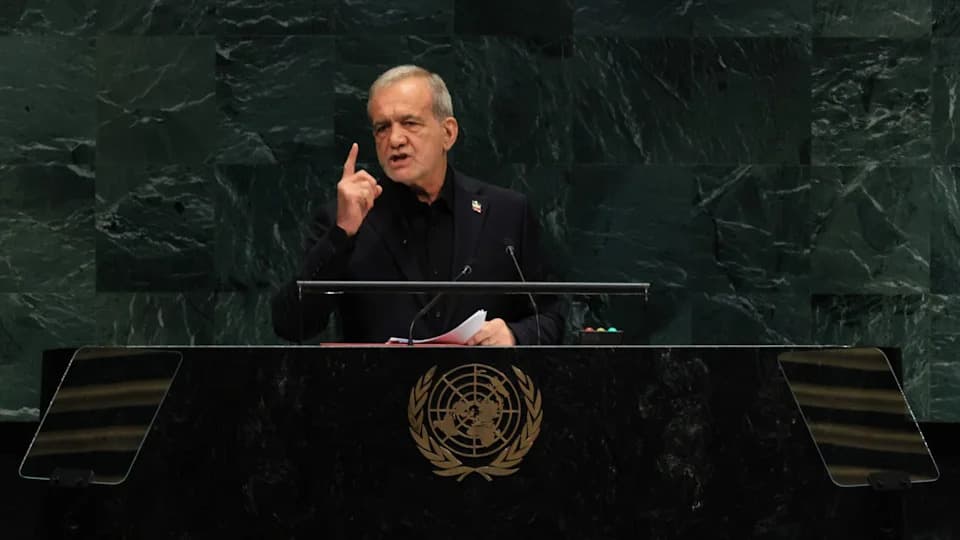
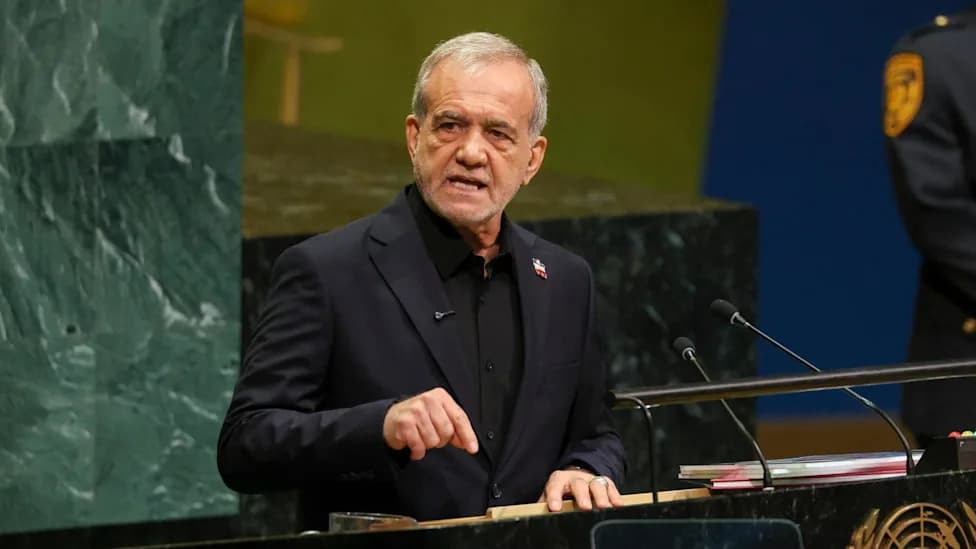
FILE - President of Iran Masoud Pezeshkian takes questions from the media during a news conference in New York on Sept. 26, 2025. (AP Photo/Angelina Katsanis, File)(AP Photo/Angelina Katsanis)
Uncertainty Over Succession and the Postwar Power Struggle
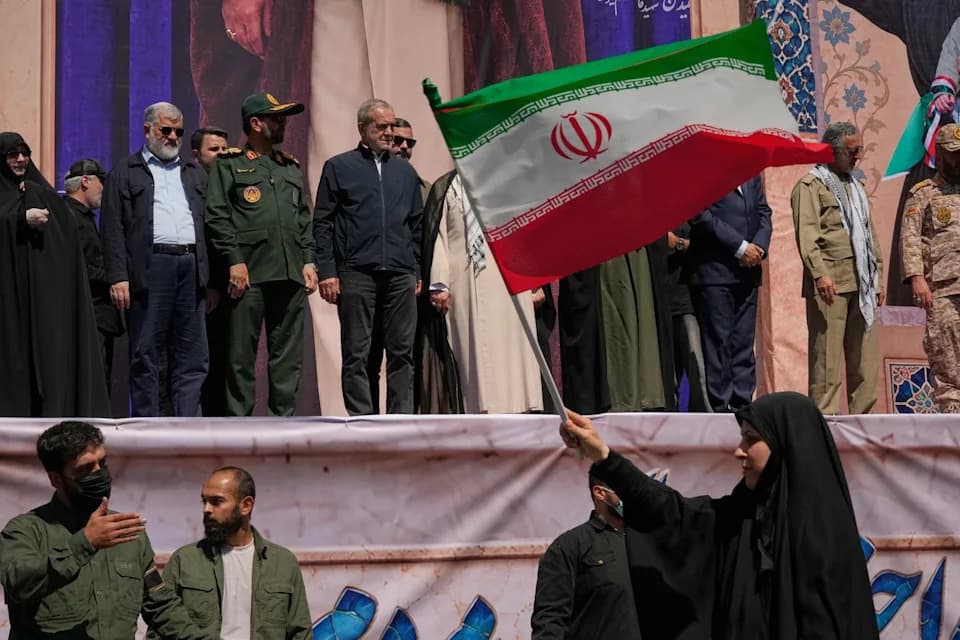
The leadership split is intensified by uncertainty about the new supreme leader, Ayatollah Mojtaba Khamenei. Reports say he was injured in the strike that killed his father, and both camps claim his backing. Demonstrations at the funeral for the slain supreme leader, Ali Khamenei, underscored the Paydari movement’s influence and the depth of hostility toward perceived compromisers.
Analysts warn that the rivalry is as much about the postwar order as about the fighting itself: ultra-hardliners have financial resources, institutional footholds and ties within the Revolutionary Guard, while pragmatists stress the need to stabilize the economy and avoid further domestic fragmentation.
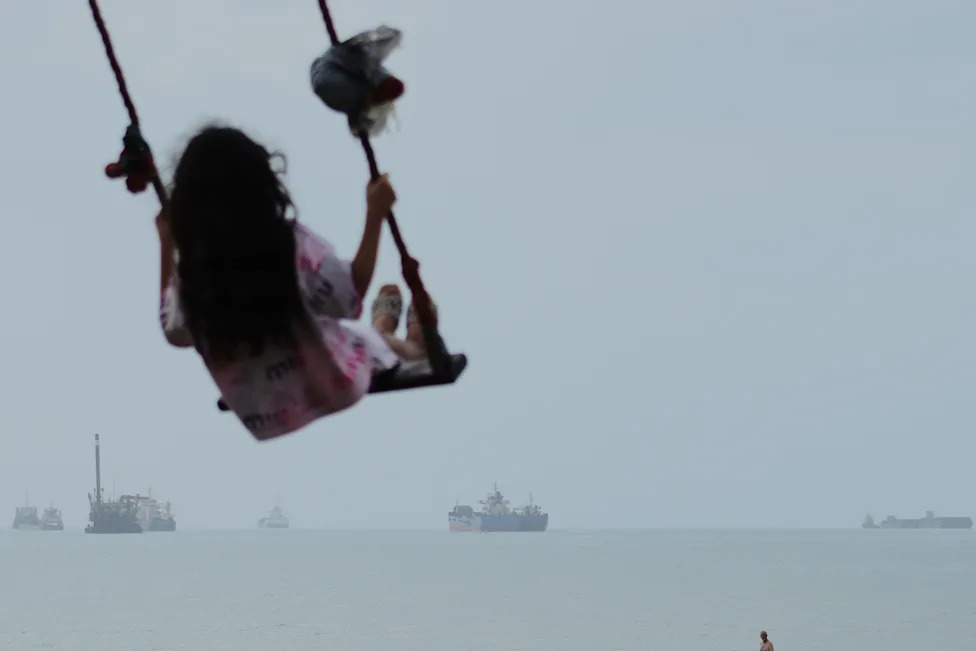
A girl swings along the shore as cargo ships and other commercial vessels appear anchored in the Strait of Hormuz off Bandar Abbas, Iran, Monday, July 27, 2026. (Razieh Poudat/ISNA via AP)(AP Photo/Razieh Poudat)
What’s At Stake
If negotiations resume and result in sanctions relief, Tehran could receive substantial financial relief and the lifting of constraints that have stunted growth for decades. If the hard-liners prevail, however, the state may double down on ideological control even as economic and social pressures mount.
AP correspondents Nasser Karimi in Tehran and Sarah El Deeb in Beirut contributed to this report.
Help us improve.