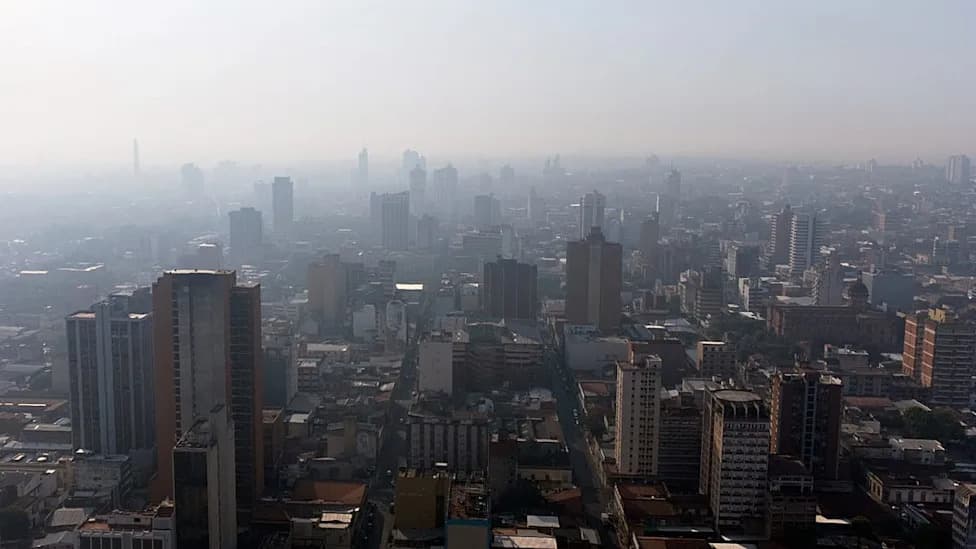
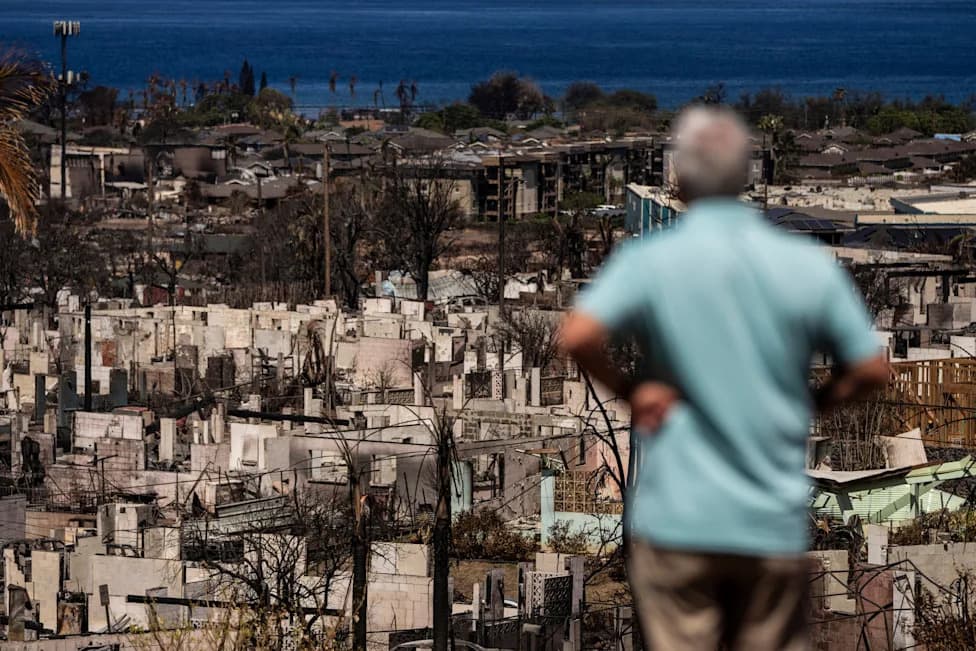
Many people report a smoky "taste" during heavy haze from wildfires, but scientists say that sensation is primarily driven by smell and by particles that irritate the mouth and throat. Experts such as Derek Daniels and Kathryn Medler note that "flavor" combines taste and smell, and that "supertasters" with more taste buds may notice smoke more. Regardless of how it’s perceived, inhaling wildfire smoke is harmful; reduce exposure and wear proper particulate masks when needed.
Can You Really Taste Wildfire Smoke? Scientists Explain Why It Feels That Way
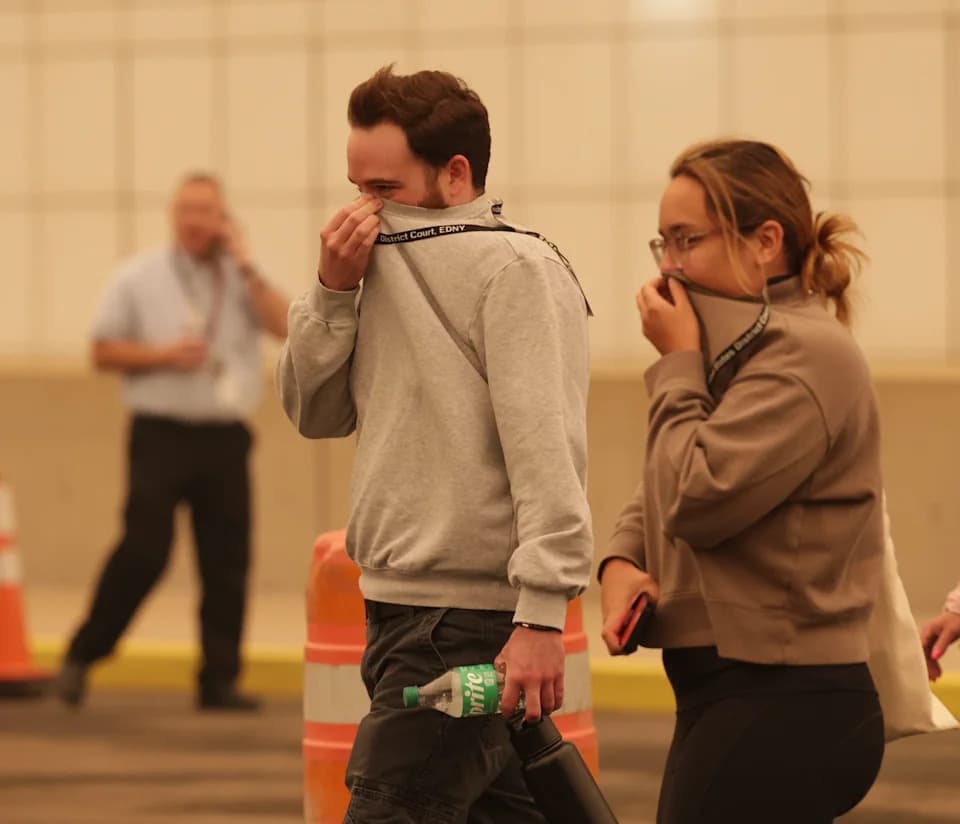
Central Islip, N.Y.: People cover their nose as they walk in Central Islip, New York on June. 7, 2023, due to smoky conditions caused by wildfires in Canada.
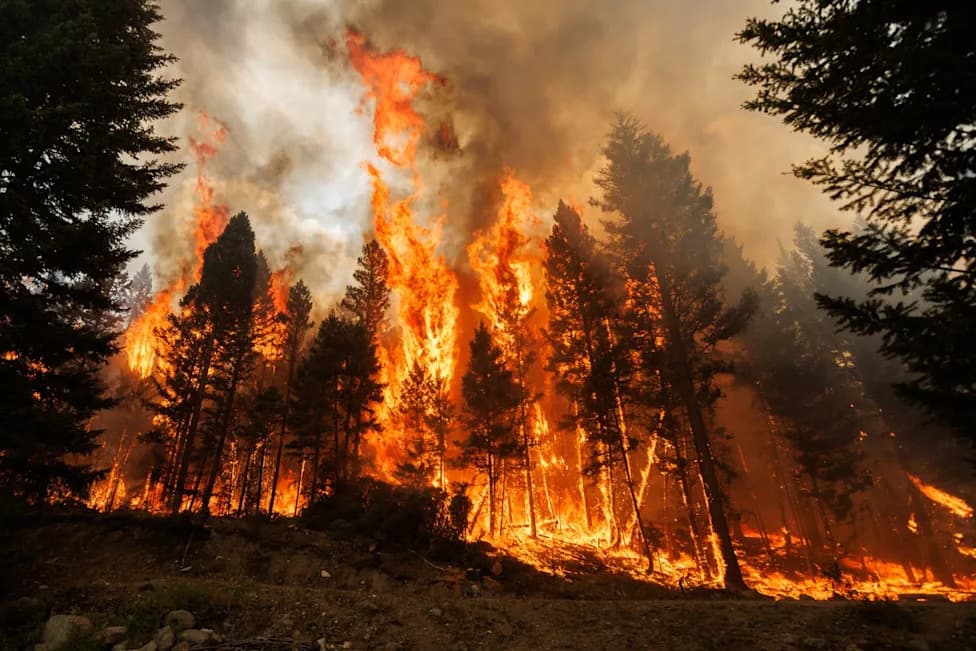
As wildfires send smoke into cities across the United States and Canada, many people report a distinct smoky "taste" in their mouths. Scientists say that sensation is more complicated than it sounds — it’s largely driven by smell and by the way airborne particles interact with taste receptors.
Smell vs. Taste: What’s the Difference?
Derek Daniels, a professor of biological sciences at the University at Buffalo, explains that much of what we call "taste" is actually flavor — a combined experience of basic tastes (sweet, salty, bitter, sour, umami) and smell (olfaction). "From a scientist’s hat, it's not really taste, even though we talk about it like taste — it's really smell," Daniels said.
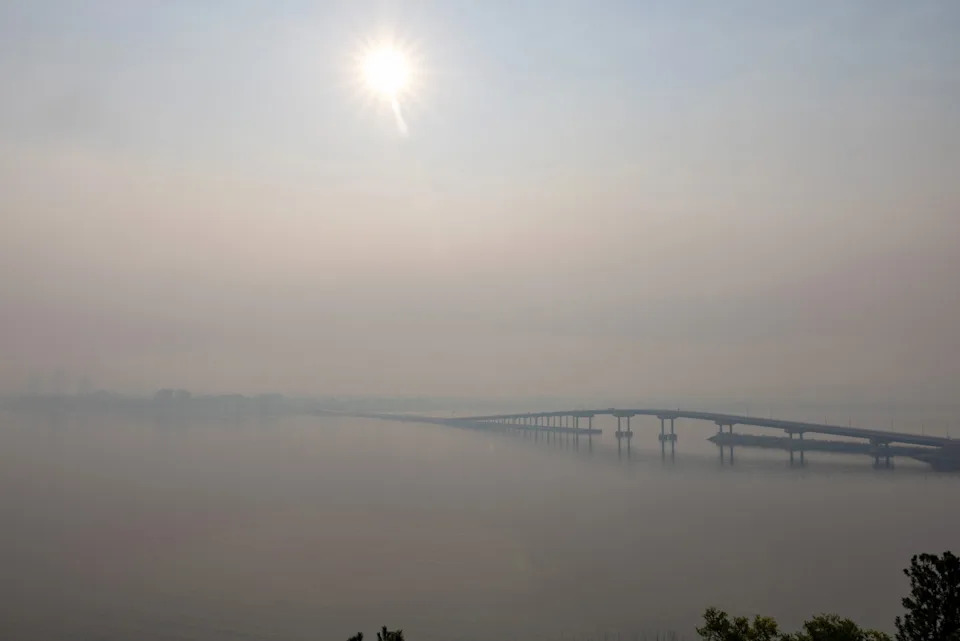
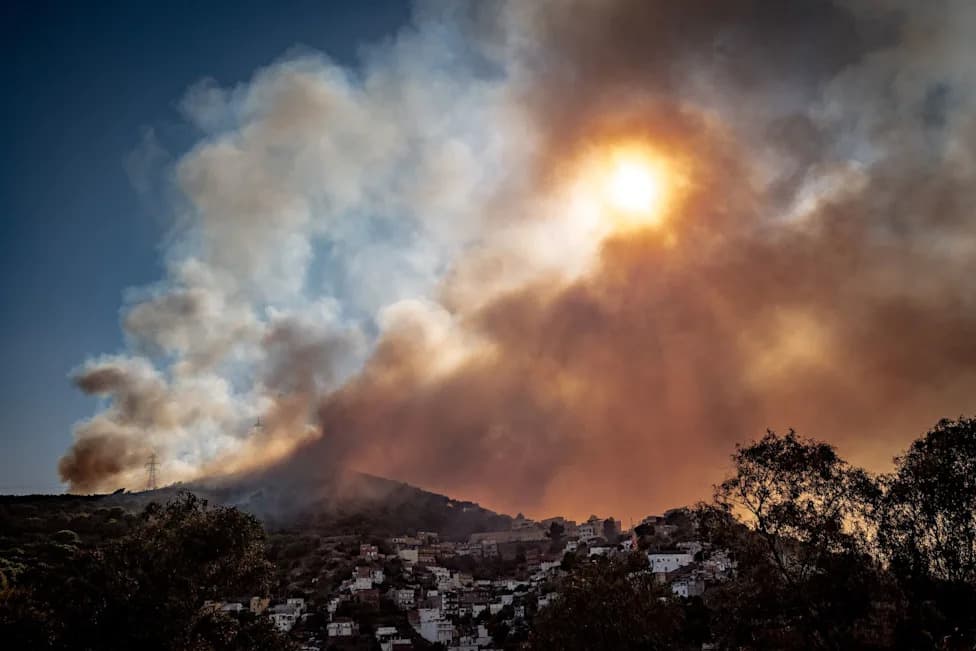
TOPSHOT - Smoke hangs around the William R. Bennett Bridge as the nearby McDougall Creek fire continues to burn in West Kelowna, British Columbia, on August 19, 2023.
When you eat something like dark chocolate, your tongue detects basic tastes such as bitterness and sweetness, while aromas and subtle nuances come from the nose. The same principle applies when people say they "taste" wildfire smoke: volatile compounds and tiny particles reach the olfactory system and the mouth, producing a smoke-like flavor impression.
Why Some People Notice It More
Smoke contains a mix of chemical compounds and particulate matter (including fine particles often called PM2.5). Those particles can irritate the mouth and throat and may trigger a bitter or sour sensation. People with heightened taste sensitivity — often called supertasters — have more taste buds and can be particularly likely to perceive such sensations.
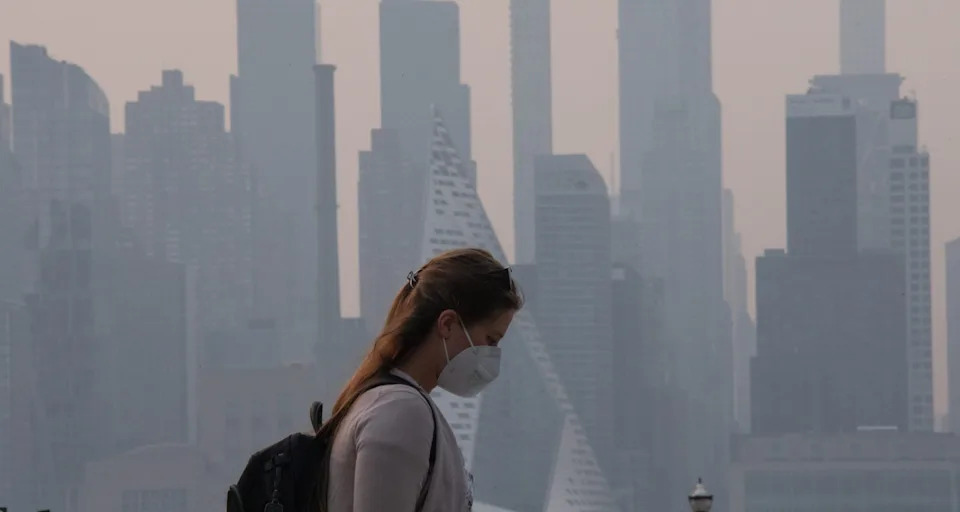
WEEHAWKEN, NJ - JUNE 7: A woman wears a face mask as smoke continues to shroud the sun as it rises behind the skyline of Manhattan in New York City on June 7, 2023, as seen from Weehawken, New Jersey.
"You can actually see when you look at the tongues of supertasters that there's a different pattern of the tastebuds," Daniels said.
Former University at Buffalo taste specialist Kathryn Medler has similarly noted that children and some adults have more taste buds and therefore a more sensitive palate, which can make smoke particles more noticeable and taste profile more bitter or sour.
Health Risks And Practical Advice
Whether you call it taste or smell, inhaling wildfire smoke is harmful. Smoke exposure can aggravate respiratory and cardiovascular conditions and cause irritation, coughing, and shortness of breath. Experts advise against intentionally inhaling smoke to "test" your sensitivity.
Practical tips:
- Limit time outdoors when air quality is poor and smoky.
- Use well-fitted particulate respirators (N95, KN95, or equivalent) for prolonged exposure to dense smoke.
- Keep windows and doors closed and run air purifiers with HEPA filters indoors when possible.
- If you experience severe coughing, difficulty breathing, chest pain, or prolonged irritation, seek medical care.
In short: the "taste" of wildfire smoke is usually a mix of smell and irritation from airborne particles. It can be more noticeable in certain people, but regardless of perception, minimizing exposure protects your health.
Help us improve.