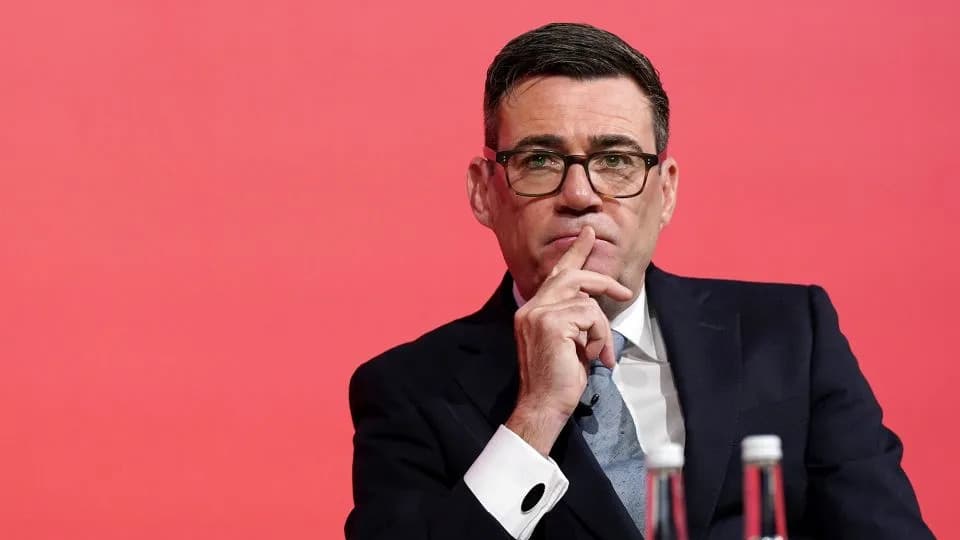
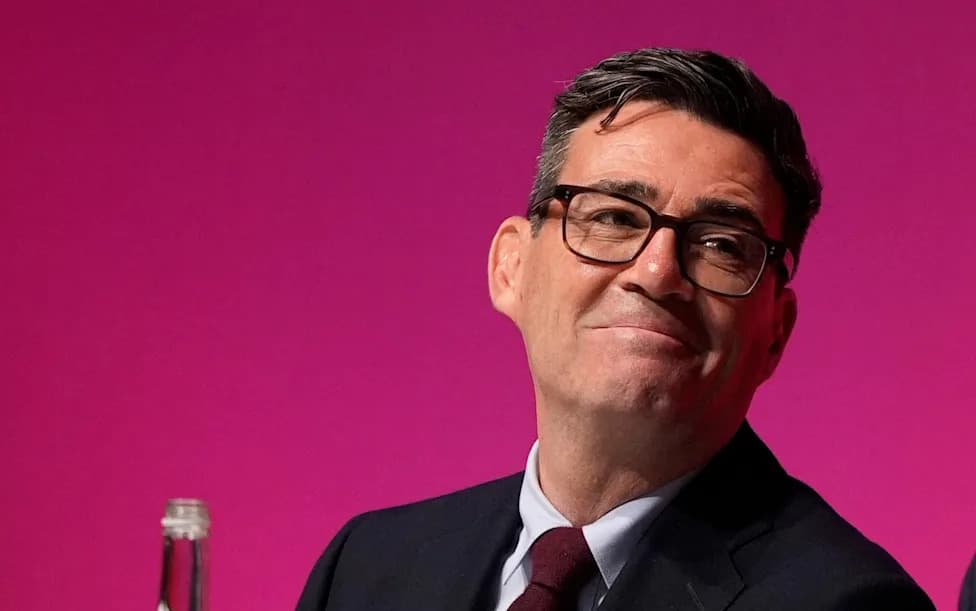
Key Point: Roughly 60,000 migrants recently crossed into Ceuta, and Channel crossings remain high, with one recent day seeing 752 arrivals. These events highlight pressure on public services and underline the urgent need for a coherent UK migration policy. Andy Burnham, who has given the issue little public attention since taking office, reappointed Shabana Mahmood as Home Secretary and now faces pressure to present a clear, practical plan to curb trafficking, speed asylum decisions, and strengthen international cooperation.
Burnham Must Confront the Immigration Challenge After Ceuta Mass Crossing
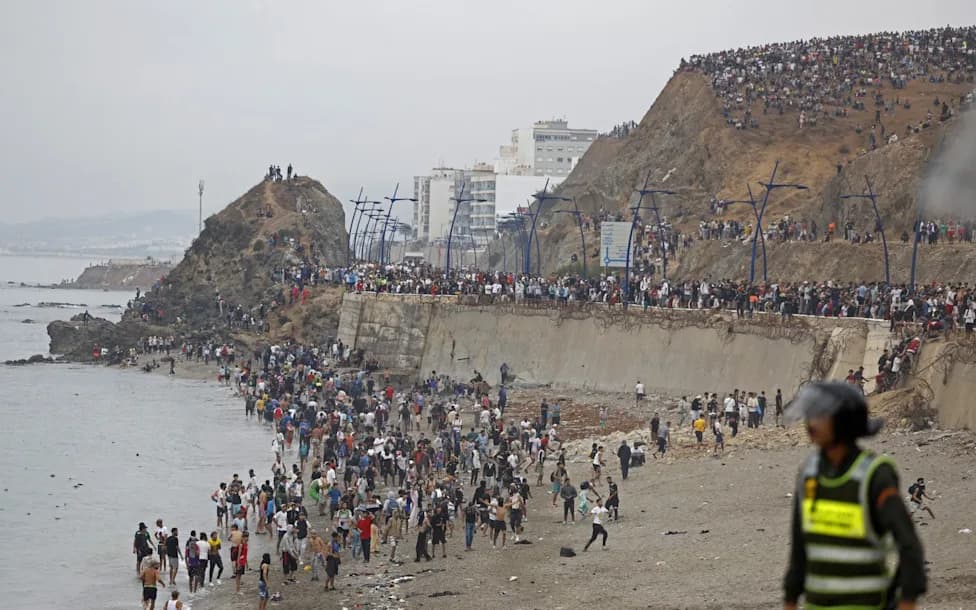
The Morocco-Spain border in north Africa following the mass crossings - ABDEL MAJID BZIOUAT/AFP or licensors
Immigration is shaping up to be a defining test for Andy Burnham. Recent events at the Spanish border — where roughly 60,000 migrants crossed from Morocco into the Spanish enclave of Ceuta in a single episode — show the scale and immediacy of the problem and underline that it cannot be ignored.
Most of those people were returned to Morocco within 24 hours. Yet Spain’s current amnesty for undocumented migrants, together with a Spanish court ruling that makes deportation of those arriving by sea more difficult, raises the prospect of further large movements and complicates regional cooperation on migration policy.
At the same time, Channel crossings to the UK remain significant. On one recent day, 752 migrants reached British shores in overloaded dinghies — the highest single-day total this year — contributing to roughly 200,000 people who have crossed since late 2018. These flows place strain on public services, contribute to political and social tension, and present complex operational challenges for border management and asylum systems.
Political Stakes and Policy Choices
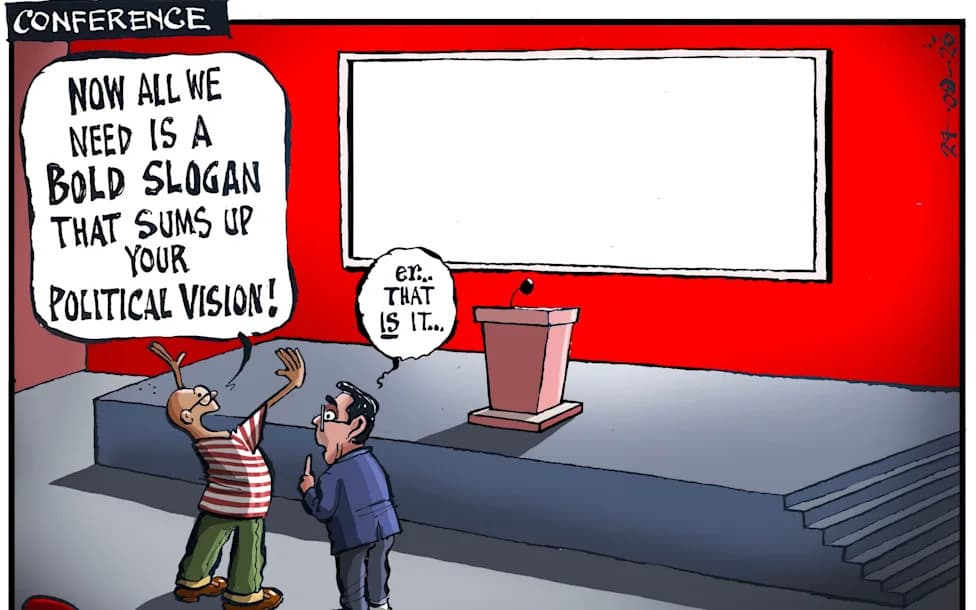
Mr Burnham has so far given relatively little public attention to immigration since taking office. That silence is politically risky: immigration is an issue that has affected Labour’s electoral fortunes this century and could fracture the coalition he hopes to build with voters drawn from Reform UK or put off those wary of the party’s left flank.
Key pressures: ruthless traffickers exploiting irregular routes; perceived generosity in welfare provision that critics say can draw secondary migration; and an asylum system that many agree needs faster, fairer processing.
Some on the Left argue for policies — such as rejoining the EU — that could further liberalise movement, while others emphasise human-rights protections that can constrain swift removals. Both positions complicate efforts to deliver a policy that is effective, humane and politically sustainable.
What He Must Do
Reappointing Shabana Mahmood as Home Secretary was an early move. Now Mr Burnham should set out a clear strategy that combines immediate operational steps with medium-term reform: stronger cross-border cooperation with EU and North African partners, tougher action against trafficking networks, expedited but fair asylum processes, and targeted domestic policies to ease pressures on public services.
Above all, he must engage the public with evidence-based proposals and explain how they protect both national security and the UK’s international obligations. Ignoring the issue or offering only partial answers risks both practical failure at the border and political fallout at home.
Help us improve.