Iraq and Turkey signed a one-year pact to boost crude flows through the Kirkuk–Ceyhan pipeline, guaranteeing at least 750,000 barrels per day while a wider cooperation framework is finalized. The deal aims to reduce Iraq’s reliance on Gulf routes after repeated Strait of Hormuz disruptions and would raise exports well above current levels (~200,000 bpd), though not to pre-crisis totals near 3.5 million bpd. The agreement follows Iraqi PM Ali al-Zaidi’s recent visit to Ankara and complements longer-term pipeline and energy cooperation plans.
Iraq and Turkey Agree One-Year Pact to Boost Oil Exports via Kirkuk–Ceyhan Pipeline
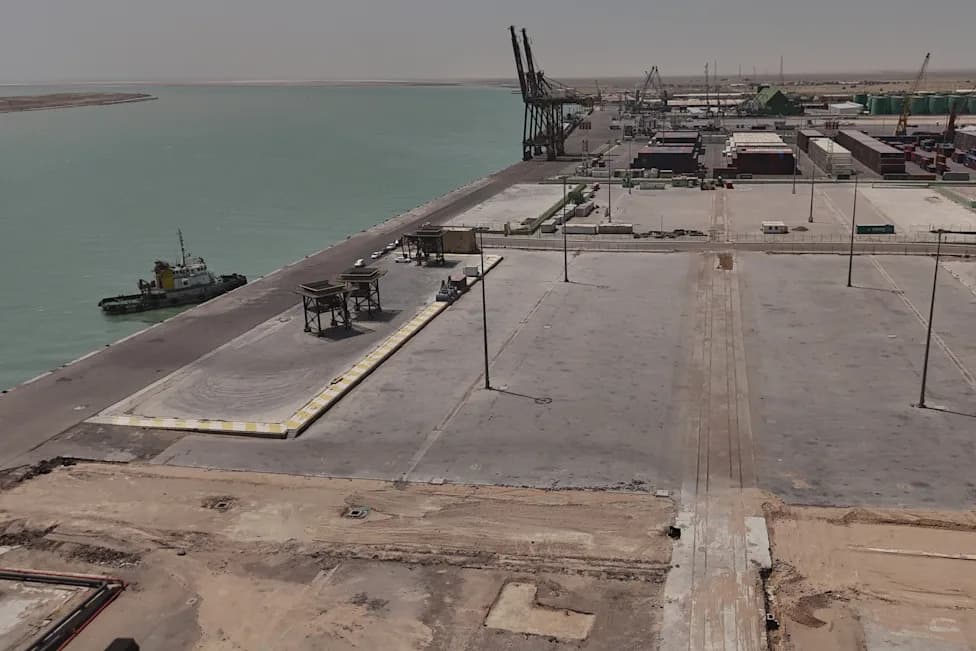
This aerial photo shows the port of Umm Qasr empty of commercial ships and cargo ships, near the city of Basra, 340 miles (550 kilometers) southeast of Baghdad, Iraq, Tuesday, July 28, 2026. (AP Photo/Ali Rahim)(AP Photo/Ali Rahim)
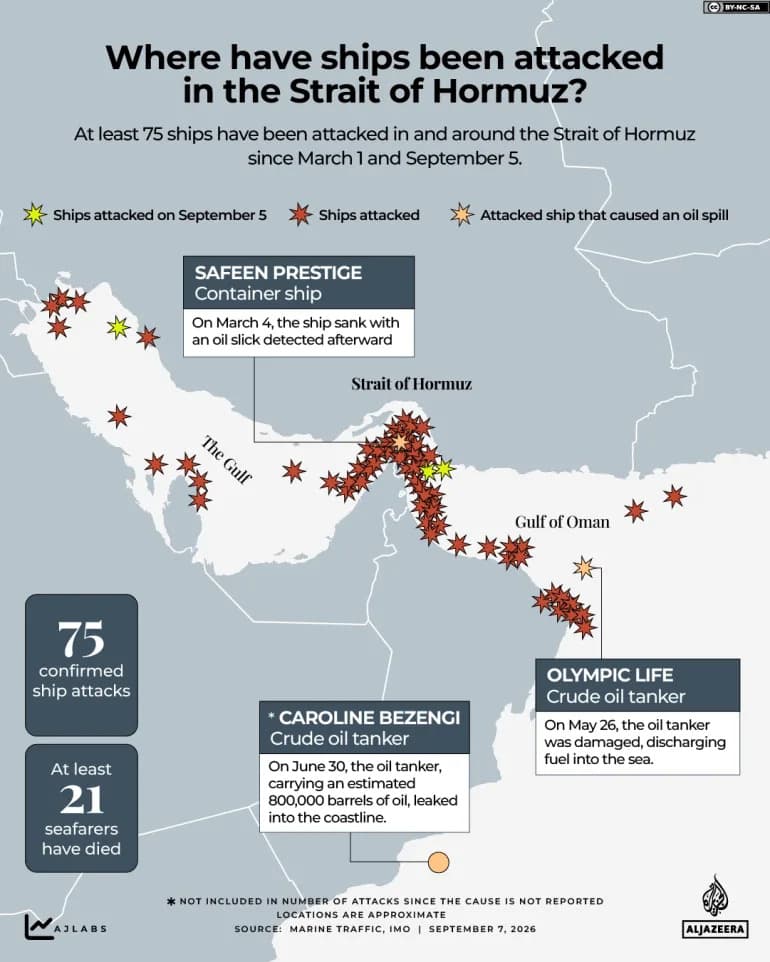
Baghdad and Ankara on Saturday signed a one-year agreement designed to increase Iraqi crude flows through the pipeline that reaches the Turkish Mediterranean port of Ceyhan. The short-term pact aims to broaden Iraq's export routes and reduce reliance on Gulf shipping lanes amid recent disruptions in the Strait of Hormuz.
Deal Terms and Context
Iraqi Oil Minister Bassem Mohammed Khudair al-Abadi said the accord will remain in force for one year while the two governments finalize a broader cooperation framework covering oil, electricity and water resources. The agreement guarantees a minimum export volume of 750,000 barrels per day through the Kirkuk–Ceyhan pipeline, which runs from Kirkuk in northern Iraq to Ceyhan on Turkey's Mediterranean coast.
The move comes as Baghdad seeks to strengthen the resilience of its export infrastructure after repeated disruptions to shipping through the Strait of Hormuz since February amid heightened U.S.–Iran tensions. Before those disruptions, Iraq’s total crude exports were roughly 3.5 million barrels per day, mostly shipped from southern terminals through the Gulf.
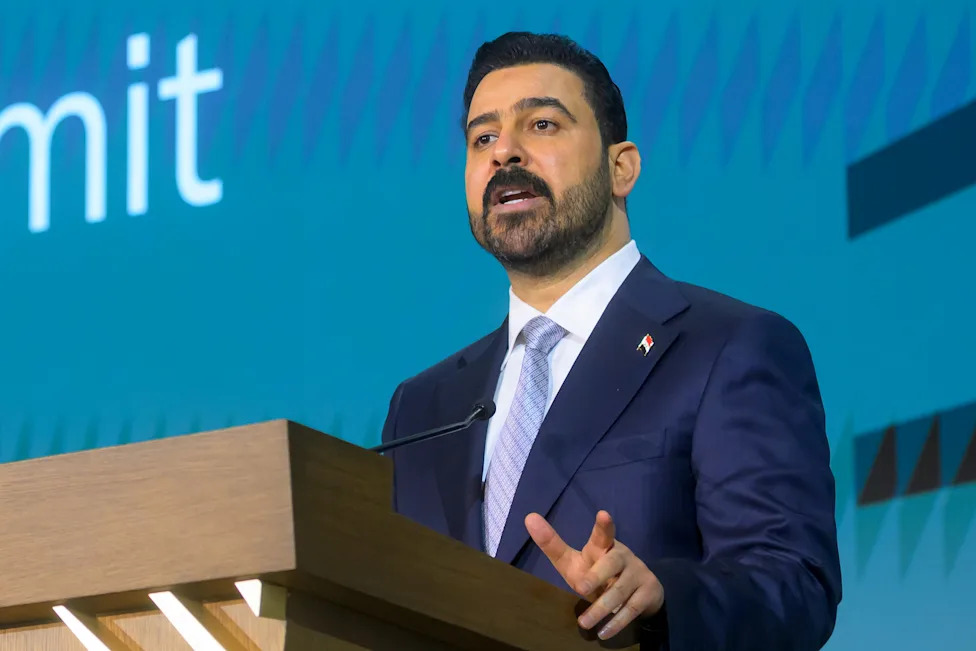
FILE - Iraqi Prime Minister Ali al-Zaidi speaks at the U.S. Iraq Business Summit at the U.S. Chamber of Commerce, Friday, July 17, 2026, in Washington. (AP Photo/Rod Lamkey, Jr., file)(AP Photo/Rod Lamkey)
Pipeline Background and Impact
The Kirkuk–Ceyhan line had been largely idle since 2023 after exports from Iraq’s semiautonomous Kurdish region were halted amid legal and commercial disputes; limited shipments resumed last year. Under the new agreement, planned flows through the Turkey route would significantly uplift volumes above current shipments of about 200,000 barrels per day, though they would not restore pre-crisis totals.
Prime Minister Ali al-Zaidi described the pact as “an important strategic milestone to ensure the uninterrupted flow of our oil exports and strengthen economic cooperation.” The signing followed al-Zaidi’s visit to Ankara for talks on security, trade, energy, transportation and water management, as well as joint infrastructure projects.
Longer-Term Projects
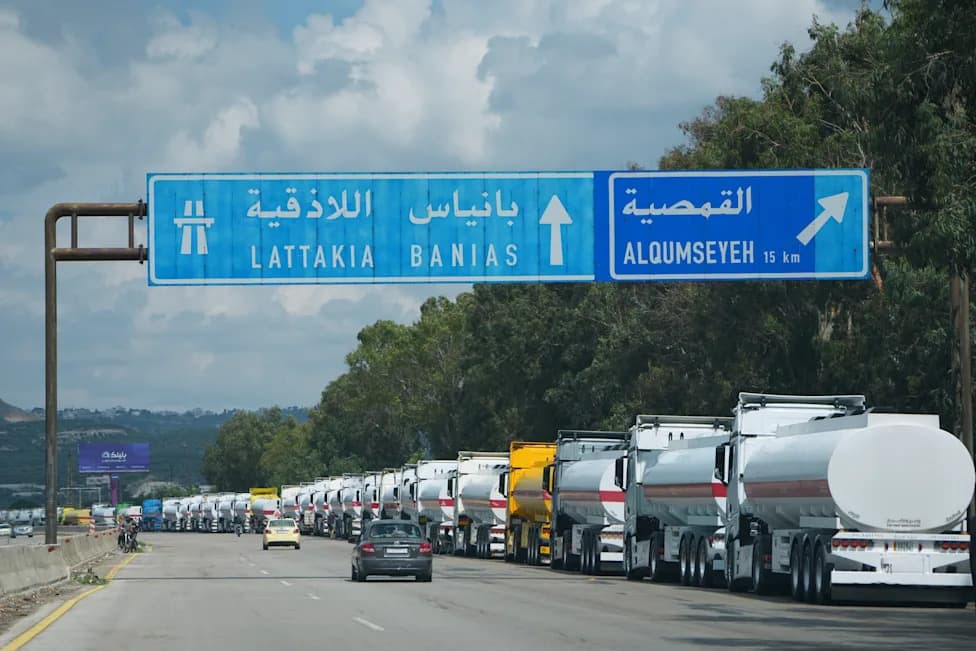
Officials are also exploring a new pipeline that would link southern Iraq’s Basra to western Iraq’s Haditha and onward to Turkey’s Ceyhan port and Syria’s Baniyas port—an initiative that, if realized, could provide an additional southern route to Mediterranean export outlets.
Iraq depends heavily on oil revenues, which make up the vast majority of government income, making secure and diversified export routes a core economic priority.
Help us improve.