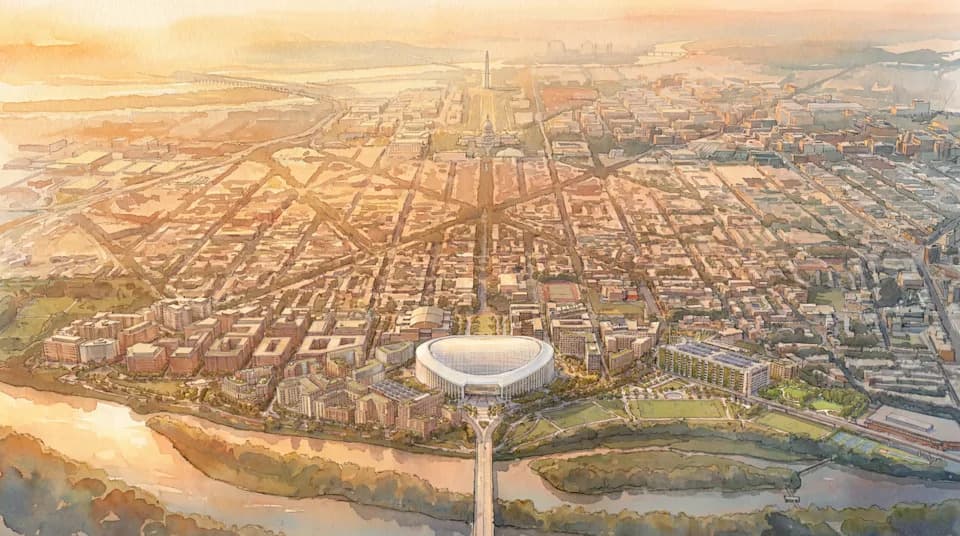
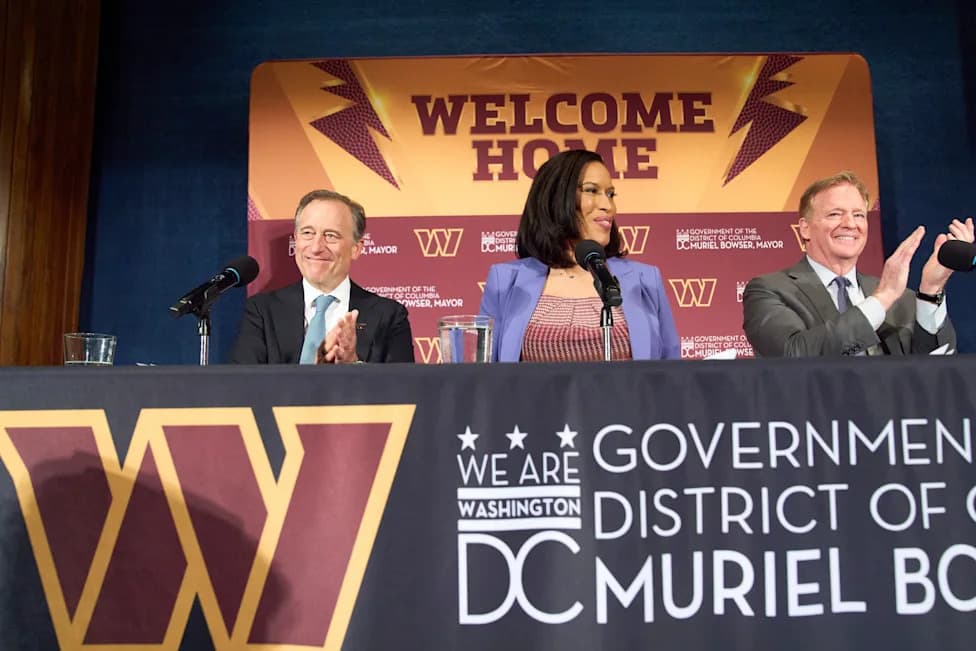
The District and the Washington Commanders are advancing a plan to replace RFK Stadium with a $2.7 billion, privately financed stadium and a mixed-use, 180-acre campus. The proposal includes 5,500–6,500 new homes (at least 30% affordable), six distinct districts, improved river access and major infrastructure funded in part by the city. Supporters highlight job creation and long-term revitalization of an underserved waterfront; critics object to a $1-per-year land lease and worry housing commitments lack enforceable deadlines.
RFK Redevelopment: Commanders’ $2.7B Stadium and a Contested Plan to Rebuild an Underserved Waterfront
AP
Partisanship is nothing new in Washington, D.C., but for decades one place on the eastern edge of Capitol Hill united fans across the political divide: Robert F. Kennedy Memorial Stadium. Now the long-vacant site is at the center of a high-stakes redevelopment that would return an NFL team to the city and remake 180 acres along the Anacostia River.
From Stadium Memories to a New Vision
The original RFK Stadium, which opened in 1961, hosted the Washington Redskins (now the Washington Commanders), the Washington Senators, D.C. United, the Washington Nationals and other teams. The franchise built a storied history — including 32 Pro Football Hall of Famers and three Super Bowl championships — but younger fans never experienced RFK’s famed game-day atmosphere. Today the site is being cleared to make way for a completely reimagined, multiuse campus.
Project Overview and Timeline
The Commanders will privately finance a proposed $2.7 billion stadium, while the District has pledged about $1.1 billion for roads and other infrastructure. Demolition began in 2023 and the site’s steel was removed by May of this year. The team and city expect the new stadium and campus to be completed by about 2030, with the Commanders playing in suburban Maryland until construction is finished.
What the Plan Proposes
The RFK Campus Master Plan divides the site into six districts and envisions parks, retail, entertainment, recreation and new housing. The proposal calls for 5,500–6,500 new homes, at least 30% of which would be affordable to low-income residents. The plan also includes a new roadway system, commercial parcels and improved public access to the river and nearby heritage islands.
Economic Promise and Operational Details
Planners estimate the redevelopment could create roughly 30,000 construction jobs and about 2,000 permanent jobs, generate approximately $24.2 billion in total economic output and return an estimated $5.1 billion in taxes to the District. Team president Mark Clouse said the stadium will be designed for frequent year-round use — potentially 200 nights a year — and the team has opted to add a roof to increase operational days and full-time employment for stadium staff.
Public Process and Local Response
The District government has been closely involved: Mayor Muriel Bowser and the D.C. Office of Planning released the draft campus plan and solicited public comment, receiving thousands of responses. The U.S. Senate also moved to grant the Commanders title to the 180-acre tract in what The New York Times described as a "shocking unanimous vote."
Opposition and Key Concerns
Despite wide engagement, opposition groups have mobilized. Critics question the lease terms — the team would pay about $1 per year for the city land — and worry the developer can delay promised housing without meaningful penalties. Advocacy organizations such as No Billionaires Playground and Homes Not Stadiums argue the waterfront land should prioritize affordable housing and community needs. Some local surveys indicate a majority of nearby residents prefer alternatives to a stadium.
“There is no target deadline for the housing with any kind of teeth in it,” said Nick Sementelli of No Billionaires Playground, expressing concern that the team could hold the land while delaying residential development.
Next Steps
Officials expect an official groundbreaking next spring as infrastructure work continues this year. Meanwhile, opponents are pursuing a ballot initiative to limit future mayoral sports deals involving public land and tax resources. The District and Commanders officials say they will continue community outreach and refine the plan to ensure it delivers long-term benefits.
Reporting: The article is based on reporting by Lauren Boyer, a RealClearPolitics intern, public statements from team and city officials, and comments from community groups and advocates.
Help us improve.