A Sri Lankan High Court has sentenced former Police Chief Pujith Jayasundara and former Defence Ministry Secretary Hemasiri Fernando to death after finding them guilty of criminal negligence in connection with the 2019 Easter Sunday bombings that killed at least 260 people.
Verdict and Appeal
The three-member High Court bench issued the ruling in a 2-1 decision at a special fast-track court on Friday. The convictions follow a state appeal that overturned a 2022 acquittal. Chaminda Athukorale, the defense lawyer for the two men, said they will file an appeal within two weeks.
"The dissenting judgment explains why the two accused had no motive to kill and no links with the actual perpetrators of the bombings," Athukorale told the AFP news agency.
Allegations of Intelligence Failures
Prosecutors and investigative bodies have pointed to failures by police and intelligence agencies to act on repeated warnings before the attacks. The court heard that an Indian intelligence agency alerted Sri Lankan authorities on April 4, 2019, about a possible suicide attack, but that the warning was not followed up with effective preventive measures.
Attack Details and Ongoing Cases
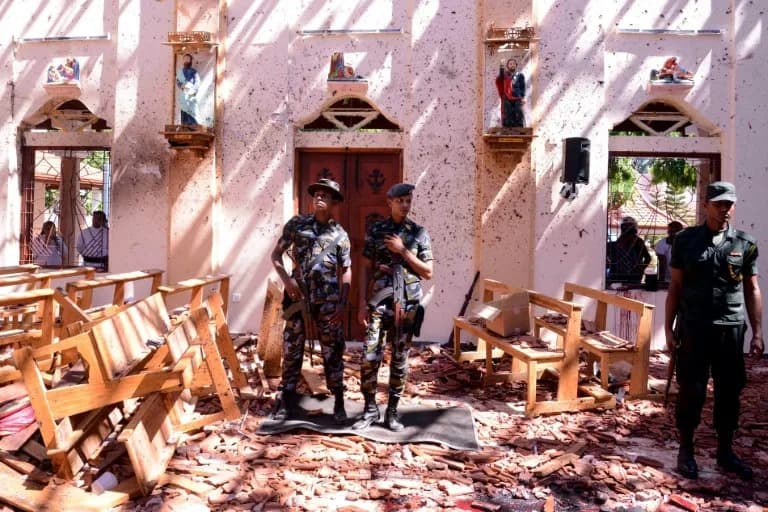
The coordinated suicide bombings struck three tourist hotels and three churches (two Catholic and one Protestant). Two Sri Lanka–based ISIL‑inspired groups have been blamed for the attacks. Many of those believed to have carried out the bombings are dead; separate criminal trials continue for others alleged to be connected to the perpetrators.
In civil proceedings, Fernando and Jayasundara were previously ordered to pay 125 million rupees (about $372,000) in compensation to survivors.
Death Penalty Context
Although the court imposed death sentences, Sri Lanka has maintained a moratorium on executions since 1976, and death sentences are typically commuted to life imprisonment. President Anura Kumara Dissanayake has publicly supported keeping the moratorium in place. Government figures presented to parliament in February indicate roughly 800 people remain on death row, most of whose sentences are later reduced to life terms.
What Happens Next
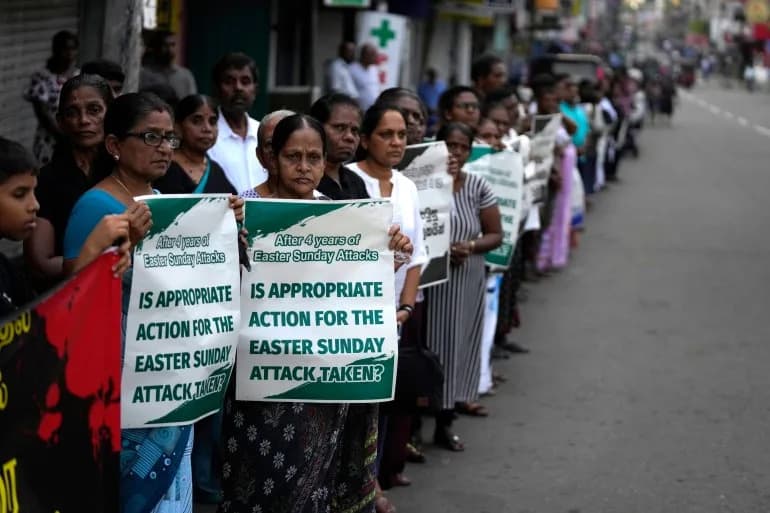
The defense has signaled an appeal, which will prolong legal proceedings. The case — and the larger debate about accountability, intelligence failures and whether broader conspiracies were involved — remains a central and sensitive issue in Sri Lanka's efforts to reckon with the 2019 attacks.