Tel Aviv's congestion-pricing plan is scheduled for 2028 despite opposition from the Transportation Minister. Electra Ltd. will build and operate the system, while Partner Group will supply communications for 220 entry gates. Charges will vary by time and zone, capped at NIS 37.50 per day, and are projected to raise NIS 1.4 billion annually, with NIS 700 million allocated to public transport.
Tel Aviv Congestion Charge Poised for 2028 Launch Despite Transport Minister's Opposition
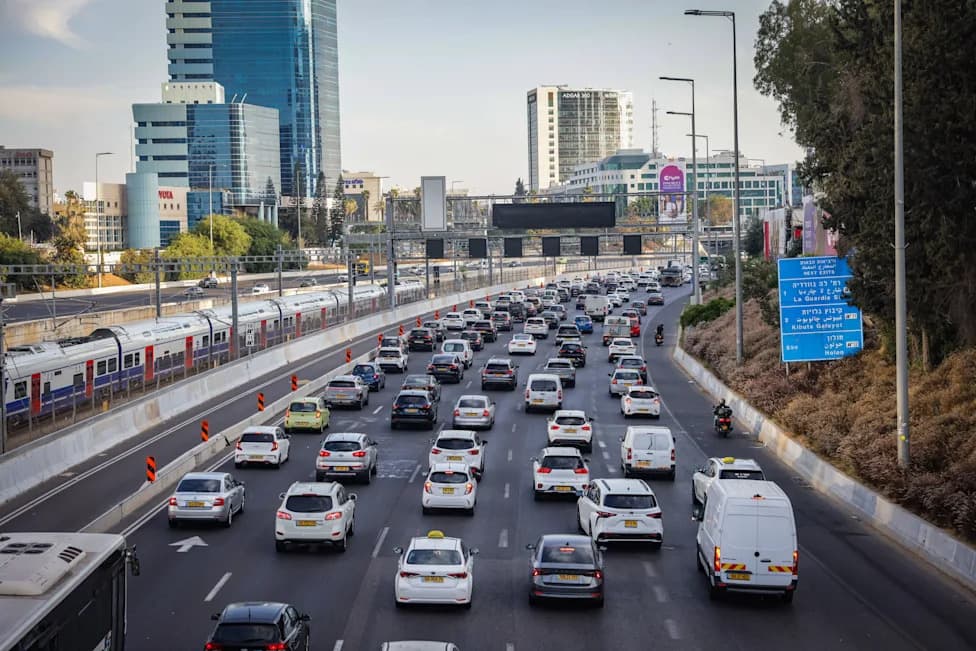
Traffic congestion on the Ayalon Highway in Tel Aviv following a protest against the jailing of yeshiva students who failed to comply with an army recruitment order, June 11, 2026. (photo credit: MIRIAM ALSTER/FLASH90)
The congestion-pricing scheme for the Greater Tel Aviv metropolitan area is moving ahead toward a projected 2028 launch, despite ongoing opposition from Transportation Minister Miri Regev. The plan has already been approved by the Knesset and the government and key contracts are being finalised.
Who Won the Contracts
Electra Ltd. secured the main concession to design, build, operate and maintain the full system after an interministerial tender. Partner Group was selected by Electra to provide the communications infrastructure that will connect the system’s 220 entry gates.
How the System Will Work
The metropolitan area will be divided into three concentric rings around central Tel Aviv (outer, middle and inner). Charges will be time- and location-based: during the morning peak (6:30 a.m.–10:00 a.m.) drivers will pay NIS 10 for each ring crossed. Afternoon peak rates (3:00 p.m.–7:00 p.m.) are lower: NIS 2.50 for the outer ring and NIS 5 for the middle and inner rings. Daily charges are capped at NIS 37.50 per vehicle.
Taxis will pay 50% of the standard fee but will not be subject to the daily cap. Heavy trucks will be charged double the standard rate. Motorcycles and vehicles displaying disabled-parking permits are fully exempt.
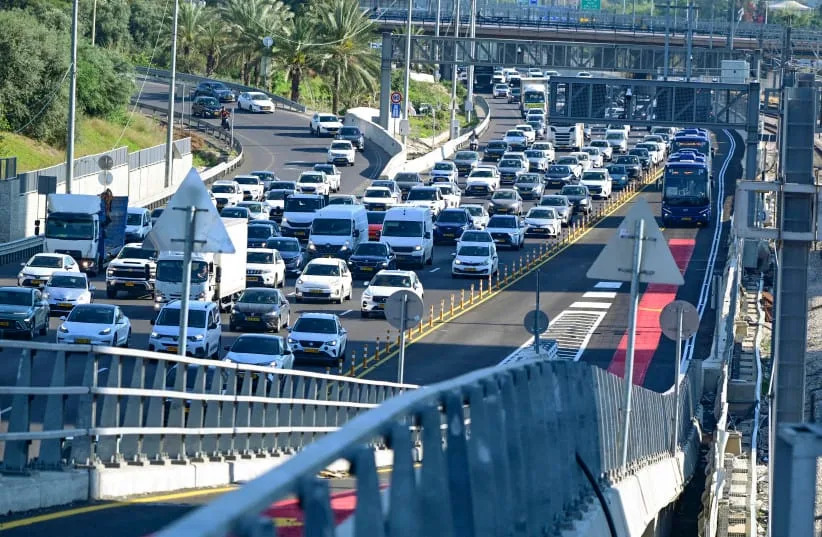
Traffic on the Ayalon Highway in Tel Aviv near a newly opened section of the fast lane, April 12, 2026. (credit: AVSHALOM SASSONI/FLASH90)
Technology, Revenue and Timetable
The system will collect vehicle-identification data at 220 entry gates, cross-reference it with existing databases and apply fees according to location and time. Partner will provide a fast, secure and resilient communications network designed to operate 24/7 for at least two decades and is expected to earn tens of millions of shekels over the operating period.
Officials estimate the congestion charge will generate roughly NIS 1.4 billion annually. About NIS 700 million is earmarked to expand and improve public transport; the remainder is expected to help finance the Metro project, a major rail build-out currently projected to cost more than NIS 175 billion. Electra is expected to receive about NIS 400 million to establish the system and an estimated additional NIS 850 million over the concession period for operations and maintenance.
Politics and Timing
Implementation was delayed after the Transportation Ministry postponed publication of the required tenders; the Finance Ministry later issued them. The final decision on the official launch date rests with the next government. Officials say the start could be pushed to late 2028 to coincide with planned openings of the Purple Line and the first phase of the Green Line light-rail links.
"We are proud to take part in a national project of strategic importance to the Israeli economy," said Avi Dvora, Partner's vice president of business. "We bring professional knowledge and experience accumulated over many years of operating critical communications systems, alongside our commitment to operational excellence."
While transport experts point to successful congestion-pricing results in Singapore, London and New York, the plan remains unpopular with segments of the public. Proponents argue the charges will reduce traffic, improve air quality and fund urgently needed public-transport upgrades.
Help us improve.