Messor odrysarum, a newly described ant from Bulgaria's Eastern Rhodopes, may help resolve taxonomic puzzles in the genus Messor, where visually similar ants can be genetically distinct. Described by an international team led by Albena Lapeva-Gjonova and Lech Borowiec, the species was found in oak forests, grasslands and along dirt tracks. Its discovery raises Bulgaria's Messor count to nine and could shed light on rare reproductive systems such as xenoparity. Researchers are continuing surveys to map its range and study its behaviour.
New Bulgarian Ant, Messor odrysarum, Could Unlock Mystery of Europe's Cryptic Ants
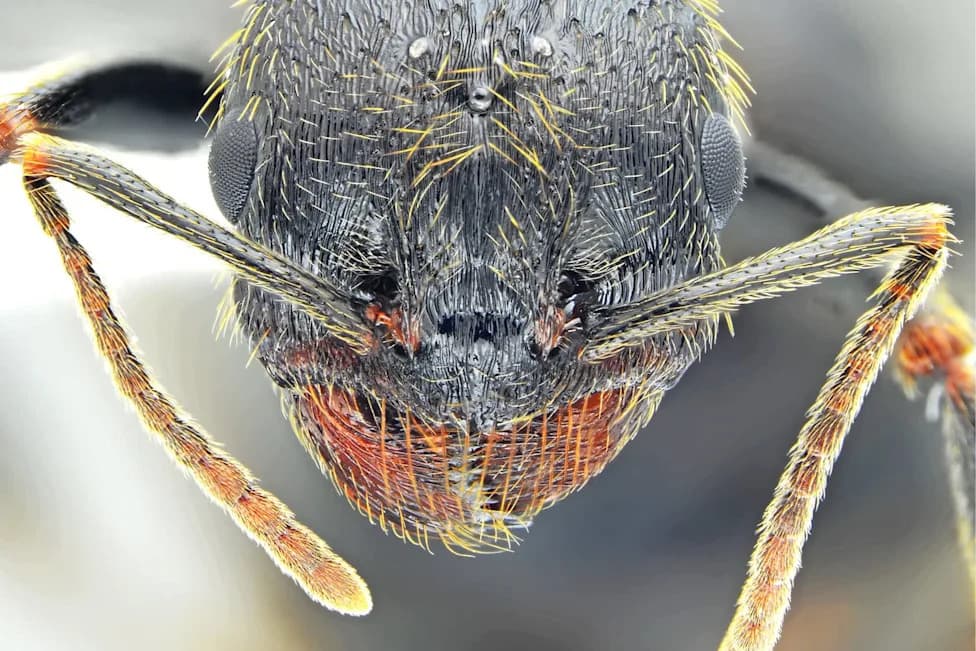
Photo Credit: Facebook
A newly described ant from Bulgaria may provide key insights into one of Europe's most puzzling insect groups. Researchers say the species could help clarify relationships in the genus Messor, a group in which outwardly similar ants often belong to very different genetic lineages.
Discovery and Description
The species Messor odrysarum was identified and formally described by an international team led by Albena Lapeva-Gjonova (Sofia University) and Lech Borowiec (University of Wrocław). The discovery, reported by FOX Weather, was based on field surveys in the Eastern Rhodopes of Bulgaria.
Why This Matters
Messor ants are known for two challenging features: subtle morphological differences between species and unusual reproductive systems. Taxonomists face considerable cryptic diversity in this genus—ants that look nearly identical can be genetically distinct. Some Messor queens also reproduce through xenoparity, a rare process in which offspring may be produced using genetic material from another species.
Habitat and Behaviour
So far, Messor odrysarum has been recorded in oak forests, open grasslands and along dirt tracks in the Eastern Rhodopes. At reported sites, nests open at ground level and seed husks found nearby in late summer suggest seed-based feeding habits typical of many Messor species. The addition of this species raises Bulgaria's recognized Messor total to nine.
Historical and Scientific Context
The species name references the ancient Thracian state of Odrysia—Odrysarum—because the discovery site lies within its former territory. Detailed fieldwork and taxonomic comparisons across borders will help determine whether similar-looking ants elsewhere represent the same species or distinct genetic lineages.
Why researchers care: Each newly described species is a piece of a larger evolutionary puzzle. Clarifying species boundaries in Messor will improve our understanding of how cryptic diversity and unusual reproductive strategies evolved, and it will inform conservation priorities by revealing previously hidden biodiversity.
Ongoing work includes broader surveys to map the species' distribution, genetic analyses to place it within the Messor phylogeny, and behavioral studies to document feeding and reproductive habits.
Help us improve.