Overview: Liberia is grappling with a growing kush epidemic that is drawing young people from school into addiction while international trafficking networks use the country as a transit route. Between Sept 2025 and 22 June 2026 the LDEA arrested 1,167 people but courts recorded only eight convictions, highlighting gaps in the criminal justice response. Major seizures — 237.6 kg of cocaine at Roberts International Airport and nearly four tonnes in Duazon — exposed large-scale organised trafficking. Communities report limited rehabilitation services and fear that enforcement targets users more than the networks importing drugs.
Liberia’s Kush Crisis: Hidden Drug Trade Fuels Youth Addiction and Major Cocaine Routes
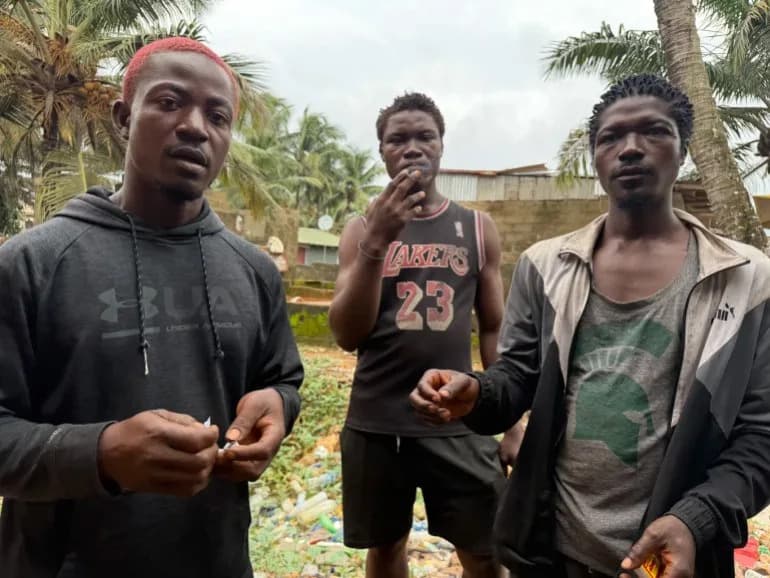
Abraham Jackson, 26, far right, sits with other kush users at a drug den in Monrovia. Users are known locally as zogos [Lennart Dodoo/Al Jazeera]
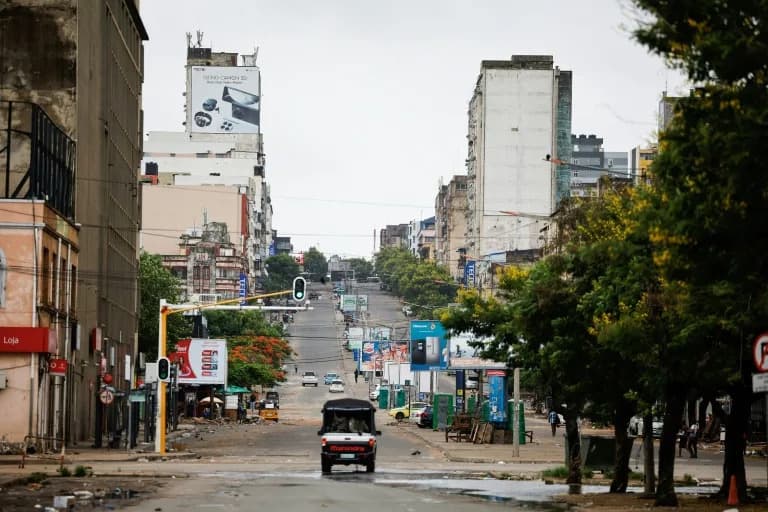
Monrovia, Liberia — On the streets of the capital, the human cost of what locals call the kush crisis is increasingly visible. Young people cluster in neighbourhoods where families say addiction has pulled children out of school, fractured households and driven some onto the streets. Kush, a low-cost and highly addictive synthetic street drug, has spread across parts of West Africa and become one of Liberia's most urgent social problems.
A Generation at Risk
First reported in neighbouring Sierra Leone, kush has moved into Liberia, where parents describe watching teenagers and young adults slide into dependence and struggle to rebuild normal lives. For many families the crisis is not an abstract statistic but a daily reality.
Miata Paye said her son first used kush while in 10th grade in 2018. She paid for rehabilitation twice — about $80 and a 25kg (55-pound) bag of rice each time — resources the family could scarcely spare. Each time he left treatment, he returned to the roadside and the cycle continued.
'This thing is killing our children,' she said. 'My heart is bleeding.'
Some users, locally known as zogos, have dropped out of school and taken up life on the streets. Abraham Jackson, now 26, says he began smoking kush at 16 and never completed 10th grade. After his mother died, he was effectively abandoned by his father and fell deeper into addiction — an example of how substance misuse can compound poverty, family breakdown and homelessness.
Limited Treatment Options
Treatment infrastructure remains weak. The government's rehabilitation centre in Bentol City, about 30 km (19 miles) from Monrovia, is still unfinished, and many families rely on private facilities that health professionals warn may lack trained staff and oversight.
Evidence of a Larger Trafficking Network
While communities contend with kush on local streets, law enforcement has uncovered signs of much larger international trafficking networks using Liberia as a transit route. Documents obtained from the Liberia Drug Enforcement Agency (LDEA) show that between September 2025 and 22 June 2026 the agency arrested 1,167 people on alleged drug-trafficking charges — while courts recorded only eight convictions during the same period.
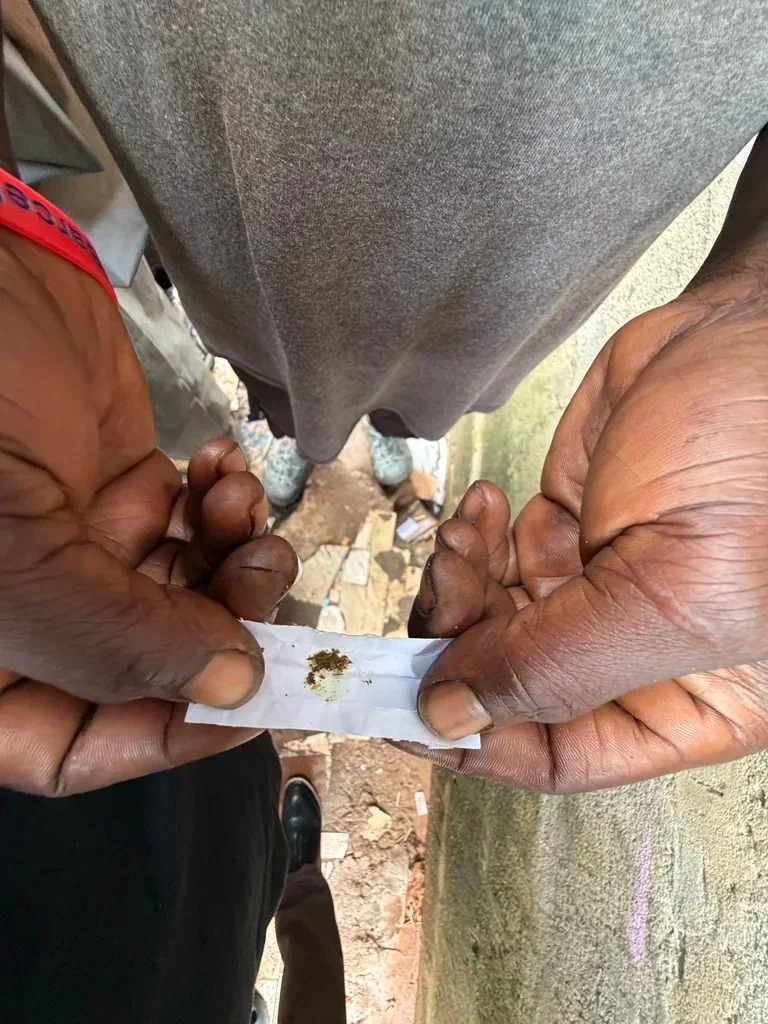
A wrap of kush, a synthetic drug [Lennart Dodoo/Al Jazeera]
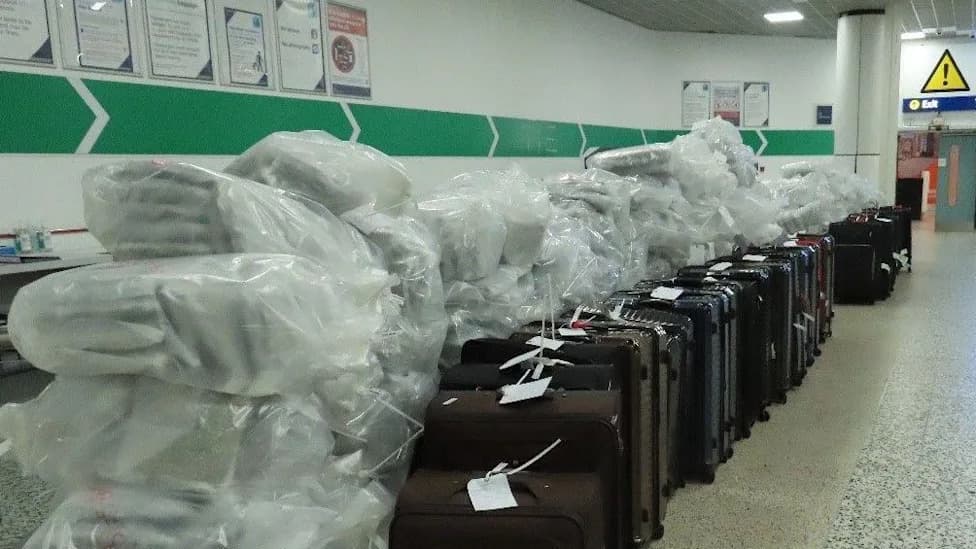
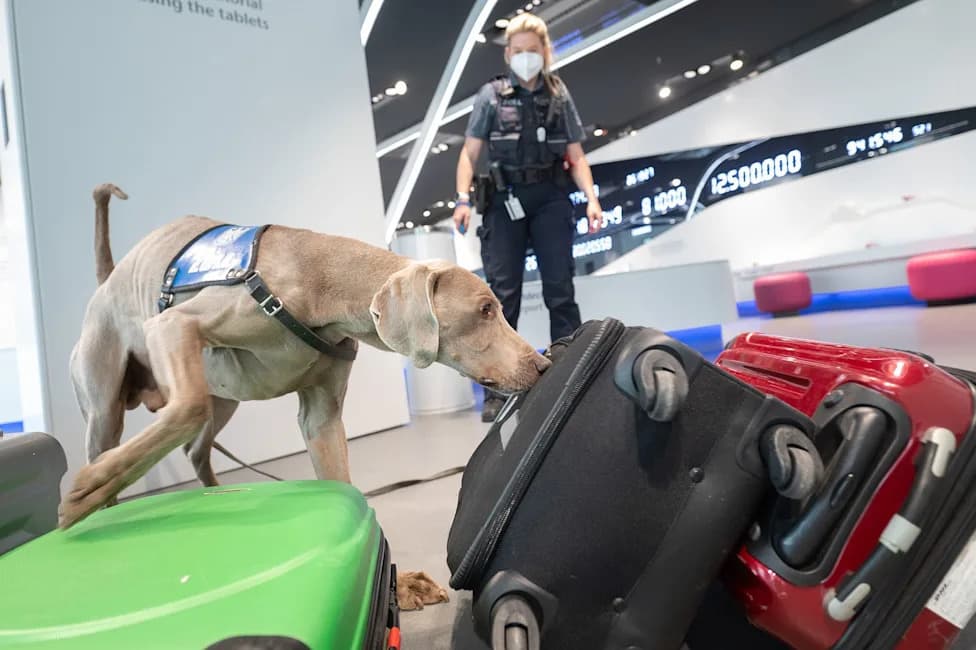
Two major cocaine seizures underscored the scale of organised trafficking. On 8 June security officers at Roberts International Airport opened six cargo boxes declared as food seasoning and textiles and found nearly 200 compressed blocks of cocaine weighing 237.6 kg (523.8 lb), with an estimated value of about $19.2 million. Weeks later, security forces recovered nearly four tonnes of cocaine from a warehouse in Duazon, Margibi County — described by police as the largest cocaine seizure in Liberia's history and valued at roughly $317 million.
Shifting Markets And Rapid Adaptation
LDEA figures show kush seizures more than doubled, from 80.15 kg in 2025 to 166.88 kg between September 2025 and 22 June 2026. About 38% of those arrested were foreign nationals, mainly from Ivory Coast, Guinea, Nigeria and Sierra Leone. After Liberia banned tramadol in August 2025, tramadol seizures fell but tapentadol seizures rose sharply — from 3.61 kg to 198.5 kg — demonstrating how traffickers quickly change supply in response to enforcement.
Investigators and researchers caution that the precise chemical makeup of kush in Liberia remains unclear. While the drug is spreading, further laboratory testing is needed to identify the synthetic mixtures involved. Research from other parts of West Africa indicates kush often contains unpredictable and dangerous combinations of synthetic substances.
Communities Under Strain
Local leaders have become essential intermediaries between residents and authorities, helping to identify drug hotspots and support responses. But cooperation carries risk: community members who assist law enforcement report that suspected dealers often return after raids and threaten those who helped. As one local leader put it, raids can provide only temporary relief when dealers simply come back and intimidate neighbours.
What Comes Next?
The government has pledged tougher enforcement, asset seizures, tighter border controls and expanded rehabilitation services. Families and community leaders remain concerned that enforcement so far appears to focus largely on users and low-level dealers rather than on the organised networks that import and move large shipments through Liberia.
For many affected families, the crisis is not just about drugs arriving in the country; it is about the young lives left behind. 'They are only after the users, not the ones bringing it in,' Paye said, reflecting a widespread fear that responses must reach higher into the trafficking chain to protect a generation at risk.
Help us improve.